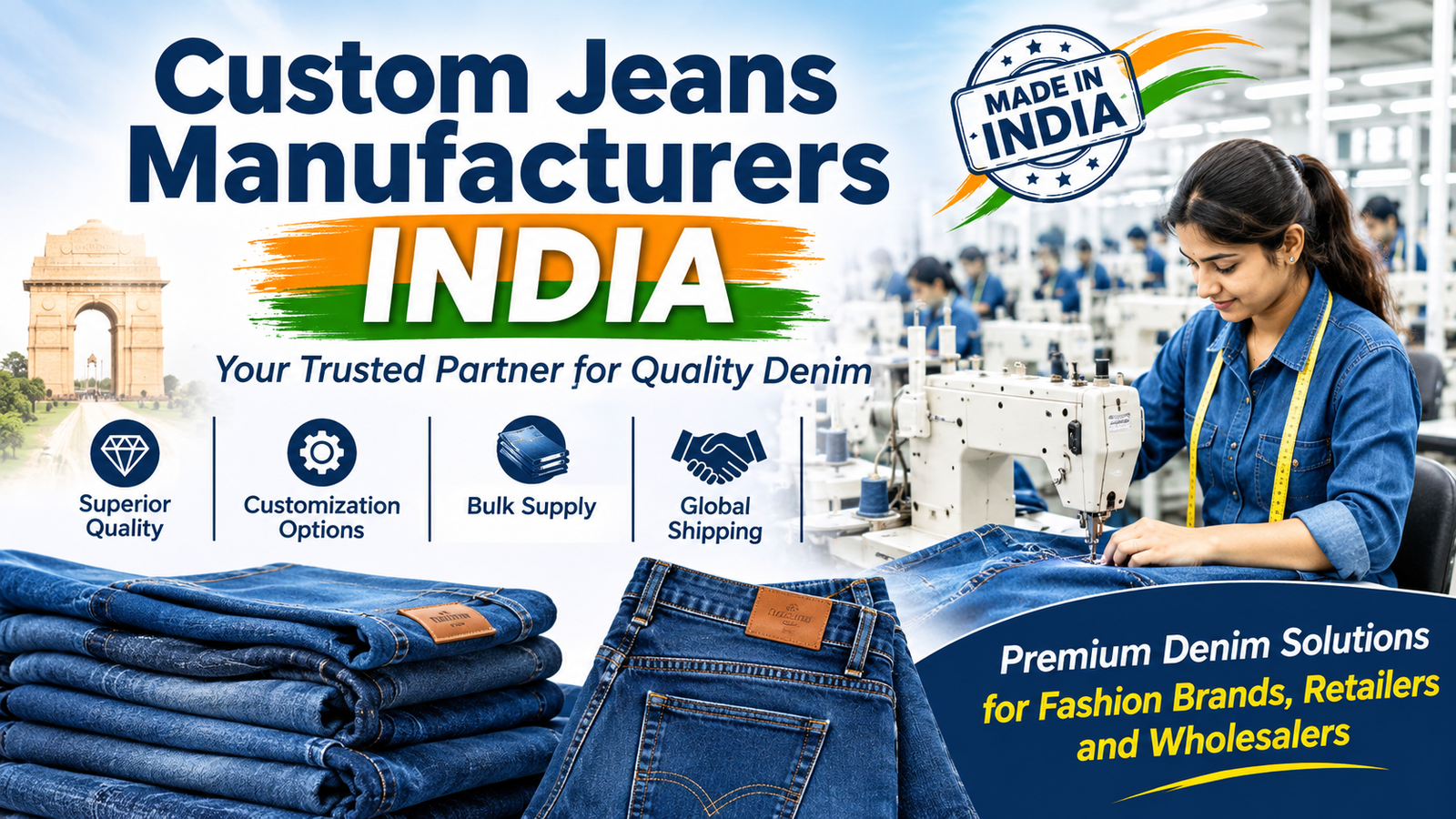
Custom Denim Jeans Manufacturers in India: A Complete Guide to Denim Sourcing, Wholesale and Private Label
India has become an important destination for denim production, garment manufacturing, wholesale apparel sourcing and international clothing exports. With an established textile ecosystem, skilled garment workers, fabric mills, modern manufacturing facilities and competitive production costs, the country offers a wide range of opportunities for fashion businesses.
Whether you're launching a new fashion label, expanding a clothing store, sourcing jeans for a retail chain or developing a private-label denim collection, finding reliable custom jeans manufacturers in India can help you build a sustainable and profitable clothing business.
The Indian denim industry supports many types of buyers, from small fashion startups and boutique owners to established international brands. Manufacturers can offer different services, including fabric sourcing, pattern development, sampling, washing, finishing, labeling, packaging and bulk production.
However, choosing the right denim partner requires more than comparing prices. Buyers need to consider manufacturing expertise, quality control, customization options, communication, minimum order quantities, production timelines and export capabilities.
This guide explains how to source denim products from India, understand the manufacturing process, evaluate suppliers and build a strong partnership with a jeans manufacturer.
Comprehensive Guide to Denim Manufacturing and Sourcing in India
India's apparel manufacturing industry includes denim fabric production, garment stitching, washing, finishing, embroidery, printing, packaging and export services. These interconnected capabilities help buyers develop denim products according to their brand requirements.
Why India Is a Leading Denim Manufacturing Hub
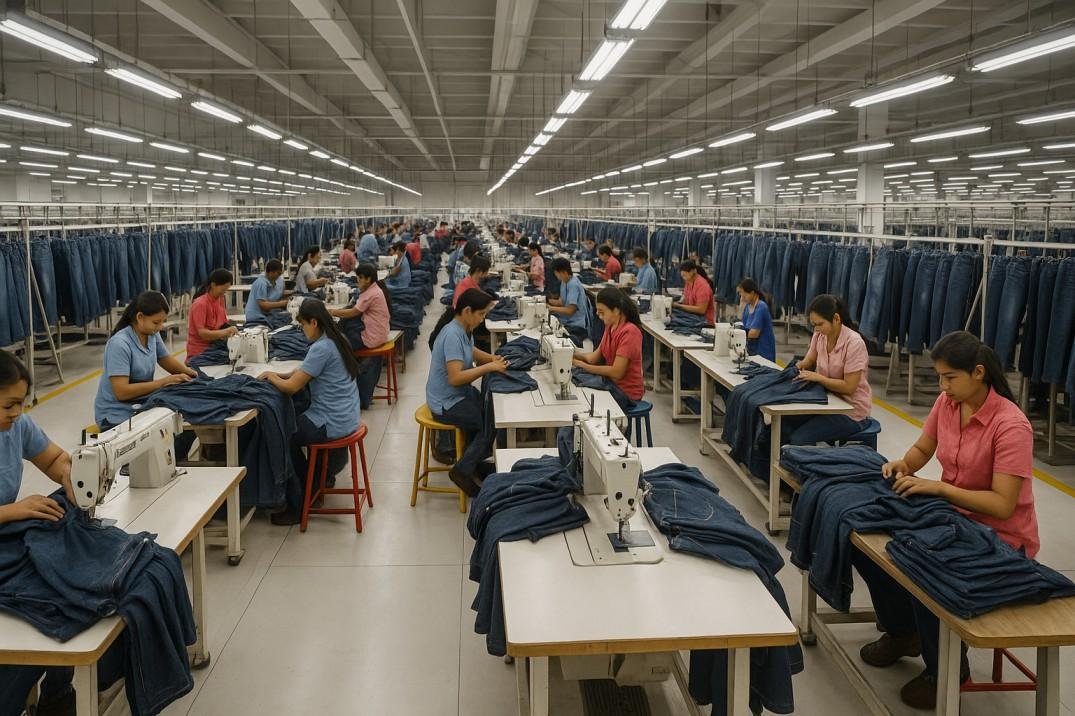
India offers several advantages to international clothing buyers and domestic retailers:
-
Skilled workforce: Experienced workers understand garment construction, denim stitching, finishing and quality inspection.
-
Competitive production: Buyers can explore different production options according to their budget and quantity.
-
Fabric sourcing: India's textile sector offers access to cotton, denim and blended fabrics.
-
Customization: Manufacturers can develop products with different cuts, washes, colors, trims and branding.
-
Export experience: Many manufacturers work with overseas buyers and international apparel requirements.
-
Product variety: Manufacturing capabilities may include jeans, jackets, shorts, skirts, shirts and other denim garments.
The combination of textile resources and garment production expertise makes India an attractive sourcing destination for businesses seeking long-term manufacturing partnerships.
Denim Factory India: Manufacturing Capabilities
A modern denim factory may handle several production stages, depending on its infrastructure and sourcing network.
|
Manufacturing Process
|
Description
|
|
Fabric sourcing
|
Selecting denim fabric based on weight, composition, color and texture
|
|
Pattern development
|
Creating garment patterns and sizing specifications
|
|
Cutting
|
Cutting fabric panels according to approved patterns
|
|
Stitching
|
Joining fabric panels using industrial sewing machines
|
|
Washing
|
Creating desired denim shades, textures and finishes
|
|
Finishing
|
Adding trims, buttons, rivets, labels and other details
|
|
Quality inspection
|
Checking measurements, stitching, fabric and finishing
|
|
Packaging
|
Folding, tagging, packing and preparing garments for shipment
|
A buyer should understand whether the factory performs these processes in-house or coordinates them through specialized partners. Both models can work, provided responsibilities, quality standards and timelines are clearly agreed upon.
Bulk Jeans Suppliers in India
Bulk jeans suppliers in India serve retailers, wholesalers, fashion brands, distributors, importers and online clothing businesses.
Bulk manufacturing is useful when businesses need consistent products across multiple sizes, colors and styles. It can also help reduce per-unit production costs when fabric and production planning are optimized.
Typical bulk denim orders may include:
Bulk buyers generally provide a product specification sheet, design reference, quantity, size breakdown, preferred fabric, wash details and delivery requirements.
Before placing a bulk order, buyers should request samples, confirm fabric specifications, review the sizing chart and agree on acceptable quality standards. These steps can help reduce production mistakes and improve confidence in the supplier.
Denim Wholesale Vendors in India
Denim wholesale vendors are valuable for buyers who need ready-made products or customized apparel in larger quantities.
Wholesale sourcing may offer different purchasing models:
-
Ready-stock wholesale: Buyers purchase available jeans designs, sizes and colors.
-
Made-to-order wholesale: Garments are produced according to an agreed design and quantity.
-
Private-label wholesale: Products are manufactured with the buyer's brand labels, packaging and design specifications.
-
Custom denim sourcing: Buyers develop unique styles using selected fabrics, washes, trims and garment details.
The best wholesale model depends on the business's budget, product strategy, target market and delivery requirements.
Denim Manufacturers in India for Private Label
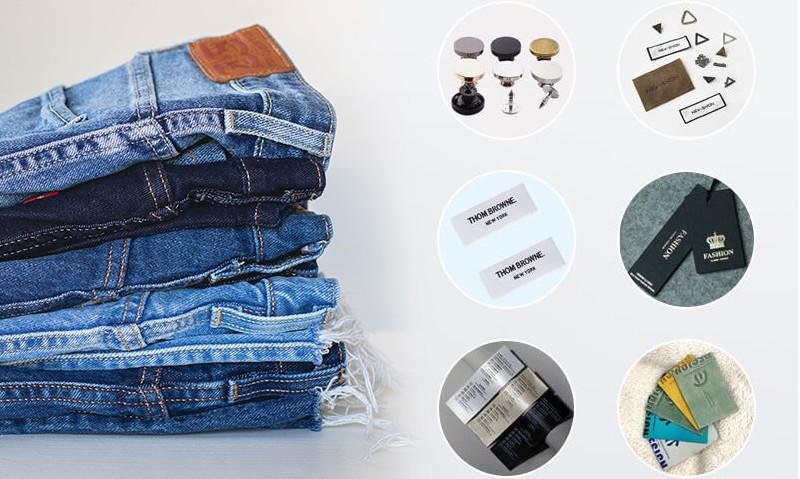
Private-label denim manufacturing allows businesses to sell jeans under their own brand name without establishing their own garment production facility.
A private-label manufacturer may provide services such as:
-
Custom denim design development
-
Fabric and wash selection
-
Pattern making
-
Sample production
-
Size grading
-
Brand labels and care labels
-
Custom buttons, rivets and patches
-
Packaging and hangtags
-
Bulk garment production
For new fashion brands, private-label manufacturing can simplify product development. Instead of managing multiple suppliers independently, brands can coordinate their requirements with an experienced manufacturing partner.
A detailed tech pack is particularly useful. It may include measurements, sketches, fabric specifications, stitch details, trims, wash references, branding placement, color details and packaging instructions.
The clearer the specifications, the easier it becomes for the manufacturer to understand the product and deliver consistent results.
Wholesale Jeans Suppliers in India for Domestic and International Buyers
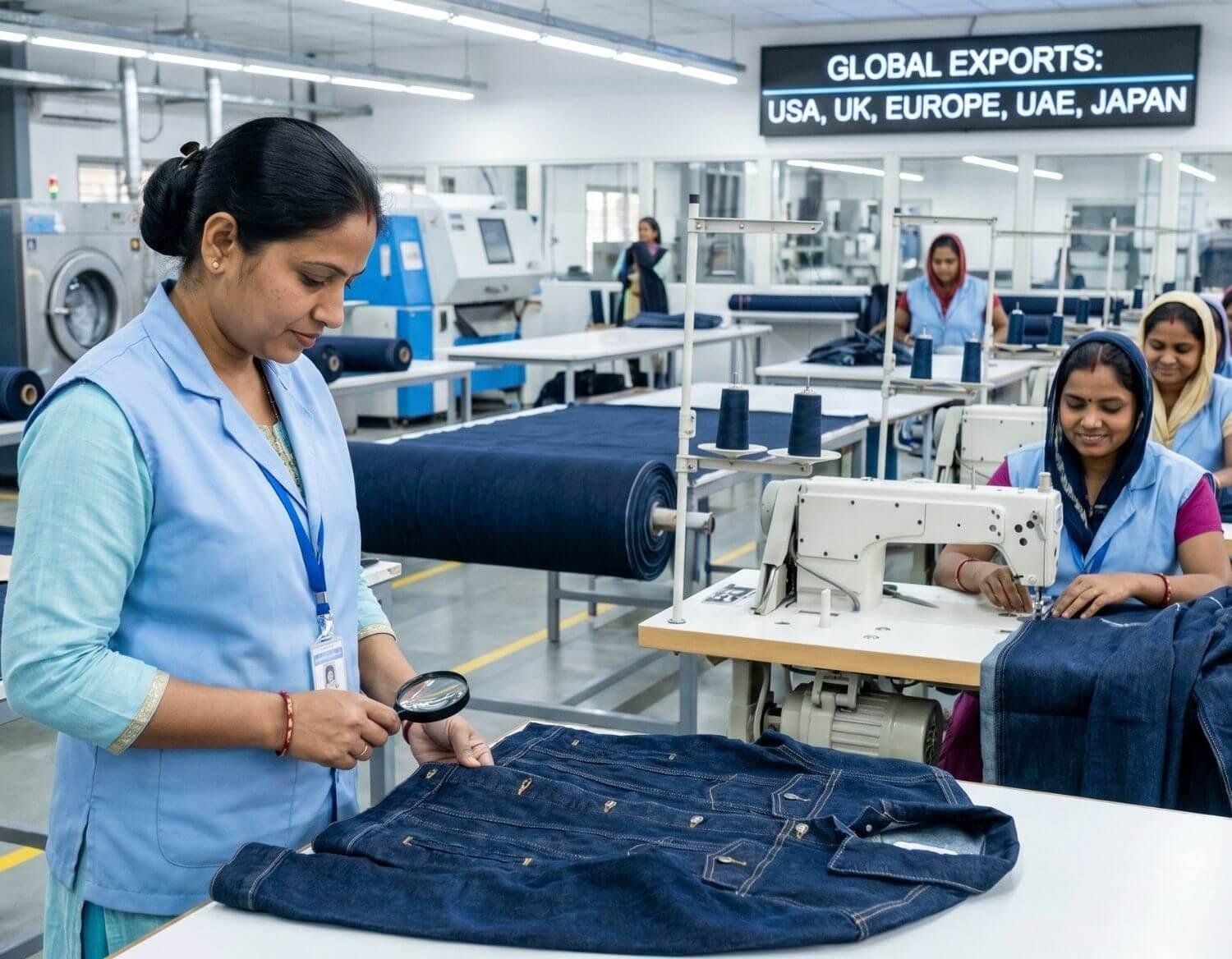
India's denim manufacturing ecosystem serves a wide range of domestic and international markets. Buyers can source jeans for boutiques, retail stores, ecommerce platforms, fashion labels, distributors and clothing chains.
The sourcing process depends on the buyer's business model. A small startup may focus on developing five carefully selected jeans styles, while a larger retailer may require hundreds or thousands of garments across multiple styles and size ranges.
Jeans Manufacturers in India: 7 Powerful Reasons to Choose Them
India offers several advantages to fashion businesses searching for dependable denim manufacturing partners.
1. Competitive Manufacturing Opportunities
Indian garment manufacturers can offer production options for businesses with different budgets. Fabric sourcing, garment construction, order quantities and finishing choices can influence production costs.
Buyers can discuss their budget and design requirements before selecting the most suitable manufacturing solution.
2. Custom Design Development
Custom manufacturing gives fashion brands more control over product design.
Buyers can select:
These details help brands create products that match their customer expectations.
3. Private-Label Branding
Private-label production allows businesses to develop jeans with their own brand identity.
Branding may include woven labels, printed labels, care labels, leather or fabric patches, hangtags, packaging and customized trims.
This helps retailers create a recognizable product range instead of selling generic garments.
4. Product Development Support
Experienced manufacturers may assist buyers with technical development, pattern corrections, sample adjustments, fabric selection and production planning.
This support is particularly valuable for brands that have creative ideas but need assistance converting designs into manufacturable garments.
5. Flexible Product Range
Manufacturers may develop a wide variety of denim garments within the same sourcing relationship.
|
Denim Category
|
Popular Styles
|
|
Men's jeans
|
Straight, slim, relaxed, tapered, baggy
|
|
Women's jeans
|
Skinny, flare, wide-leg, mom-fit, straight
|
|
Kids' jeans
|
Regular, stretch, casual, fashionable
|
|
Denim shorts
|
Regular, distressed, casual
|
|
Denim jackets
|
Classic, cropped, oversized
|
|
Denim skirts
|
Mini, midi, straight, A-line
|
This variety can help fashion brands develop coordinated collections.
6. Export and Shipping Support
Manufacturers experienced in international orders may assist with packing, documentation coordination, shipping arrangements and communication about delivery timelines.
However, buyers should confirm export documentation, shipping terms, customs responsibilities, insurance and payment arrangements before production begins.
7. Long-Term Manufacturing Partnerships
A dependable manufacturer can become an important part of a fashion business's growth strategy.
Consistent communication, realistic timelines, quality control, transparent costing and repeat production capabilities help build long-term working relationships.
Types of Denim Products Available from Indian Manufacturers
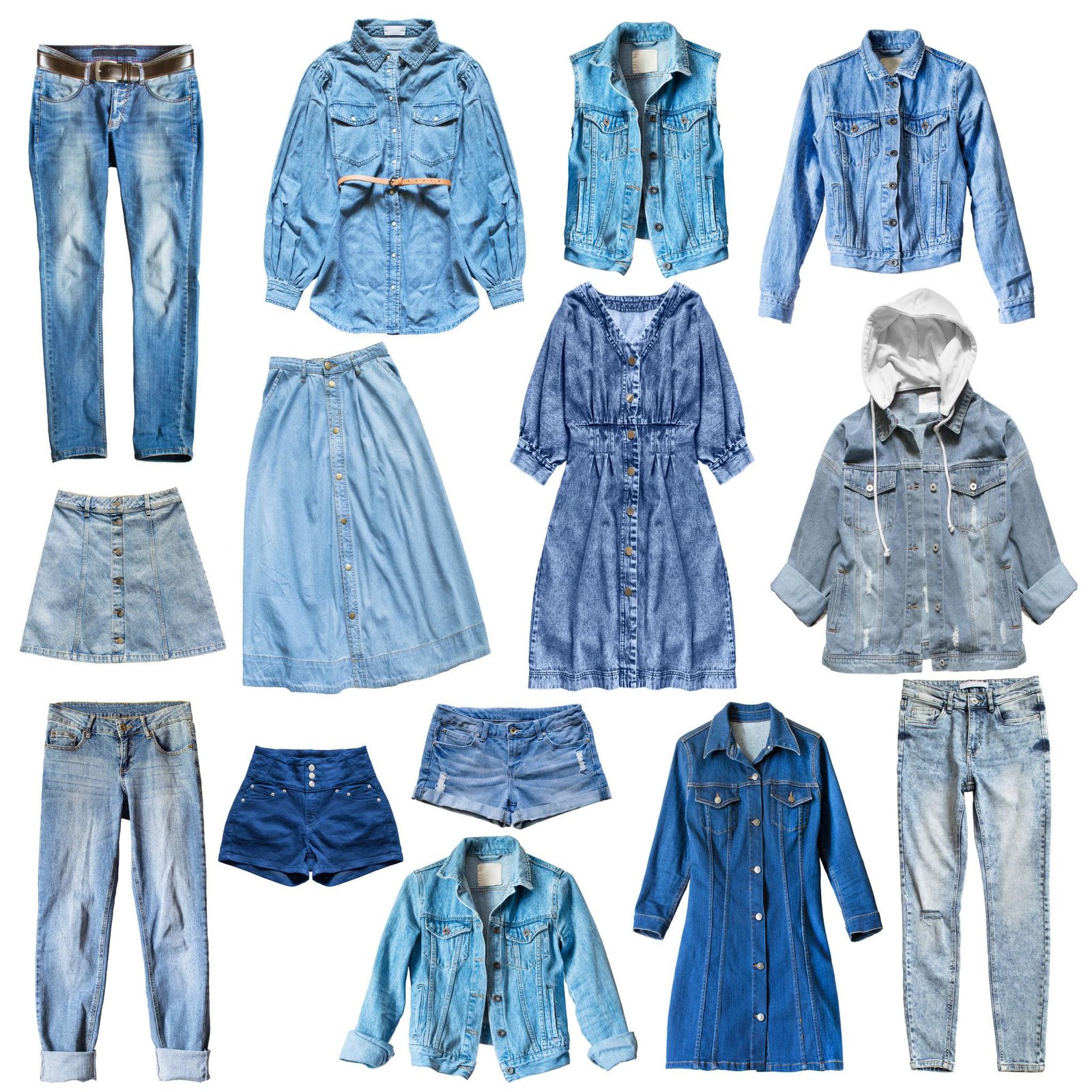
Denim is no longer limited to traditional blue jeans. Fashion brands can develop a variety of products using different denim fabrics, washes, fits and garment construction techniques.
Men's Denim Jeans
Men's jeans remain a widely sourced denim category. Common styles include:
-
Regular-fit jeans
-
Slim-fit jeans
-
Straight-fit jeans
-
Tapered jeans
-
Relaxed-fit jeans
-
Loose-fit jeans
-
Baggy jeans
Brands may develop casual, streetwear, premium, workwear or everyday collections.
Women's Denim Jeans
Women's jeans offer a broad range of silhouettes and design options.
Popular styles include:
-
High-waist jeans
-
Wide-leg jeans
-
Skinny jeans
-
Mom-fit jeans
-
Flared jeans
-
Bootcut jeans
-
Straight-leg jeans
-
Cropped jeans
Designers may combine different silhouettes with vintage washes, distressed details, stretch fabrics or minimal styling.
Denim Jackets
Denim jackets are popular in casual and seasonal collections. Manufacturers may develop classic trucker jackets, cropped jackets, oversized jackets, distressed styles and customized jackets.
Denim Shorts and Skirts
Denim shorts and skirts are suitable for summer, casualwear and fashion collections. Buyers can select different lengths, washes, hems, pocket styles and embellishments.
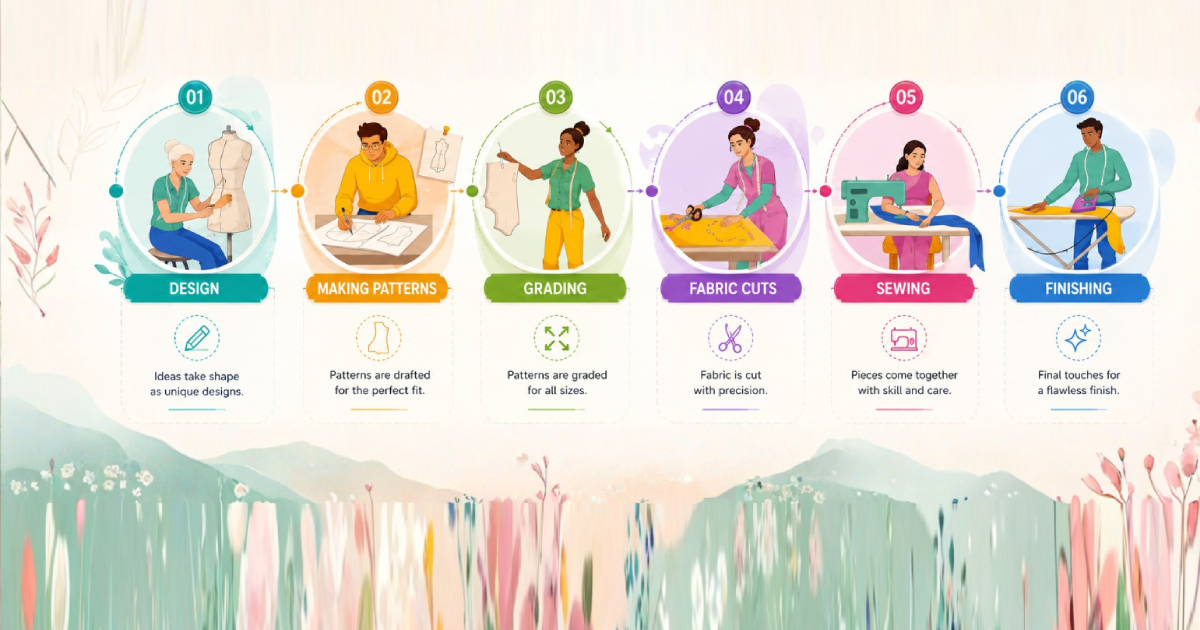
Custom Jeans Manufacturing Process
The manufacturing process usually begins with design development and ends with inspection and packaging.
|
Stage
|
Process
|
|
1
|
Buyer submits design, tech pack or reference sample
|
|
2
|
Manufacturer reviews specifications and costing
|
|
3
|
Fabric and trims are sourced
|
|
4
|
Pattern development and sample creation
|
|
5
|
Sample review and corrections
|
|
6
|
Bulk fabric preparation
|
|
7
|
Fabric cutting
|
|
8
|
Stitching and garment assembly
|
|
9
|
Washing and finishing
|
|
10
|
Final inspection
|
|
11
|
Labeling, packing and shipping
|
Step 1: Design and Tech Pack
The buyer shares the design details and product requirements.
A tech pack may include:
Step 2: Fabric and Trims Selection
The manufacturer identifies suitable fabric and accessories.
For jeans, fabric selection is important because it affects garment comfort, durability, fit, appearance and washing results.
Step 3: Sampling
A sample is produced for review. Buyers can check the fit, measurements, fabric, stitching, wash and overall appearance.
Sample corrections should be completed before bulk production.
Step 4: Bulk Cutting and Stitching
Once the sample is approved, fabric is prepared and cut according to production patterns. Garment panels are assembled using industrial stitching processes.
Step 5: Washing and Finishing
Depending on the design, jeans may undergo washing, softening, fading, distressing or other finishing processes.
Step 6: Final Quality Inspection
Finished garments are inspected for construction, measurements, wash consistency, trims, defects and packing requirements.
Step 7: Packing and Shipping
Products are packed according to the buyer's specifications and prepared for domestic delivery or export shipment.
Denim Fabric, Washes and Finishes
Denim fabric is available in different compositions, weights, colors, textures and finishes.
|
Fabric Type
|
Common Characteristics
|
|
100% cotton denim
|
Traditional denim, firm feel, classic appearance
|
|
Stretch denim
|
Includes elastane or similar stretch fibers
|
|
Lightweight denim
|
Suitable for shirts, summer garments and lighter jeans
|
|
Heavyweight denim
|
Useful for structured garments and durable designs
|
|
Black denim
|
Suitable for contemporary and formal casual styles
|
|
Colored denim
|
Offers alternative fashion color options
|
Denim washes can include dark indigo, medium blue, light blue, vintage, stonewashed, acid-washed, distressed, faded and black washed finishes.
The final appearance depends on the fabric, dyeing process, washing technique and finishing method. Buyers should approve wash samples whenever the color and finish are important to the design.
Quality Control in Jeans Manufacturing
Quality control helps manufacturers and buyers maintain consistent product standards.
A practical denim quality checklist includes:
-
Measurements: Check waist, hip, inseam, rise, thigh and leg opening.
-
Stitching: Review seam strength, stitch consistency and loose threads.
-
Fabric: Inspect fabric defects, shade variations and texture.
-
Wash: Confirm wash color, fading, distressing and finishing.
-
Hardware: Check buttons, zippers, rivets and other accessories.
-
Labels: Verify branding, care labels and size labels.
-
Appearance: Inspect garment shape, symmetry and overall finishing.
-
Packaging: Confirm packing instructions, tags and cartons.
Buyers should define inspection requirements before production. Depending on order size and business needs, inspection may include sample checks, inline production inspection or final inspection.
How to Source Jeans from India Successfully
Sourcing jeans from India can be straightforward when buyers prepare their requirements and follow a structured process.
MOQ, Pricing and Production Timelines
Minimum order quantity (MOQ), pricing and production timelines vary between manufacturers.
Factors affecting MOQ include:
-
Fabric availability
-
Style complexity
-
Fabric color
-
Washing requirements
-
Production capacity
-
Custom trims
-
Size distribution
-
Printing and embroidery
-
Packaging requirements
Custom jeans manufacturing usually involves more development work than ready-stock purchasing.
|
Cost Factor
|
What Buyers Should Consider
|
|
Fabric
|
Fabric composition, weight, stretch and sourcing
|
|
Cutting
|
Pattern complexity and fabric consumption
|
|
Stitching
|
Number of operations and garment construction
|
|
Washing
|
Wash type, treatment and finishing
|
|
Trims
|
Buttons, zippers, rivets and labels
|
|
Branding
|
Custom labels, patches and hangtags
|
|
Packaging
|
Individual packing and carton requirements
|
|
Logistics
|
Shipping, customs, insurance and delivery
|
Note: Actual MOQ, prices and timelines should be confirmed directly with the manufacturer for each style and order.
How to Select the Right Denim Manufacturer in India
Selecting a manufacturing partner is one of the most important decisions for a fashion brand.
1. Review Manufacturing Experience
Check the manufacturer's experience in denim production, product categories, manufacturing capabilities and export markets.
Ask whether they regularly manufacture the type of jeans you want to develop.
2. Request Samples
Samples help you understand fabric quality, stitching, measurements, washing, finishing and product appearance.
Don't rely only on photographs if the product quality is important to your brand.
3. Confirm MOQ
Ask for MOQ per style, color and size assortment. Some factories may have different requirements for ready-stock products and custom manufacturing.
4. Discuss Production Capacity
Understand whether the factory can handle your initial order and repeat orders. Production capacity should be discussed realistically, especially when launching a collection with multiple styles.
5. Evaluate Communication
A manufacturer should be able to explain costing, sample timelines, production schedules, technical requirements and payment terms clearly.
6. Review Quality Control
Ask how the manufacturer checks garment measurements, stitching, fabric defects, washing, finishing and packing.
7. Confirm Commercial Terms
Before placing an order, agree on:
-
Product specifications
-
Order quantity
-
Price
-
Sample charges
-
Payment terms
-
Production timeline
-
Delivery terms
-
Quality standards
-
Packaging requirements
-
Shipping arrangements
A written agreement or purchase order helps prevent misunderstandings.
Sustainable Denim Manufacturing
Sustainability is becoming an important consideration for fashion brands and clothing buyers.
Denim production can involve water, energy, chemicals, fabric waste and transportation. Buyers can explore more responsible manufacturing choices by discussing the following with their suppliers:
-
Lower-impact washing techniques
-
Efficient water use
-
Waste reduction
-
Recycled or responsibly sourced materials
-
Improved production planning
-
Fabric waste management
-
Responsible chemical management
-
Durable garment construction
Some manufacturers may offer fabrics or processes that support specific sustainability goals. Buyers should request documentation and verify claims instead of relying on general sustainability statements.
Useful resource: CottonWorks – Cotton and Textile Resources
This resource can help buyers explore cotton, textile processes and fabric-related information.
How Fashion Brands Can Start a Jeans Collection
Launching a jeans collection requires product planning, design development, sourcing, sampling and marketing.
Step 1: Define Your Target Market
Identify the customers you want to serve.
Are you targeting:
-
Premium fashion consumers?
-
Budget-conscious shoppers?
-
Streetwear buyers?
-
Sustainable fashion customers?
-
Women's fashion boutiques?
-
Men's casualwear customers?
-
Online fashion shoppers?
Your target market influences product design, pricing, fabric selection and branding.
Step 2: Develop Your Designs
Prepare sketches, reference images, measurements and technical details. If you don't have a complete tech pack, share clear references and discuss development assistance with the manufacturer.
Step 3: Select Your Initial Collection
Start with a focused collection rather than too many styles.
For example, a new brand might develop:
|
Style
|
Product
|
|
Style 1
|
Women's wide-leg jeans
|
|
Style 2
|
Women's straight-fit jeans
|
|
Style 3
|
Men's relaxed-fit jeans
|
|
Style 4
|
Men's straight-fit jeans
|
|
Style 5
|
Unisex oversized denim jacket
|
This approach can help simplify sampling, sourcing and inventory planning.
Step 4: Approve Samples
Review the samples carefully. Make sure the fit, fabric, stitching, wash and finishing match your expectations.
Step 5: Plan Your Budget
Your budget should include sample development, bulk production, labels, packaging, shipping, marketing, photography and inventory storage.
Step 6: Prepare for Sales
Before production is completed, plan your website, product photography, pricing, promotional campaigns, size charts and customer service.
Frequently Asked Questions (FAQs)
1. How can I find custom jeans manufacturers in India?
You can search online, explore garment manufacturing directories, attend textile and apparel trade shows, contact manufacturing companies directly and request samples. Review their product experience, MOQ, pricing, quality standards and production capabilities before selecting a supplier.
2. Do Indian manufacturers offer private-label jeans?
Yes, many Indian garment manufacturers offer private-label services. These may include custom labels, patches, hangtags, packaging, fabric selection, washing, design development and bulk production. Services vary by manufacturer.
3. What is the MOQ for custom jeans manufacturing in India?
MOQ depends on the manufacturer, fabric availability, style complexity, washing requirements, customization and production planning. Buyers should confirm MOQ per style and color before beginning sampling or bulk production.
4. Can I manufacture jeans for my startup fashion brand?
Yes. Many manufacturers work with emerging brands, although MOQ and development costs may vary. Startups can discuss their budget, designs, target quantities and product development requirements with potential suppliers.
5. What information should I send to a jeans manufacturer?
You should provide design sketches or reference images, measurements, fabric specifications, wash details, quantity, size breakdown, branding requirements, packaging instructions and delivery expectations. A tech pack is highly useful.
6. Do denim manufacturers in India export jeans internationally?
Many Indian garment manufacturers supply international markets. Buyers should confirm export experience, shipping arrangements, documentation, payment terms, delivery timelines and applicable customs requirements.
7. Can manufacturers produce different styles of jeans?
Yes. Depending on their capabilities, manufacturers may develop straight-fit, slim-fit, skinny, wide-leg, baggy, flare, relaxed, tapered and other jeans styles.
8. How do I ensure quality before placing a bulk order?
Request samples, review garment measurements, approve fabric and wash details, establish quality standards and agree on inspection procedures. Consider third-party inspections if your order size or business requirements justify them.
9. Can I customize fabric, wash and branding?
Yes, custom manufacturing can include fabric composition, denim weight, stretch, wash, stitching, buttons, rivets, labels, patches, hangtags and packaging, depending on the factory's capabilities.
10. How do I get a quotation from a jeans manufacturer?
Send your design or tech pack, quantity, size range, fabric preference, wash details, branding requirements and delivery destination. The manufacturer can use this information to prepare a more accurate quotation.
India offers a wide range of opportunities for fashion brands, wholesalers, retailers and startups looking to source denim products. With access to textile resources, skilled garment workers, customization options and export-oriented manufacturing capabilities, the country can be a valuable sourcing destination for businesses of different sizes.
Finding the right custom jeans manufacturers in India requires careful evaluation of product quality, fabric, sampling, MOQ, pricing, communication and production capabilities. Buyers who prepare clear specifications and establish transparent commercial terms can improve their sourcing experience and build stronger manufacturing partnerships.
From private-label jeans and wholesale denim to customized fashion collections, Indian manufacturers can support businesses throughout the product development and production process.
If you're planning to launch a denim collection or expand your clothing business, start by identifying your product requirements, requesting samples and communicating directly with manufacturers to explore the right production solution.
 +919540322227
 info@wings2fashion.com



 Category



 Best Clothing Manufacturers for Startups USA
 Step-by-Step Garment Manufacturing Process
 Custom Streetwear Manufacturer for Global Brands
 How Much Does It Cost to Start a Clothing Brand?
 Best Garment Manufacturer Australian Brands
 Custom Clothing Production for European Fashion Brands
 Sustainable Hoodie Manufacturer for Startups
 Top 25 Women's Western Wear Trends
 How to Verify a Clothing Manufacturer Before You Pay a Deposit
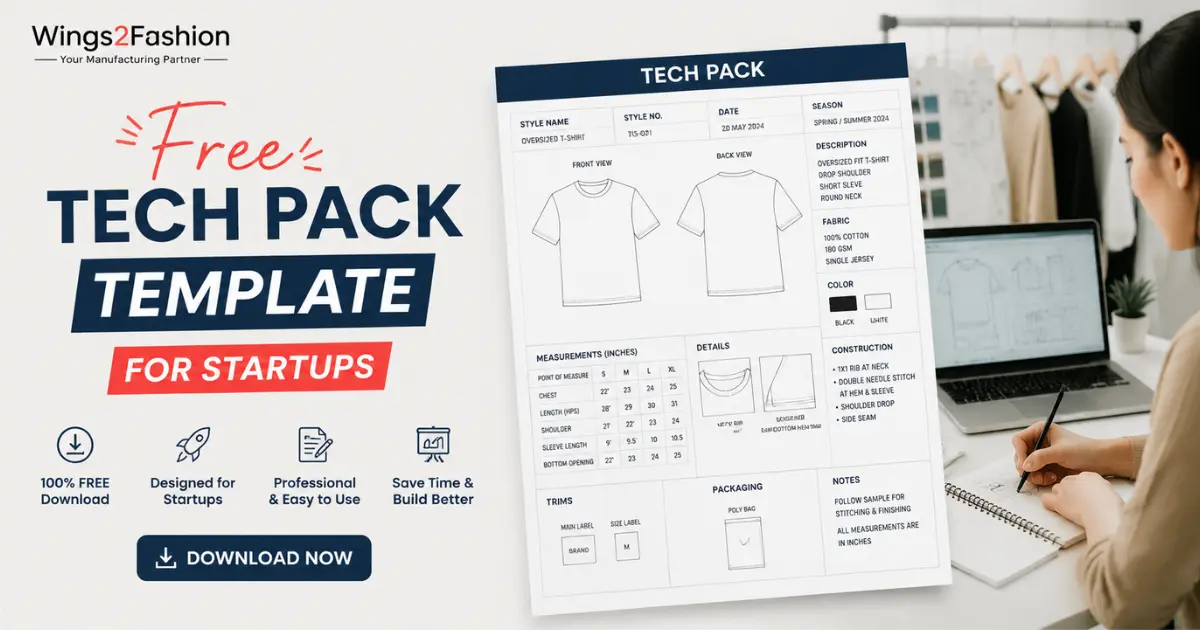 Free Tech Pack Template for Startups
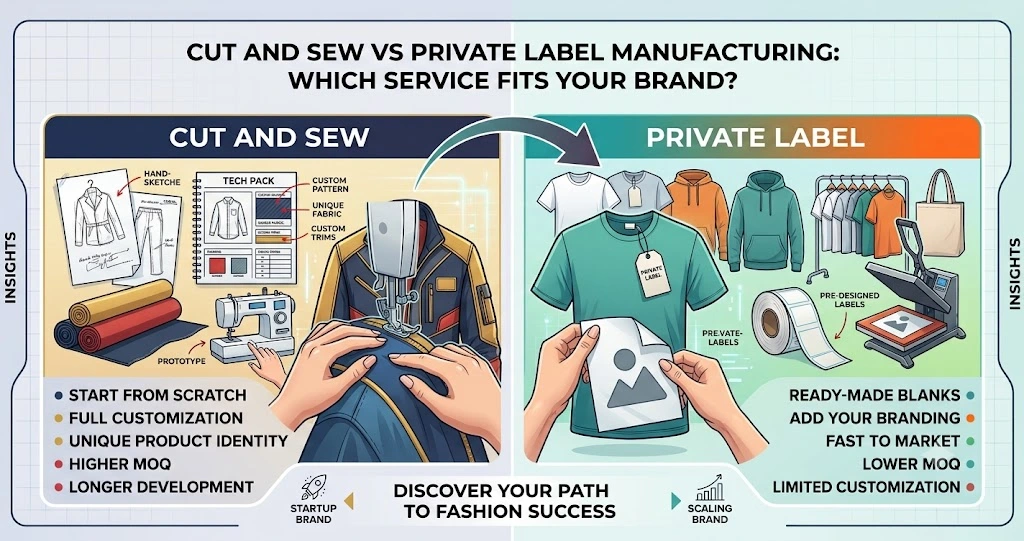 Cut and Sew vs Private Label Manufacturing
 MOQ in Clothing Manufacturing
 India vs China Clothing Manufacturing
 Custom Clothing Manufacturer for UK Brands
 Plus Size Clothing Manufacturing
 Athleisure Manufacturing Trends
 Best Trending Styles Polo T-Shirts for Men
 Top 10 Custom Tracksuit Manufacturers With Low MOQ
 Black Essentials Hoodie Outfit Ideas for Every Season
 Custom Jogger Manufacturing Tech Pack Bulk Production
 2026-11-27
 Sanjay Singh





Leave A Comment