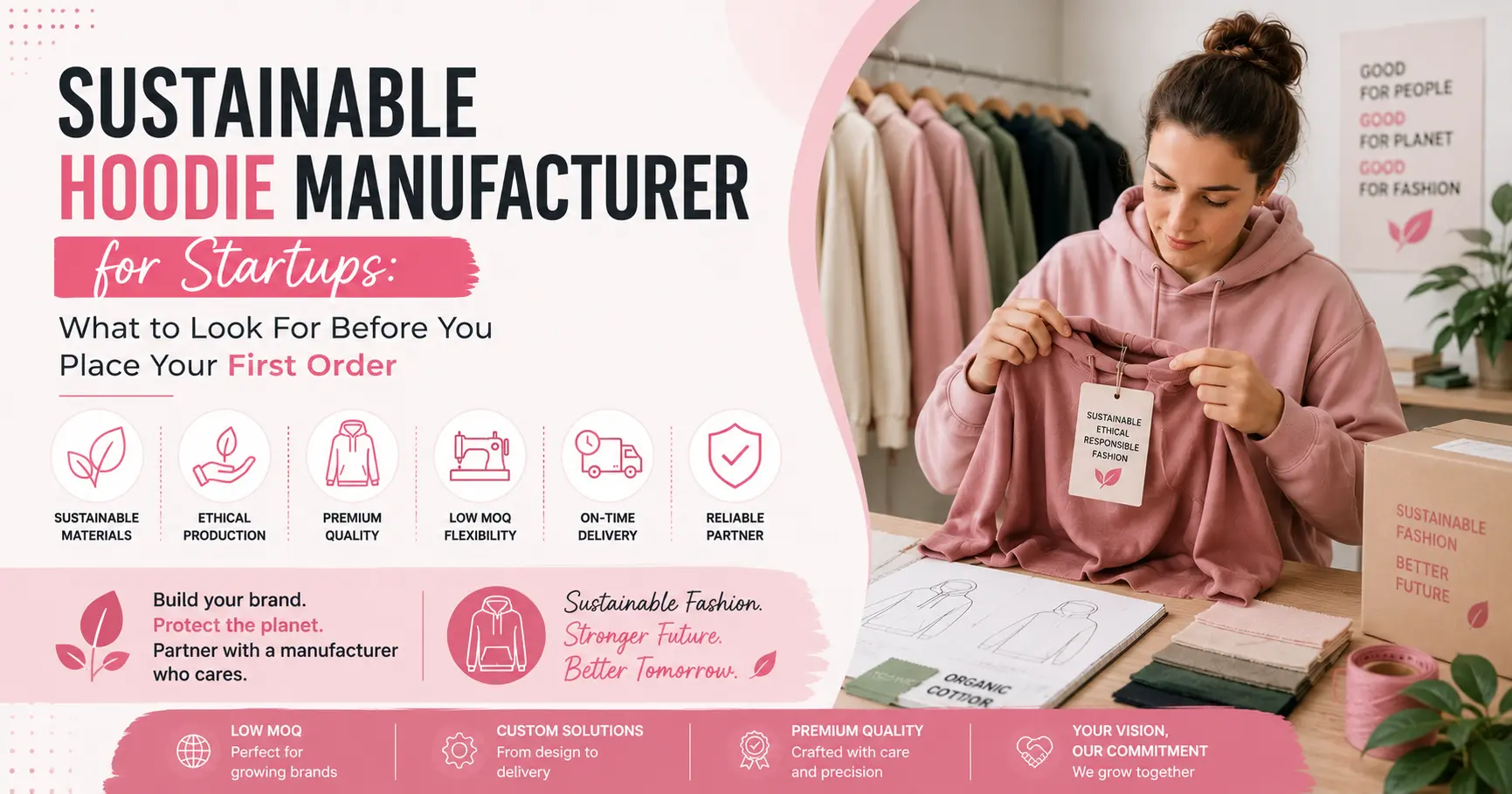
Sustainable Hoodie Manufacturer for Startups: What to Look For Before You Place Your First Order
Starting a hoodie brand sounds simple. Pick a design. Find a manufacturer. Start selling.
In reality, it's a lot more layered than that. Especially if sustainability is part of your brand identity. You need the right hoodie manufacturer. One who understands organic materials, ethical production, and the tight budgets most startups are working with.
This guide breaks it all down. What to look for. What questions to ask. And what red flags to avoid when you're sourcing custom hoodies for the first time.
Why Startups Are Choosing Sustainable Hoodie Manufacturing
Consumers are paying attention now. They read labels. They check sourcing claims. And they're quick to call out brands that greenwash.
For startups, this is actually an opportunity. Building a sustainability-first brand from day one is easier than retrofitting it later. The key is finding hoodies manufacturers who can back up your claims with real certifications and transparent processes.
Before you even contact a manufacturer, it helps to understand your full budget picture. If you're still figuring out your numbers, read our guide on How Much Does It Cost to Start a Clothing Brand? — it breaks down startup costs across sampling, production, and branding so you know what you're working with before committing to an order.
Sustainable hoodie manufacturing typically means a few things:
- Organic or recycled cotton fabrics
- Low-impact, water-based dyes
- Ethical labor practices
- GOTS, OEKO-TEX, or similar certification
- Reduced water consumption during production
Not every hoodie manufacturer offers all of these. That's why early vetting matters more than most startups realize.
What "Custom" Really Means When Working With Hoodie Manufacturers
Custom doesn't just mean adding your logo to a blank product. Real custom hoodie manufacturing means controlling every detail.
Fabric weight: This affects feel, durability, and price. Standard hoodies run between 280–380 GSM. Premium styles go higher. A 500 GSM hoodie manufacturer is a different tier entirely. That's a heavyweight build — dense, structured, and suited for luxury or streetwear labels that want something that feels substantial.
Fit and silhouette: Oversized, boxy, fitted, cropped. Your target customer decides this. Your manufacturer's pattern team executes it.
Print and embellishment method: Embroidery, screen print, DTG, and puff print all produce different results. A puff print hoodie manufacturer specifically needs the right equipment and heat-press setup to do this correctly. Puff print gives a raised, textured finish. It's popular in streetwear and adds a premium look to otherwise simple designs.
Speaking of streetwear — if your brand is targeting a global streetwear audience, check out our post on Custom Streetwear Manufacturer for Global Brands. It covers how global labels structure their production relationships and what design-forward brands typically look for in a manufacturing partner.
Label and packaging: Woven neck labels, hang tags, poly bags, recycled mailers. These details are what customers touch and remember.
Custom hoodie manufacturers who handle all of this in-house will generally give you better consistency than those who outsource embellishment to third parties.
The Minimum Order Quantity Problem — and How to Work Around It
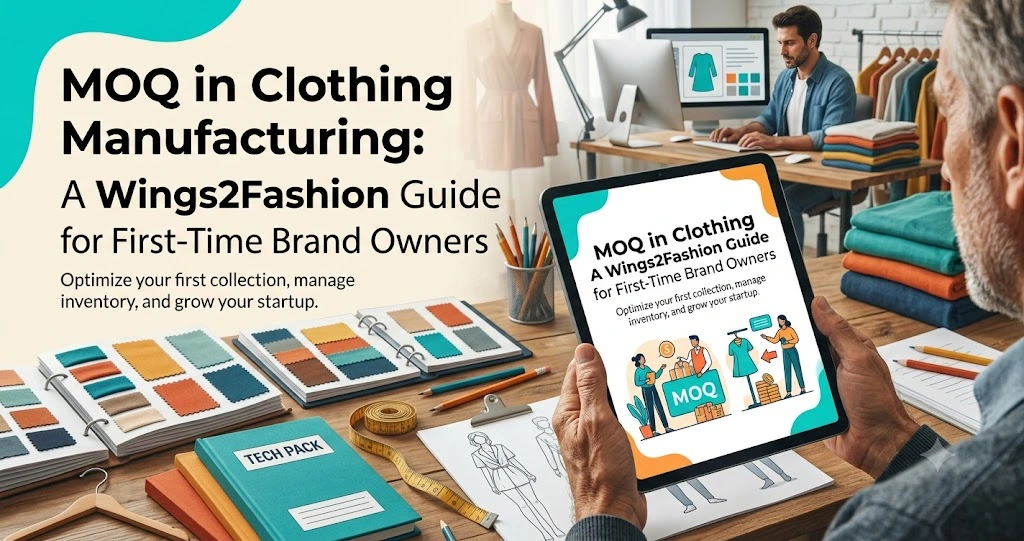
Most startups hit this wall early. A manufacturer quotes a minimum of 500 or 1,000 units per style. That's a big financial commitment before you've validated demand.
The good news is that custom hoodie manufacturers focused on startup clients often offer lower MOQs — sometimes as low as 50–100 pieces per design. This gives you room to test the market without overcommitting capital.
A few things to keep in mind:
- Lower MOQ usually means slightly higher per-unit costs
- Some manufacturers apply a sampling fee that gets credited back to your bulk order
- Color variations sometimes carry separate MOQs
If you're based in the US and comparing domestic versus overseas options, our guide on Best Clothing Manufacturers for Startups USA lays out what American startup brands typically encounter when they first start sourcing — including realistic MOQ expectations across different supplier types.
Be upfront about your budget and scale from the start. A good manufacturer will work with you. A poor one will waste your time pushing quantities you can't afford.
Fabric Choices for Sustainable Hoodie Production
Fabric is where sustainability either holds up or falls apart. Here's what to ask about.
Organic Cotton
Grown without synthetic pesticides or fertilizers. Softer than conventional cotton over time. Look for GOTS-certified organic cotton to ensure the whole supply chain is audited, not just the raw material.
Recycled Cotton or Polyester Blends
Made from post-consumer waste. Better for brands making strong environmental claims. Slightly less soft than virgin organic cotton, but well-suited for a circular economy brand story.
French Terry vs. Fleece
French terry is lighter, breathes better, and works well for spring and summer drops. Fleece is heavier and warmer, suited for autumn and winter collections. Your hoodie manufacturing partner should be able to supply both and explain GSM options clearly.
500 GSM
Worth calling out specifically. A 500 GSM hoodie manufacturer works with seriously heavy fabric. This isn't your average pullover. It's built for brands targeting premium or luxury streetwear customers. The construction is thicker, the stitching is reinforced, and the price reflects that. Make sure your manufacturing partner actually has experience producing at this weight — not just claiming they can.
Puff Print: Why It Matters and What to Ask For
Puff printing is a growing technique in streetwear. It uses an additive in the ink that expands when heat is applied, creating a raised, three-dimensional finish.
Not all hoodies manufacturers can do this well. Quality depends on the plastisol ink type, application temperature, and the substrate fabric. On heavier fleece, puff print tends to look bolder and hold up better through washing.
If puff print is part of your design brief, ask your puff print hoodie manufacturer directly:
- What inks do they use?
- Can they share samples of previous puff print work?
- How do they test washing durability?
A manufacturer who can't answer these clearly probably doesn't have the setup to deliver consistent results at scale.
Private Label and Luxury Hoodie Manufacturing for Startups
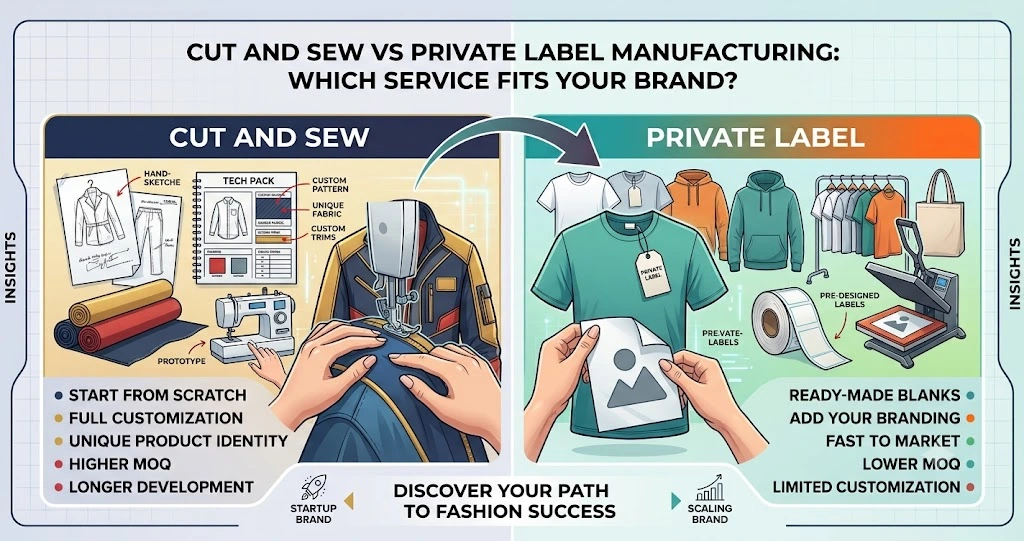
Private label is different from full custom production. In private label, the manufacturer has existing base styles. You add your branding. Turnaround is faster. Costs tend to be lower.
Full custom is built from scratch. Your patterns, your fits, your fabrics, your construction details.
Many startups start with private label to test the market, then move to full custom once they have revenue and data to support it.
If you're targeting the high-end market, look for a luxury hoodie manufacturer custom design private label setup — one that produces elevated, brand-aligned pieces, not just basics with a logo. Finishing details matter here. Flat-lock stitching. Ribbed cuffs in custom colors. Inside pockets. Branded zippers. These are the details that separate a luxury piece from a generic product.
To understand how this entire production journey works from start to finish, our Step-by-Step Garment Manufacturing Process guide is a useful reference. It walks through pattern making, sampling, grading, bulk cutting, quality control, and finishing in plain language — helpful if you're going through this for the first time.
What to Check Before Signing With Any Hoodie Manufacturer
Here's a practical checklist that saves you headaches later.
- Certifications: Ask for GOTS, OEKO-TEX, or Fair Trade documentation. Don't take it on faith.
- Samples first: Never place a bulk order without approved samples. Even if you're on a tight timeline.
- References or client list: Any manufacturer worth working with has supplied other brands. Ask to speak with one if possible.
- Lead times in writing: "About six weeks" means nothing. Get exact production timelines and shipping estimates documented before you confirm the order.
- Communication style: Slow responses during the sales phase usually get slower once your order is placed.
- Revision policy: How many sample rounds are included? What do additional revisions cost?
These questions don't take long. But the answers tell you a lot about how a manufacturer actually operates.
Sourcing Beyond Your Home Market
If your brand is scaling or you're exploring manufacturer options across different regions, it's worth understanding how production partnerships work in different markets.
European fashion brands, for instance, have specific compliance and sustainability requirements that differ from US or Australian brands. If that's your target market or your own location, our post on Custom Clothing Production for European Fashion Brands covers exactly what EU-market brands need from a manufacturing partner — including REACH compliance, country-specific sourcing preferences, and what German, French, and Nordic buyers specifically look for.
Similarly, if you're building for or selling into the Australian market, our piece on Best Garment Manufacturer Australian Brands outlines what local Australian fashion labels prioritize when sourcing overseas, including lead times, ethical certification requirements, and communication expectations.
Understanding regional differences makes you a better buyer. It also helps you ask the right questions when you're evaluating manufacturers for the first time.
Why India Makes Sense for Sustainable Hoodie Manufacturing
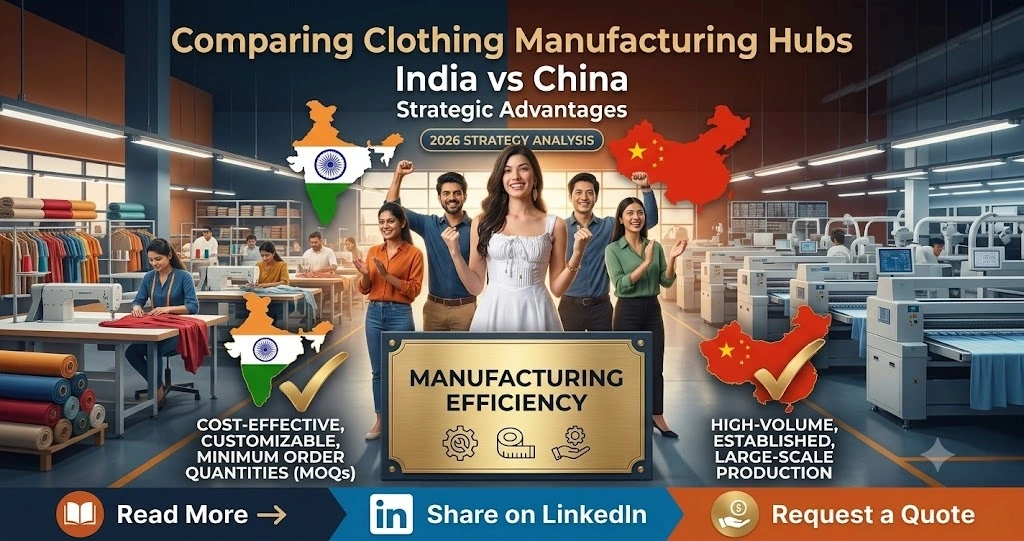
India is one of the world's largest cotton producers. It also has a deep manufacturing ecosystem — pattern makers, dye houses, embellishment units, and packaging facilities — often operating within the same production cluster.
For startups, this matters because:
- Organic cotton is more accessible and affordable than in many other sourcing destinations
- Manufacturers are experienced with export documentation and compliance
- Many factories already hold GOTS and OEKO-TEX certifications
Delhi, in particular, has become a strong base for export-focused garment production. Hoodie manufacturing operations here range from small boutique factories handling 100-piece startup orders to larger units supplying international retailers.
What is the minimum order quantity for custom hoodie manufacturing?
Most custom hoodie manufacturers for startups offer MOQs between 50–300 pieces per style, depending on fabric complexity and embellishment type.
What does a 500 GSM hoodie manufacturer offer differently?
A 500 GSM hoodie manufacturer works with heavyweight, dense fleece fabric — suited for premium streetwear and luxury labels that want a structured, substantial product.
What is puff print on hoodies?
Puff print is a raised, three-dimensional printing technique using heat-activated ink additives. A specialized puff print hoodie manufacturer uses specific plastisol inks and heat-press setups to produce durable, textured finishes.
Final Thoughts for Startups Entering the Hoodie Market
Finding the right manufacturing partner is half the battle. The other half is knowing exactly what you want before the first conversation.
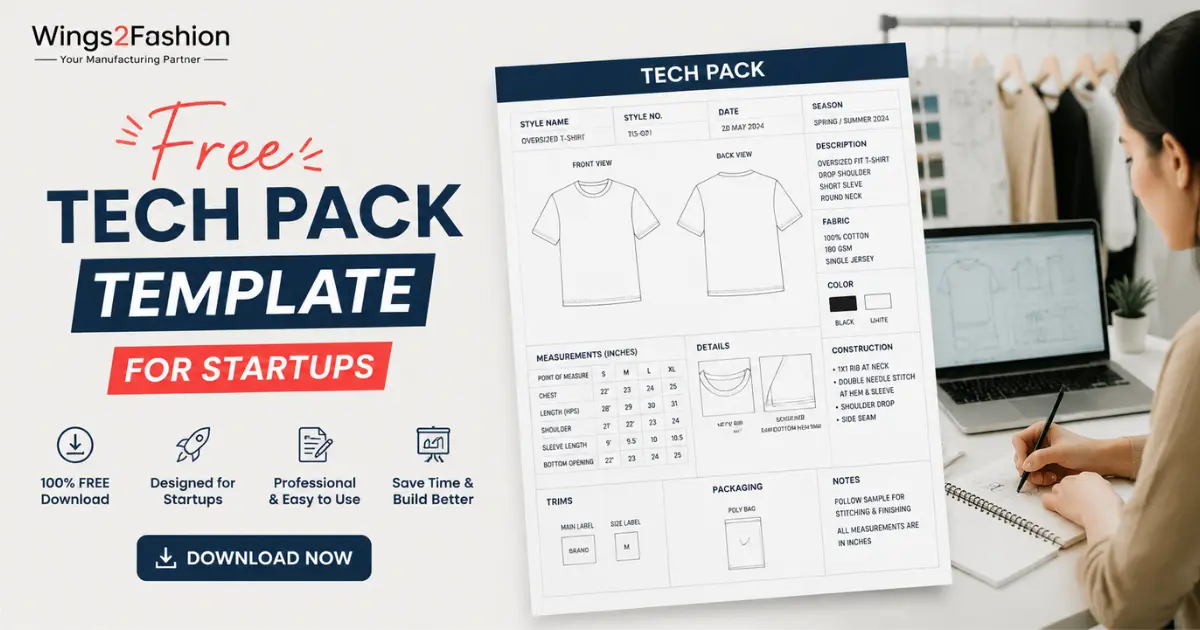
Know your fabric weight. Know your print technique. Know your MOQ capacity. Have a tech pack or at least detailed references ready when you reach out.
The market for sustainable hoodies is growing fast. But it's getting crowded too. Your manufacturing quality, material choices, and brand story all need to align.
A reliable hoodie manufacturer doesn't just produce your product. They become part of how your brand delivers on its promises.
Take the time to find the right one.
 +919540322227
 info@wings2fashion.com



 Category



 Best Clothing Manufacturers for Startups USA
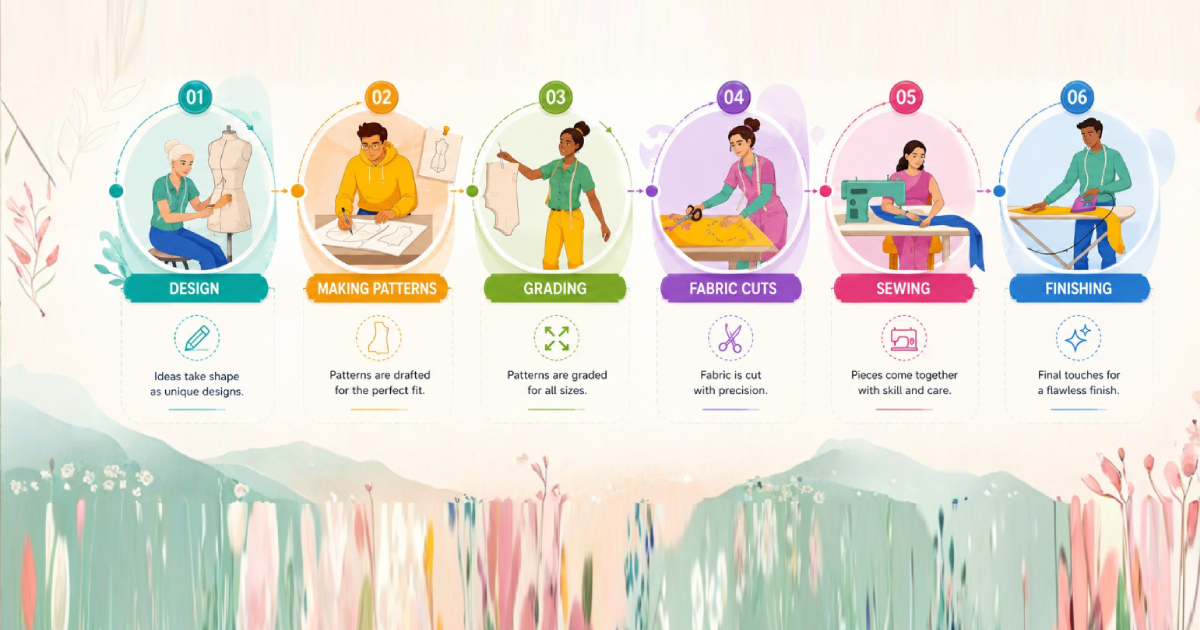 Step-by-Step Garment Manufacturing Process
 Custom Streetwear Manufacturer for Global Brands
 How Much Does It Cost to Start a Clothing Brand?
 Best Garment Manufacturer Australian Brands
 Custom Clothing Production for European Fashion Brands
 Top 25 Women's Western Wear Trends
 How to Verify a Clothing Manufacturer Before You Pay a Deposit
 Free Tech Pack Template for Startups
 Cut and Sew vs Private Label Manufacturing
 MOQ in Clothing Manufacturing
 India vs China Clothing Manufacturing
 Custom Clothing Manufacturer for UK Brands
 Plus Size Clothing Manufacturing
 Athleisure Manufacturing Trends
 Best Trending Styles Polo T-Shirts for Men
 Top 10 Custom Tracksuit Manufacturers With Low MOQ
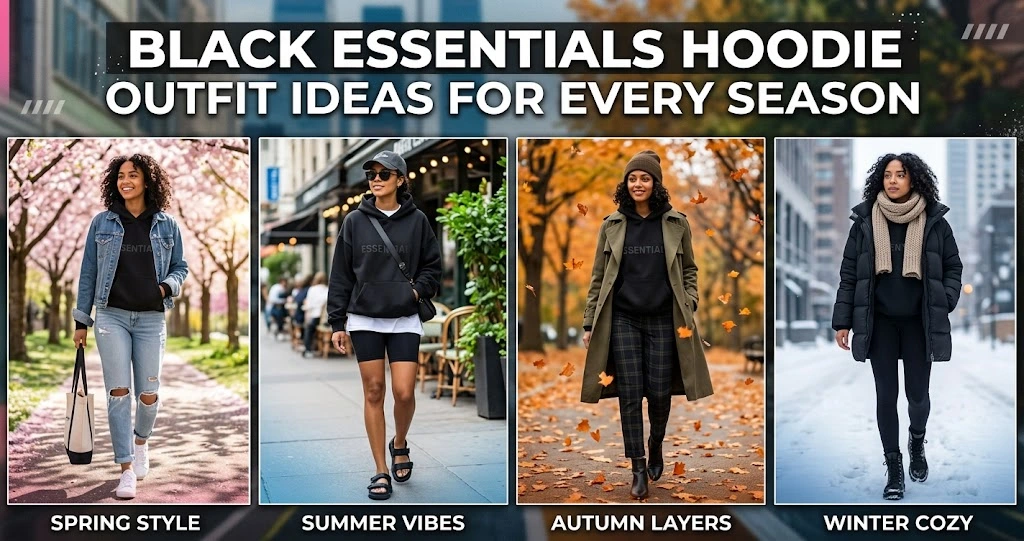 Black Essentials Hoodie Outfit Ideas for Every Season
 2026-09-12
 Suraj Vats





Leave A Comment