Custom Jogger Manufacturing: From Tech Pack to Bulk Production
Custom joggers have become a popular choice for fashion brands, sportswear labels, clothing retailers, and private-label businesses. From everyday casual wear to gym clothing and coordinated tracksuits, joggers offer the comfort, versatility, and styling options that modern customers look for.
For fashion businesses, developing a successful jogger collection involves more than choosing a fabric and creating a design. Every stage matters, including tech pack preparation, fabric selection, sample development, fitting, quality checks, and bulk production.
Working with an experienced custom jogger manufacturer in India can help simplify this process and turn your design ideas into market-ready products.
At Wings2Fashion, we help fashion brands and businesses develop custom clothing with options for private labeling, custom designs, branding, and packaging. This guide explains how custom jogger manufacturing works, from the initial tech pack to final bulk production.
What Is Custom Jogger Manufacturing?
Custom jogger manufacturing is the process of producing joggers according to a brand's specific requirements. These requirements may include fabric type, fit, color, measurements, stitching, pocket styles, waistband design, branding, and packaging.
Unlike ready-made joggers, custom-manufactured products allow brands to create styles that match their target audience and brand identity.
Common types of custom joggers include:
-
Casual joggers: Designed for everyday wear and relaxed styling.
-
Sports joggers: Developed for training, warm-ups, and active lifestyles.
-
Cotton joggers: Suitable for comfortable everyday clothing collections.
-
Fleece joggers: Often used for winter wear and cozy loungewear.
-
Oversized joggers: Popular in streetwear and contemporary fashion collections.
-
Matching joggers and tracksuits: Designed to coordinate with hoodies, sweatshirts, or track jackets.
The right design depends on your target market, intended use, price range, and customer preferences.
Step 1: Prepare a Detailed Tech Pack
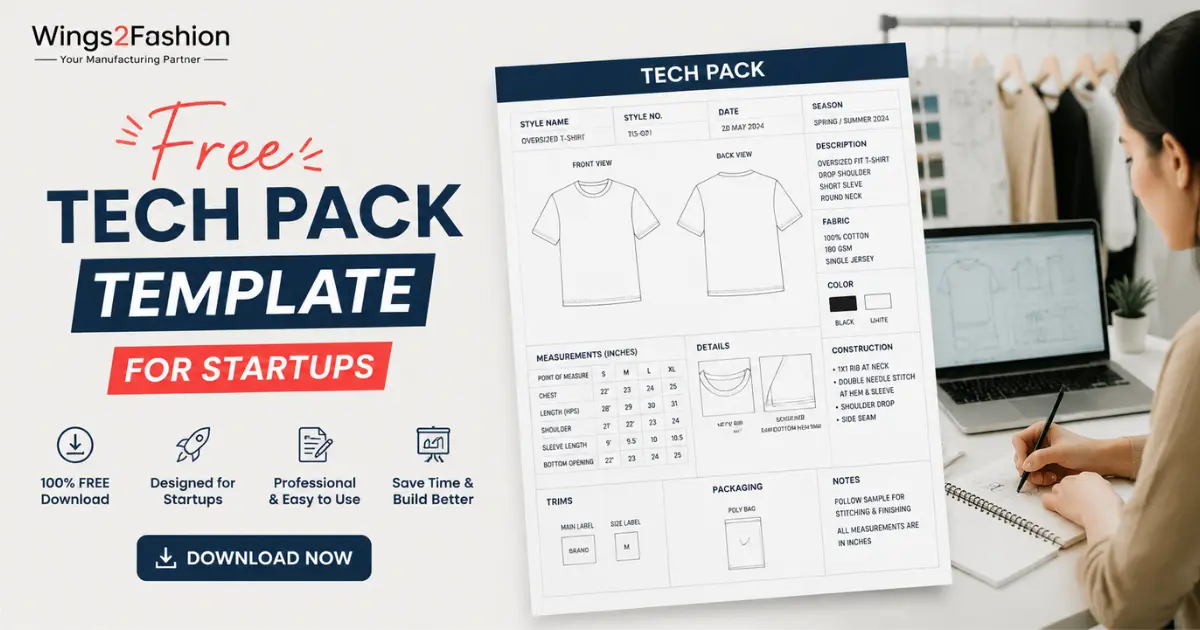
A tech pack is one of the most important documents in the custom clothing manufacturing process. It communicates your product requirements to the manufacturer and helps reduce confusion during development.
A clear tech pack gives the production team a reference for creating the sample and preparing the bulk order.
What Should a Jogger Tech Pack Include?
1. Technical sketches
Include front, back, and side views of the joggers. Highlight important design features such as pockets, seams, cuffs, drawstrings, and waistband construction.
2. Size chart and measurements
Provide measurements for each required size, including waist, hip, thigh, inseam, outseam, leg opening, and rise. Clearly state how each measurement should be taken.
3. Fabric specifications
Mention the preferred fabric composition, GSM, texture, stretch, and finish. For example, a cotton-polyester blend may work for casual joggers, while a stretch fabric may be more suitable for certain activewear designs.
4. Color details
Specify the required colors using Pantone references or approved physical swatches wherever possible. This helps the manufacturer understand your color expectations.
5. Trims and accessories
Include details about drawstrings, elastic waistbands, eyelets, zippers, labels, and other accessories.
6. Branding and packaging
Specify logo placement, embroidery, printing, brand labels, size labels, wash-care labels, hangtags, and packaging requirements.
A complete tech pack helps the manufacturer estimate requirements, develop samples, and plan production more accurately.
Step 2: Choose the Right Fabric for Your Joggers
Fabric selection affects comfort, appearance, durability, fit, and the final selling price. The best option depends on the purpose of your collection.
| Fabric type |
Best suited for |
| Cotton jersey or French terry |
Casual and everyday joggers |
| Cotton-polyester blend |
Versatile casualwear and tracksuits |
| Fleece fabric |
Winter collections and warm loungewear |
| Polyester blends |
Selected sportswear and performance-inspired styles |
| Stretch knit fabric |
Joggers requiring additional flexibility |
Before finalizing the fabric, consider its weight, softness, shrinkage, colorfastness, stretch recovery, and care requirements.
For example, lightweight fabric may suit summer collections, while heavier fleece can work better for colder weather.
Always confirm the actual fabric composition and GSM with your manufacturer. Request a fabric swatch when necessary, especially if your brand has specific quality or performance expectations.
Step 3: Finalize Fit, Style, and Construction
Two joggers made from similar fabrics can look and feel very different because of their fit and construction.
Before sampling, decide whether your collection will feature slim-fit, regular-fit, relaxed-fit, tapered, or oversized joggers.
You should also finalize details such as:
-
Elasticated waistband with or without a drawstring
-
Side pockets, back pockets, or cargo pockets
-
Ribbed cuffs or open-leg hems
-
Decorative panels, contrast stitching, or piping
-
Printed graphics, embroidery, or logo placement
-
Matching hoodies or track jackets
These details should match your intended customer and the overall design direction of your clothing brand.
Clear specifications at this stage help prevent unnecessary changes during sampling and production.
Step 4: Develop and Approve the Sample
Sample development allows you to evaluate the design before committing to bulk manufacturing.
The manufacturer uses your tech pack, approved materials, and construction instructions to create a sample jogger. You can then assess the garment's appearance, fit, comfort, stitching, and overall finish.
What Should You Check During Sampling?
-
Fit and measurements: Confirm that the garment follows your approved size specifications.
-
Fabric quality: Check texture, weight, stretch, and comfort.
-
Stitching: Inspect seams, hems, pockets, and waistband construction.
-
Color accuracy: Compare the sample with your approved reference.
-
Branding: Verify logo size, placement, labels, and print quality.
-
Wearability: Check movement, comfort, and ease of dressing.
If adjustments are needed, provide clear feedback and request a revised sample where appropriate.
Important: Approve the final sample and confirm any remaining specifications before bulk production begins. This gives the production team a clear reference for the finished garments.
Step 5: Calculate MOQ, Cost, and Production Requirements
Once the sample is approved, the next step is to finalize order quantities, costing, and production details.
The minimum order quantity (MOQ) may depend on the manufacturer, fabric availability, number of colors, size range, printing or embroidery requirements, and production setup.
When requesting a quotation, share the following information:
-
Jogger design and approved tech pack
-
Fabric composition and GSM
-
Quantity per style and color
-
Size breakdown
-
Printing, embroidery, and branding requirements
-
Packaging specifications
-
Target delivery date and destination
Remember that the total number of units and the number of SKUs are different.
For example, one jogger style available in three colors and five sizes can have up to 15 unique SKUs if every color-size combination is offered. Your total production quantity depends on how many units you order for each SKU.
Ask your manufacturer to provide a clear quotation covering the agreed specifications, production quantity, applicable charges, and delivery terms. This makes it easier to calculate your product costs and retail pricing.
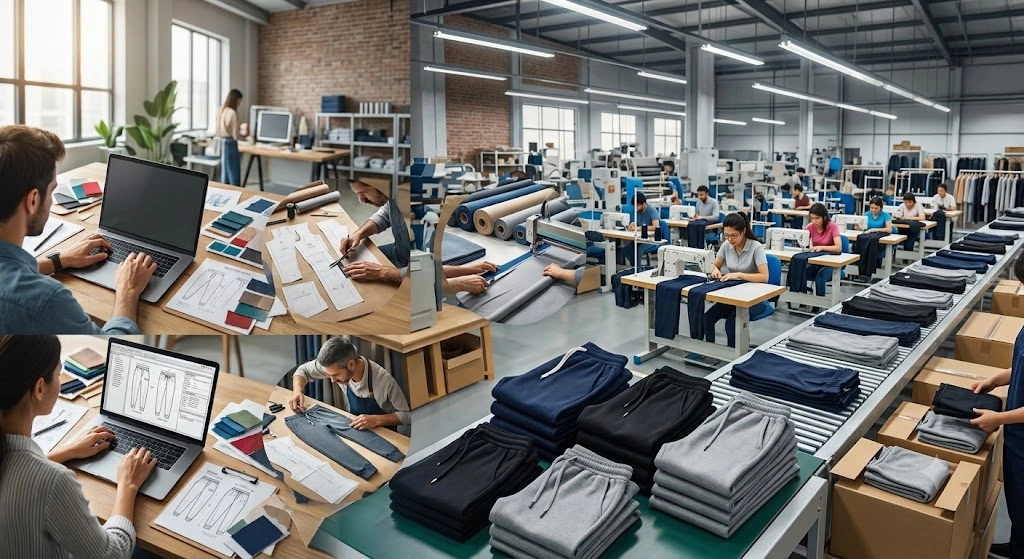
Step 6: Start Bulk Jogger Production
After sample approval, order confirmation, and final specification approval, the manufacturer can begin bulk production.
The process generally includes several stages.
Fabric sourcing and inspection: The required fabric and trims are arranged and checked against the approved specifications.
Fabric cutting: Fabric is spread and cut according to the required pattern pieces and size breakdown.
Stitching and assembly: Individual components, including pockets, waistbands, legs, and cuffs, are assembled according to the approved construction.
Printing and embroidery: Required logos, graphics, or decorative details are applied at the appropriate production stage.
Finishing: Garments undergo finishing processes, such as thread trimming, pressing, and other specified treatments.
Quality inspection: Finished joggers are checked against the agreed measurements, construction, appearance, and quality requirements.
Production planning is particularly important when an order includes multiple sizes, colors, and matching garments. Clear communication helps the manufacturer coordinate materials, workflow, and delivery expectations.
Step 7: Maintain Quality Control Throughout Production
Quality control should not be limited to the final inspection. Checking quality at different stages can help identify problems before they affect a large quantity of garments.
For custom joggers, important quality checkpoints include:
-
Fabric defects and color consistency
-
Measurement accuracy across sizes
-
Seam strength and stitching quality
-
Waistband elasticity and drawstring functionality
-
Pocket construction and placement
-
Print or embroidery accuracy
-
Loose threads, stains, and finishing defects
-
Correct brand labels and packaging
You can also agree on acceptable tolerances, inspection methods, and quality standards before production starts.
If you are sourcing remotely, ask your manufacturer whether progress photographs, videos, or a video inspection can be arranged. These options can help you review production progress without visiting the factory in person.
Step 8: Branding, Packaging, and Delivery
Once the joggers pass the agreed quality checks, they can be prepared for packing and dispatch.
For private-label brands, this stage may include attaching brand labels, size labels, and wash-care labels, along with hangtags and customized packaging.
Before dispatch, confirm that the quantities, sizes, colors, SKU labels, and packaging match your purchase order.
Your manufacturer should also communicate the expected dispatch schedule and the agreed shipping arrangements.
Remember that production lead time and shipping time are different. Plan your product launch, seasonal inventory, and marketing activities accordingly.
How Long Does Custom Jogger Manufacturing Take?
The manufacturing timeline depends on the design, fabric availability, order quantity, number of colorways, branding requirements, and sample approval process.
The main stages include:
-
Tech pack review and costing
-
Fabric and trim sourcing
-
Sample development and approval
-
Bulk production
-
Quality inspection and finishing
-
Packing and dispatch
Simple designs using readily available materials may be easier to develop than styles requiring custom fabrics, specialized washes, or complex embroidery.
To avoid unnecessary delays, provide complete specifications at the beginning, approve samples promptly, and confirm any design changes in writing.
For an accurate schedule, request a stage-by-stage production timeline from your manufacturer before placing the order.
Why Choose Wings2Fashion for Custom Jogger Manufacturing?
Choosing the right manufacturing partner is an important decision for any fashion brand. You need a team that understands your design requirements, communicates clearly, and can support your product development and production needs.
Wings2Fashion is a Delhi-based clothing manufacturer in India, working with fashion brands and businesses on custom clothing and private-label requirements.
Our services can support brands looking to develop custom garments with:
-
Custom designs based on your requirements
-
Fabric, color, and size options
-
Private-label branding and garment labels
-
Customized packaging options
-
Sampling and bulk production coordination
-
Flexible MOQ discussions, depending on the product and production requirements
-
Quality checks and production updates
Whether you are developing a new casualwear collection or expanding an existing tracksuit range, sharing a clear tech pack helps us understand your requirements and discuss the next steps.
Planning your own jogger collection? Contact Wings2Fashion to discuss your design, fabric preferences, quantity, branding, and production requirements.
Frequently Asked Questions
1. What is required to start custom jogger manufacturing?
A tech pack with technical sketches, measurements, fabric details, colors, trims, and branding requirements is the best starting point. Reference images and physical samples can also help communicate your expectations.
2. Can I manufacture joggers under my own clothing brand?
Yes. Private-label manufacturing can include brand labels, size labels, wash-care labels, hangtags, and customized packaging, depending on the agreed requirements.
3. What is the MOQ for custom joggers?
MOQ varies by manufacturer, fabric, design complexity, and production requirements. Share your design and expected order quantity to discuss suitable options.
4. Can I order joggers in different colors and sizes?
Yes. You can plan multiple colors and sizes according to your collection requirements. Provide a clear size and color breakdown to help the manufacturer plan production and SKU quantities.
5. Is sample approval necessary before bulk production?
Sample approval is strongly recommended. It allows you to check fit, fabric, construction, and branding before proceeding with the full order.
6. How can I ensure the quality of bulk joggers?
Approve a reference sample, confirm measurement tolerances, agree on quality checkpoints, and inspect finished garments against the approved specifications.
7. Can joggers be manufactured with matching hoodies or jackets?
Yes. Matching joggers, hoodies, sweatshirts, and track jackets can be developed as coordinated collections, subject to the design and production requirements.
Final Thoughts
Custom jogger manufacturing involves careful planning at every stage, from preparing the tech pack to approving samples, managing bulk production, and inspecting finished garments.
Clear specifications, suitable fabric choices, realistic timelines, and consistent quality checks can help reduce production issues and create products that meet your brand's expectations.
If you are planning a new jogger collection, Wings2Fashion can help you explore custom clothing and private-label manufacturing options in India. Share your design, quantity, and branding requirements to start discussing your project.
 +919540322227
 info@wings2fashion.com



 Category

 Best Clothing Manufacturers for Startups USA
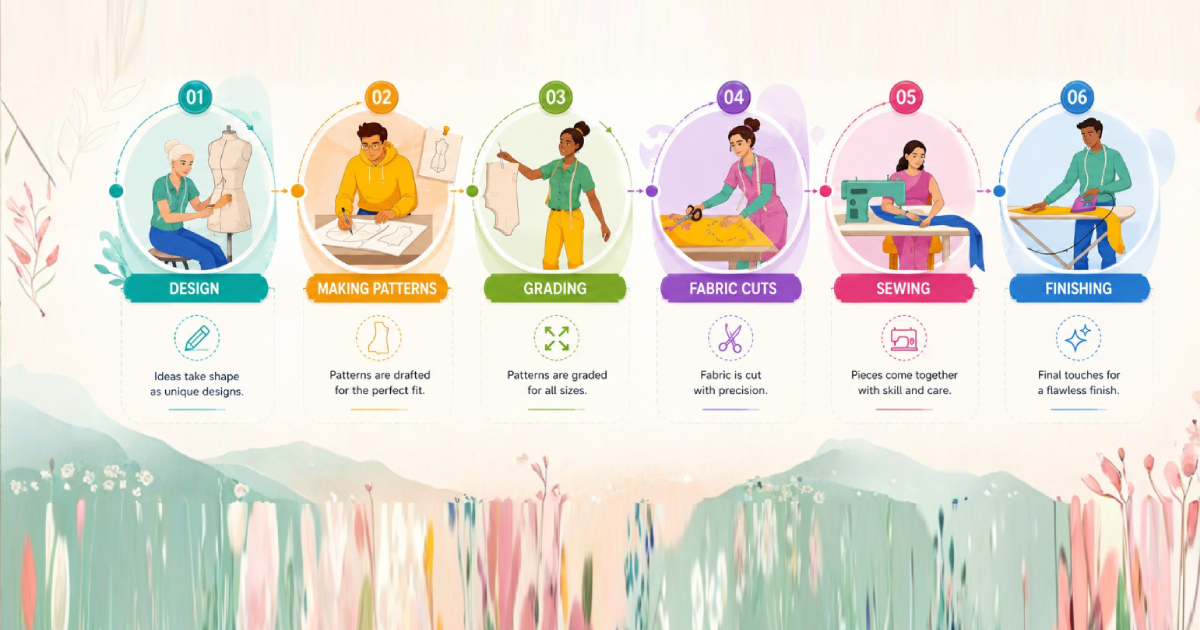 Step-by-Step Garment Manufacturing Process
 Custom Streetwear Manufacturer for Global Brands
 How Much Does It Cost to Start a Clothing Brand?
 Best Garment Manufacturer Australian Brands
 Custom Clothing Production for European Fashion Brands
 Sustainable Hoodie Manufacturer for Startups
 Top 25 Women's Western Wear Trends
 How to Verify a Clothing Manufacturer Before You Pay a Deposit
 Free Tech Pack Template for Startups
 Cut and Sew vs Private Label Manufacturing
 MOQ in Clothing Manufacturing
 India vs China Clothing Manufacturing
 Custom Clothing Manufacturer for UK Brands
 Plus Size Clothing Manufacturing
 Athleisure Manufacturing Trends
 Best Trending Styles Polo T-Shirts for Men
 Top 10 Custom Tracksuit Manufacturers With Low MOQ
 Black Essentials Hoodie Outfit Ideas for Every Season
 2026-10-13
 Suraj Vats





Leave A Comment