How to Verify a Clothing Manufacturer Before You Pay a Deposit: A Wings2Fashion Checklist for Startups
Procurement fraud sits among the top three most disruptive economic crimes companies report worldwide, according to PwC's Global Economic Crime Survey 2024. For a founder about to wire a deposit to an overseas factory, that statistic is not background noise. TransUnion's H2 2025 Fraud Trends Report found that businesses globally lose an average of 7.7% of annual revenue to fraud, a figure that includes supplier and procurement scams alongside payment fraud. Apparel sourcing carries its own version of this risk: fake factories, doctored certificates, and deposits that disappear the moment a wire transfer clears.
Learning how to verify a clothing manufacturer before any money changes hands is the most protective step a new apparel brand can take. It costs nothing, takes a few days, and removes almost every scenario where a founder finds out too late that a factory never existed. This guide walks through the exact checklist to run before a deposit, the red flags that should stop a deal in its tracks, and where a documented, verifiable manufacturer like Wings2Fashion fits into a safer sourcing process.
The Real Cost of Skipping Manufacturer Verification
Small businesses that fall victim to fraud rarely recover the full loss. Research from Florida Atlantic University's Center for Forensic Accounting, drawing on the Association of Certified Fraud Examiners' Report to the Nations, found that small businesses carry a median fraud loss of $200,000, and roughly 60% of that amount is never recovered. A clothing brand does not need a loss anywhere near that size to be knocked off course. A missed launch date, a batch of unusable garments, or a deposit sent to a factory that never ships anything can drain the working capital a startup needs for its next order, and can delay a launch by months while a founder searches for a second manufacturer.
Most first-time founders rely entirely on a manufacturer's own claims, since they do not yet have an in-house sourcing or legal team to fall back on. A one-page website, a few product photos, and a fast reply on WhatsApp are not proof of production capability. A manufacturer background check exists specifically to close that gap before a deposit moves, and it works the same way whether the factory is based in India, China, Bangladesh, or anywhere else. The goal of any manufacturer background check is simple: confirm the business is real, the factory is real, and the people asking for a deposit are the people who will actually produce the order.
Founders who skip this step are not being careless. Most simply do not know what to ask for, or assume that a professional-looking website and a quick sample photo are enough proof. They rarely are. A ten-minute call cannot substitute for documents that verify a clothing manufacturer's legal existence, so the checklist below is built around evidence a founder can independently confirm, not reassurance a founder has to take on faith.
The Checklist to Verify a Clothing Manufacturer
1. Confirm Business Registration and Legal Status
Before any conversation about pricing or MOQ, ask for the manufacturer's registered business name, GST or company registration number, Import Export Code (IEC) if the factory ships internationally, and registered factory address. A legitimate factory shares this without hesitation. Cross-check the registration against the relevant government business registry for the country in question; in India, that means checking the company against the Ministry of Corporate Affairs database or the GST portal. A manufacturer that stalls on this request, or asks for payment into a personal bank account instead of a company account, is not one to send a deposit to. This single step is the fastest way to verify a clothing manufacturer before any other conversation continues, and it takes less time than agreeing on a colorway.
2. Request Factory Audit Documentation
Ask for a recent third-party factory audit report, such as a BSCI, Sedex (SMETA), or WRAP audit. These reports confirm the factory operates from a real, inspected facility with documented labor and safety practices. If a manufacturer has no audit history to show, request a live video walkthrough of the actual production floor rather than accepting stock photography that may be reused across several supplier profiles. A quick reverse image search on factory photos is often enough to catch a manufacturer using someone else's facility, and it takes under five minutes.
3. Verify Sample-to-Bulk Consistency
Order a paid sample before committing to a bulk run, and compare the fabric weight, stitching, and finish against what was promised in writing. Reliable manufacturers send fit samples for approval before bulk production starts and before any second payment is collected. If a factory pushes to skip sampling, or asks for the full balance before shipping even a single sample, treat it as a serious warning sign rather than a scheduling convenience. This step alone catches most cases where a manufacturer cannot actually produce what the sample photos suggested.
4. Check References From Existing Clients
Ask for two or three references from brands the manufacturer has produced for in the past 12 months, then actually contact them. A manufacturer with a genuine track record will not hesitate here. Cross-reference any client logos or testimonials shown on the manufacturer's website; a short search should confirm those brands exist and are still active in the market. A manufacturer that cannot name a single verifiable client, despite years in business, has not earned a deposit yet.
5. Look for Recognized Certifications
Certifications such as GOTS for organic cotton, OEKO-TEX Standard 100 for chemical safety, and BSCI for ethical labor practices are issued by independent bodies, not by the factory itself. Ask for the certificate number and verify it directly on the certifying body's own database rather than trusting a PDF sent over email. A factory that claims certification but cannot produce a verifiable certificate number should not move forward in the vetting process, regardless of the price quoted. This check matters more each year as retailers and marketplaces in the US and EU ask brands to show compliance proof before listing a product.
6. Review Payment Terms and Deposit Structure
A standard, defensible structure is a partial deposit to begin production, with the balance due after quality inspection and before shipment. Requests for full payment upfront, payment only to a personal account, or new fees added after production is already finished are among the clearest signs of a clothing manufacturer scam already in progress. Ask for this structure in writing before the first payment, not after.
Red Flags That Signal a Clothing Manufacturer Scam
A checklist catches most issues, but some warning signs are worth naming directly, since founders often notice one of these without recognizing what it means:
- Pricing far below every other quote for the same fabric, specification, and MOQ
- Refusal to sign a written agreement covering price, timeline, and quality standards
- Pressure to wire full payment within 24 to 48 hours
- Stock photography, AI-generated facility tours, or reused client testimonials
- No verifiable business registration or physical factory address
- Communication that avoids specific production questions and redirects to urgency instead
Any one of these alone is not automatically disqualifying, but two or more appearing together are reason enough to walk away before a deposit is sent. Founders who have already lost money to a clothing manufacturer scam consistently report that at least two of these signs were visible from the first conversation.
Why India Remains a Trusted Sourcing Base
India's position as a manufacturing base shows up clearly in national trade data, not only in supplier marketing. The country's textile and apparel exports, including handicrafts, reached USD 37.54 billion across calendar year 2025, with growth recorded across 118 export destinations, according to India's Press Information Bureau. The sector also directly employs more than 45 million people, giving it a scale of skilled labor that supports consistent, audited production rather than a handful of workshops competing for the same small pool of workers, based on figures reported by India's Ministry of Textiles.
The broader global apparel market was valued at USD 1.9 trillion in 2025 and is projected to grow at a CAGR of 4.1% through 2034, according to IBEF, which means buyer demand for verified, export-ready factories continues to rise rather than level off. India's own textile and apparel market is targeted to reach USD 350 billion by 2030, up from roughly USD 174 billion today, according to Invest India, the national investment promotion agency. For startups comparing sourcing countries, this scale matters because it supports a deeper pool of audited, export-capable factories rather than a single lower price point. Brands sourcing from the United States can see how this plays out in practice on Wings2Fashion's custom clothing manufacturing for USA brands page, which sets out MOQ, sampling, and production timelines specific to that market.
What to Do If a Manufacturer Refuses to Verify
A manufacturer that pushes back on every item in this checklist is telling a founder something important before a single garment gets made. The right response is not to negotiate around the refusal; it is to treat the refusal itself as the answer. A few practical steps help here:
- Put every unanswered question in writing by email, so there is a dated record of what was requested and what was avoided
- Ask a sourcing agent or a third-party inspection service to visit the factory in person if the order value justifies the cost
- Compare the manufacturer's claims against public trade data, industry directories, or export council listings for that country
- Walk away from the deposit request entirely if two or more checklist items remain unanswered after a direct follow-up
None of these steps require legal expertise or a large budget. They require only the willingness to pause before wiring money, which is the one habit that separates founders who verify a clothing manufacturer properly from those who learn the same lesson the expensive way.
How Wings2Fashion Makes Verification Simple
Every step in the checklist above is something Wings2Fashion documents upfront rather than on request. Business registration, factory location, and production capacity are shared before any sample discussion begins, so a founder never has to ask twice. Fit samples go out for approval ahead of bulk production, and the standard payment structure follows a deposit-then-balance model instead of full payment in advance, matching the exact structure recommended earlier in this checklist.
Startups building a private label range can review the full production and labeling process on the private label clothing manufacturer page, and brands running a broader apparel programme can see the complete in-house production setup on the apparel manufacturers page. Both pages set out the same registration, sampling, and payment details a founder should confirm with any manufacturer, verified or not.
Verify a Clothing Manufacturer Before You Send a Deposit: Final Checklist
A clothing manufacturer that can produce registration documents, audit reports, verifiable certifications, and real client references has nothing to hide, and will not resist a founder confirming any of it. The reverse is also true: hesitation on any of these points is information in itself. Run this checklist before every new sourcing relationship, not only the first one, since even a manufacturer that started out reliable can change ownership, subcontract quietly, or cut corners once a brand feels locked in.
Verifying a clothing manufacturer is not a one-time task reserved for nervous first-time founders. It is a habit worth repeating with every new supplier, every renewed contract, and every factory switch, regardless of how many successful orders came before it.
If you want to work with a manufacturer that documents every one of these steps by default, request a free production quote from Wings2Fashion, or explore Wings2Fashion's private label manufacturing services to see the verification paperwork before committing a single deposit.
 +919540322227
 info@wings2fashion.com



 Category

 Best Clothing Manufacturers for Startups USA
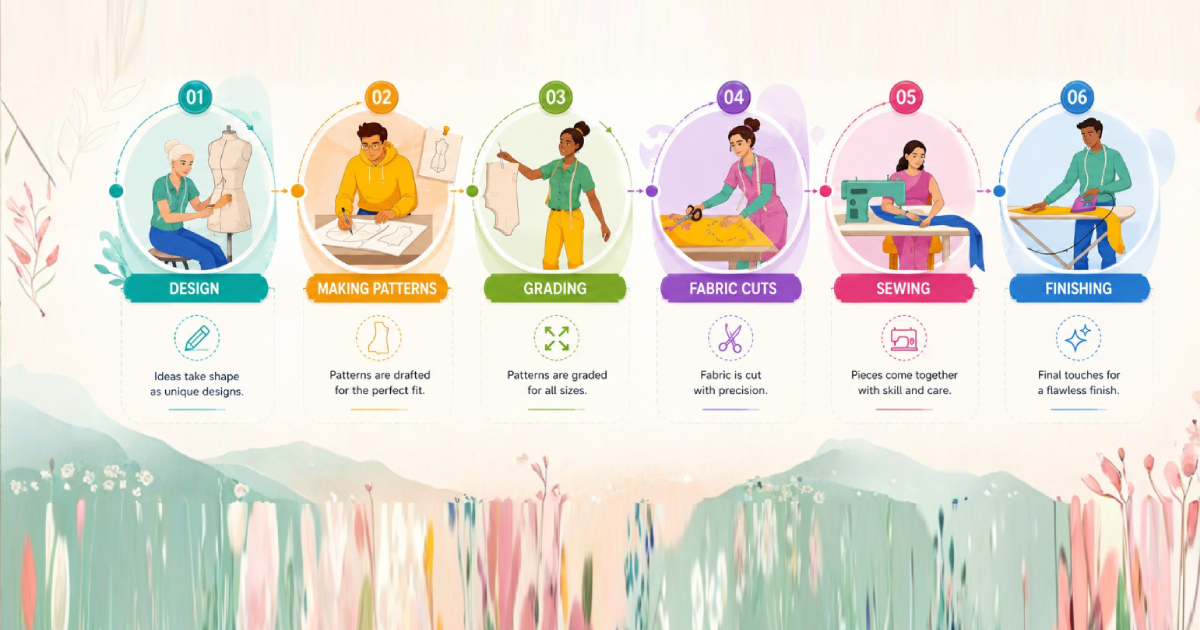 Step-by-Step Garment Manufacturing Process
 Custom Streetwear Manufacturer for Global Brands
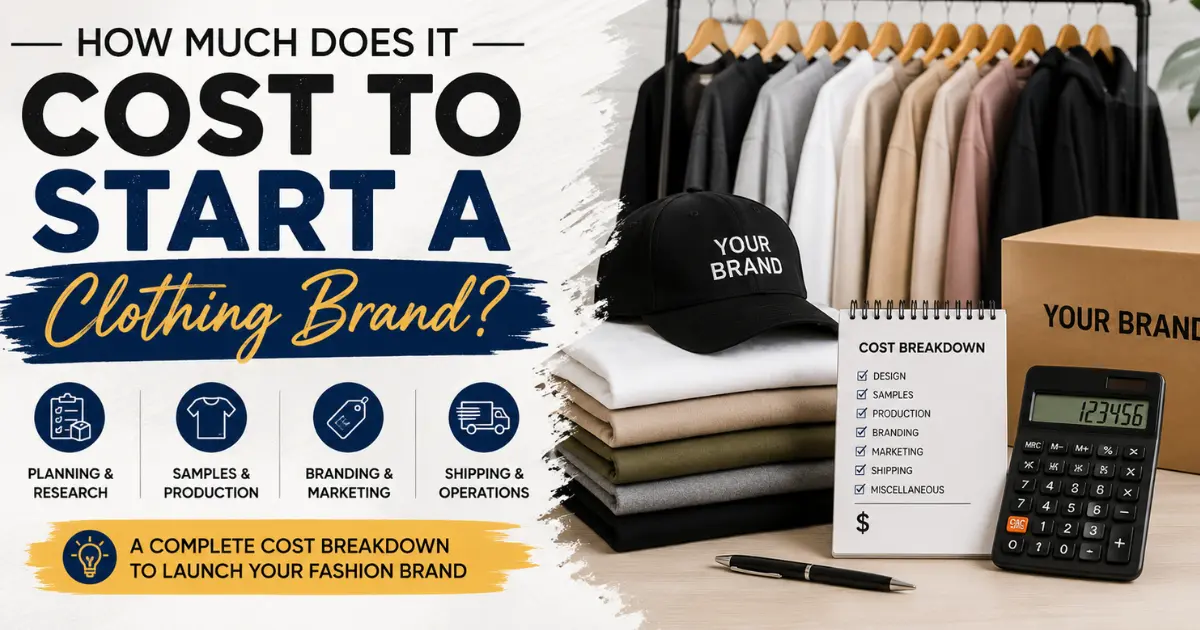 How Much Does It Cost to Start a Clothing Brand?
 Best Garment Manufacturer Australian Brands
 Custom Clothing Production for European Fashion Brands
 Sustainable Hoodie Manufacturer for Startups
 Top 25 Women's Western Wear Trends
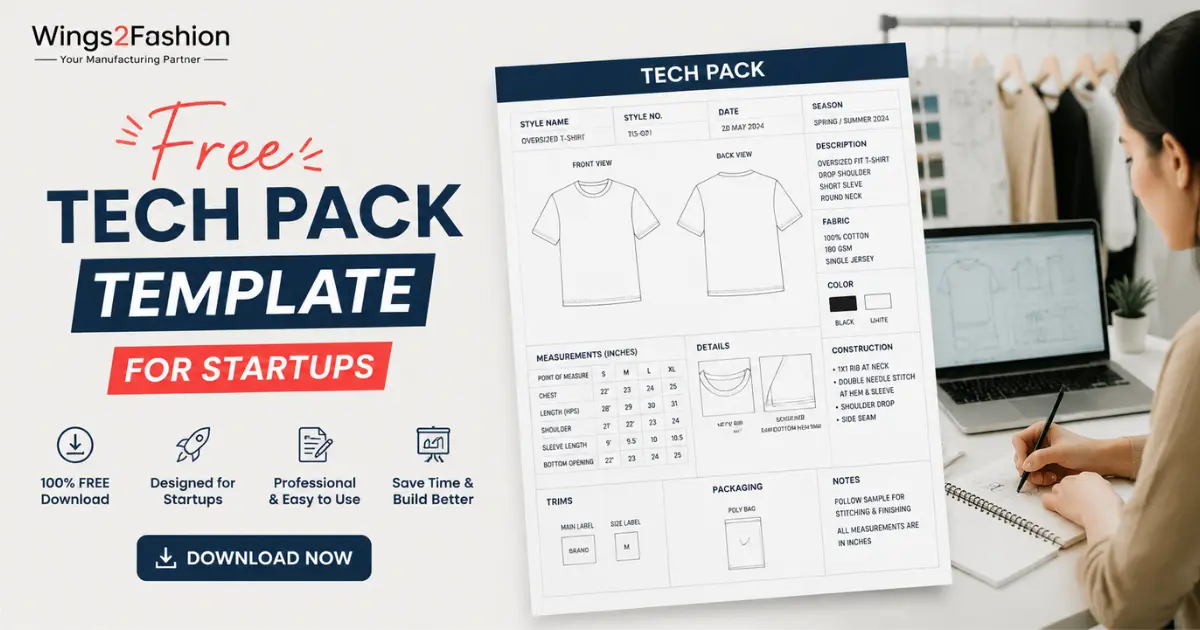 Free Tech Pack Template for Startups
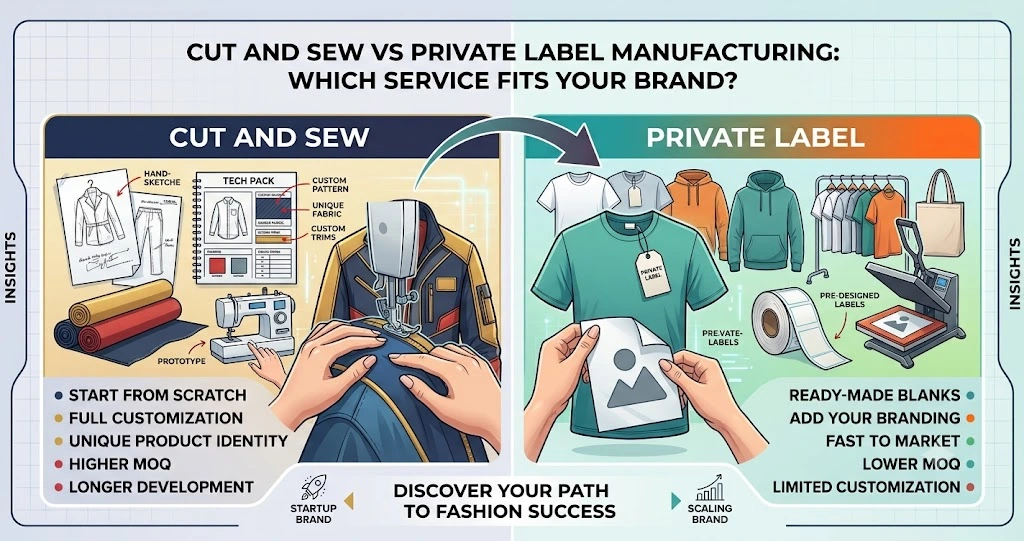 Cut and Sew vs Private Label Manufacturing
 MOQ in Clothing Manufacturing
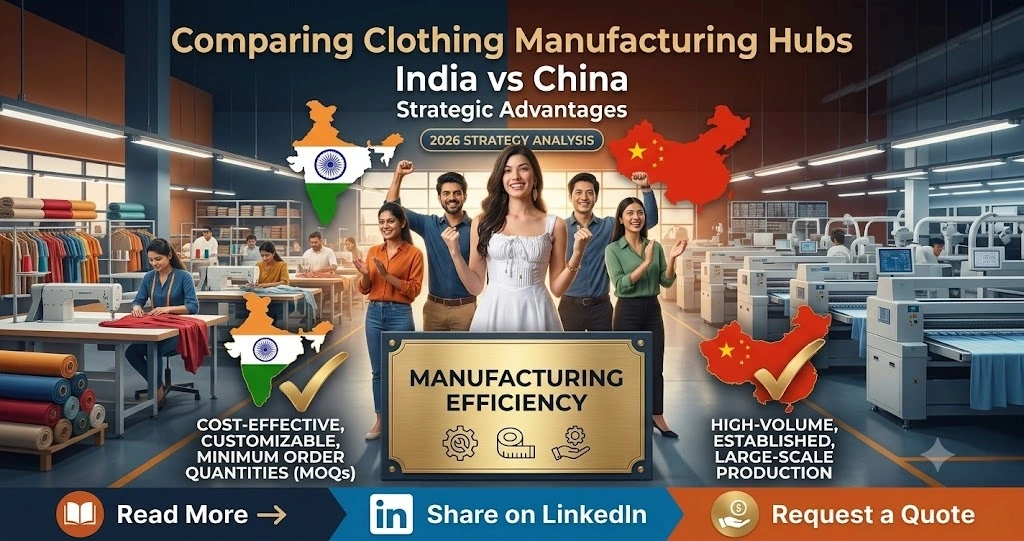 India vs China Clothing Manufacturing
 Custom Clothing Manufacturer for UK Brands
 Plus Size Clothing Manufacturing
 Athleisure Manufacturing Trends
 Best Trending Styles Polo T-Shirts for Men
 Top 10 Custom Tracksuit Manufacturers With Low MOQ
 Black Essentials Hoodie Outfit Ideas for Every Season
 Custom Jogger Manufacturing Tech Pack Bulk Production
 2026-10-13
 Suraj Vats





Leave A Comment