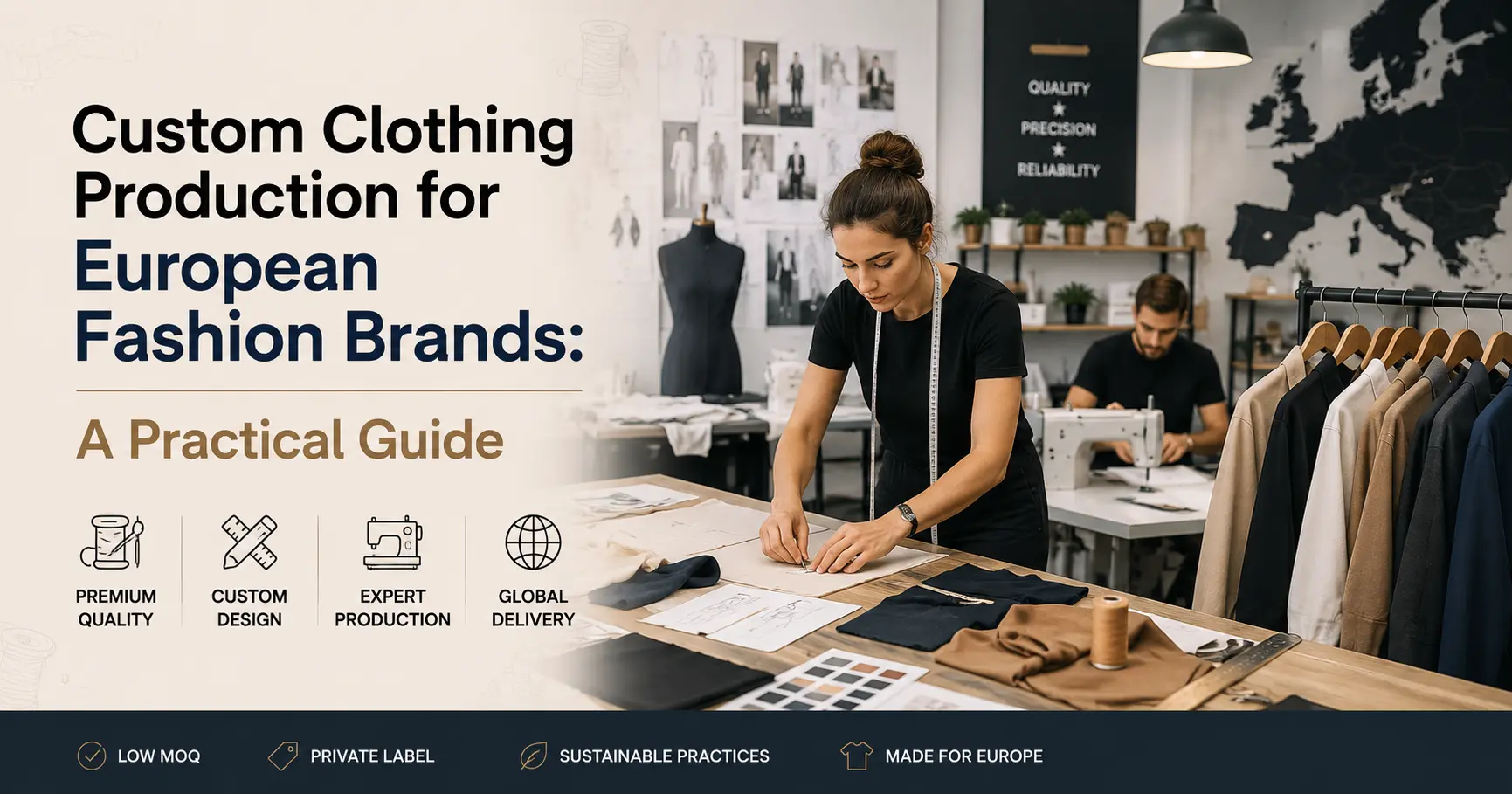
Custom Clothing Production for European Fashion Brands: A Practical Guide
European fashion brands face a tricky balance. They want quality. They want speed. And they want costs that don't eat their margins alive.
That's where custom clothing manufacturing in India comes in. Specifically, Delhi-based production houses that understand European market demands.
Let's break down what actually matters when you're sourcing custom apparel production for the UK, Germany, France, Italy, or anywhere else in the EU.
Why European Brands Are Looking Beyond Local Manufacturing
Local manufacturing in Europe is expensive. Labor costs are high. Lead times can stretch out because of limited factory capacity. Many small and mid-sized brands simply can't compete on price if they manufacture domestically.
So brands look outward. India has become a go-to option. Why? A few reasons stand out.
First, the cost advantage is real. Production costs in India run significantly lower than in Western Europe, without sacrificing fabric quality or stitching standards.
Second, India has decades of garment export experience. Factories here have worked with international brands for years. They understand compliance standards, quality checks, and shipping logistics that European buyers expect.
Third, flexibility. Many manufacturers offer low minimum order quantities. That's huge for emerging European labels that can't commit to bulk orders right away.
What "Custom" Actually Means in Garment Production
Custom clothing production isn't just picking a template and changing the logo. It's a full process. Here's what it typically includes:
- Pattern making. Your designs get turned into wearable patterns. This step decides fit, drape, and overall silhouette.
- Fabric sourcing. Cotton, linen, blends, technical fabrics—whatever your brand needs. Good manufacturers source materials that match European quality expectations.
- Sample development. Before mass production starts, you get samples. This is where you approve fit, fabric feel, and finishing details.
- Bulk production. Once samples are approved, the factory scales up. This stage needs tight quality control to keep every piece consistent.
- Finishing and packaging. Labels, tags, folding, packing—all customized to your brand's specifications.
A manufacturer that handles all five stages under one roof saves you time. You're not juggling multiple vendors or chasing different teams for updates.
What European Brands Should Look for in a Manufacturing Partner
Not every garment factory is built for export work. Here's what separates a solid manufacturing partner from a risky one.
Compliance with EU Standards
European markets have strict regulations. REACH compliance for chemical safety. OEKO-TEX certification for textile safety. Labeling requirements that differ by country.
A manufacturer experienced with EU exports already knows these rules. They won't need a crash course halfway through your order.
Communication and Time Zone Management
This sounds small. It isn't. India is several hours ahead of most of Europe. A manufacturer who responds quickly, even outside standard working hours, makes the whole process smoother.
Look for partners who use clear communication tools. WhatsApp updates, scheduled video calls, shared production trackers. Anything that keeps you informed without constant follow-up emails.
Minimum Order Quantities (MOQs)
European startups and boutique labels often can't order 5,000 units per style. Look for manufacturers offering MOQs as low as 100–300 pieces per style. This lets smaller brands test designs without overcommitting capital.
Sample Turnaround Time
Fast samples mean faster product launches. If a manufacturer takes three weeks just to send a sample, that's a red flag. Strong manufacturers turn around samples within 7–10 days.
Logistics and Shipping Experience
Shipping from India to Europe involves customs documentation, freight forwarding, and sometimes warehousing. A manufacturer who's shipped to Germany, the Netherlands, or the UK before will navigate this faster than one doing it for the first time.
Common Garment Categories European Brands Source from India
Not all product categories are equal when it comes to overseas manufacturing. Some categories work better than others for custom production abroad.
- Streetwear and casualwear. T-shirts, hoodies, joggers. These are high-volume, relatively simple to produce, and ideal for testing new brand lines.
- Activewear and athleisure. Growing demand across Europe, especially Germany and Scandinavia. Technical fabric sourcing matters more here.
- Sustainable and organic clothing. European consumers increasingly demand eco-conscious fashion. Indian manufacturers with organic cotton and GOTS certification cater well to this segment.
- Workwear and uniforms. B2B European companies often source bulk uniform orders from Indian factories due to cost efficiency.
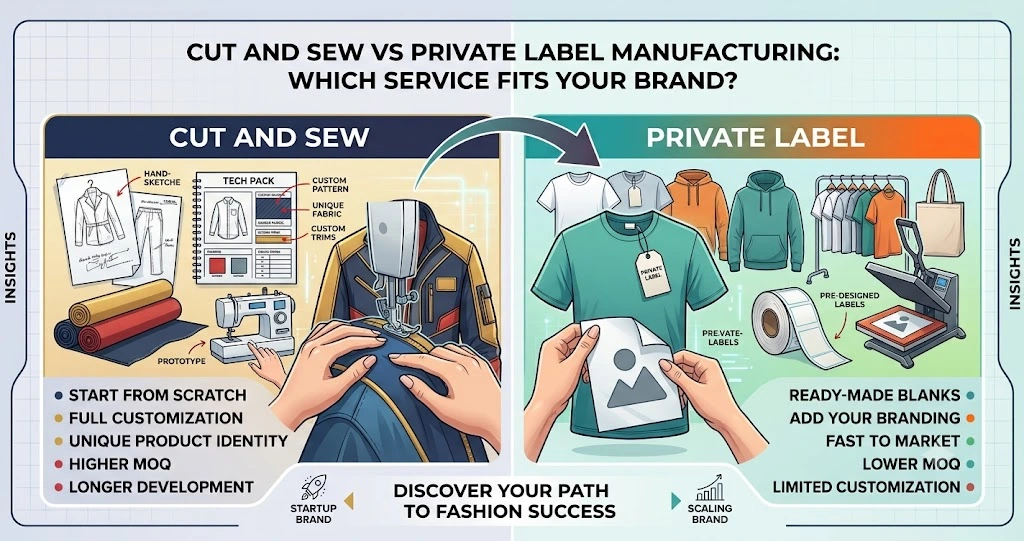
- Private label fashion. Many European boutique brands build entire collections through private label manufacturing, where the factory handles design execution from scratch.
Country-Specific Considerations Within Europe
Different European countries have slightly different sourcing priorities. Worth understanding before you finalize a manufacturing partner.
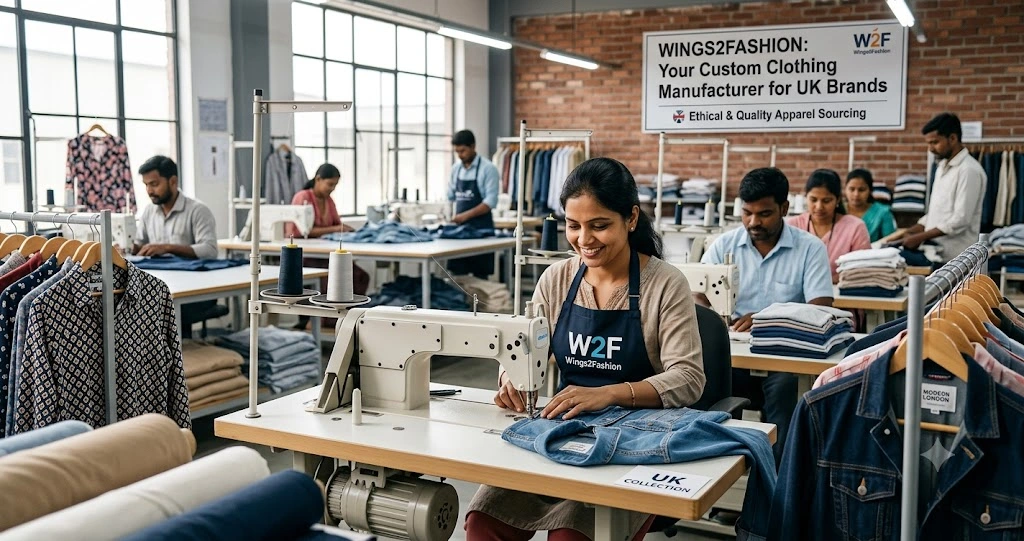
UK fashion brands often prioritize fast fashion cycles. Speed matters here more than anywhere else. Manufacturers need to handle quick turnarounds without compromising on finishing quality.
German buyers tend to focus heavily on compliance documentation and sustainability credentials. Be ready to provide certifications upfront. German clients also expect precise communication and punctuality.
French fashion brands, especially boutique and luxury-adjacent labels, care deeply about fabric quality and finishing detail. Sampling accuracy matters more here than in bulk-focused markets.
Italian buyers often look for craftsmanship-level stitching, even in mid-range price points. Manufacturers need skilled tailoring teams, not just mass-production lines.
Nordic Countries (Sweden, Denmark, Norway)
Sustainability is non-negotiable here. Brands from this region usually request organic or recycled fabric options and transparent supply chain documentation.
Understanding these nuances helps you choose a manufacturing partner that's actually equipped for your specific market, not just generically "experienced."
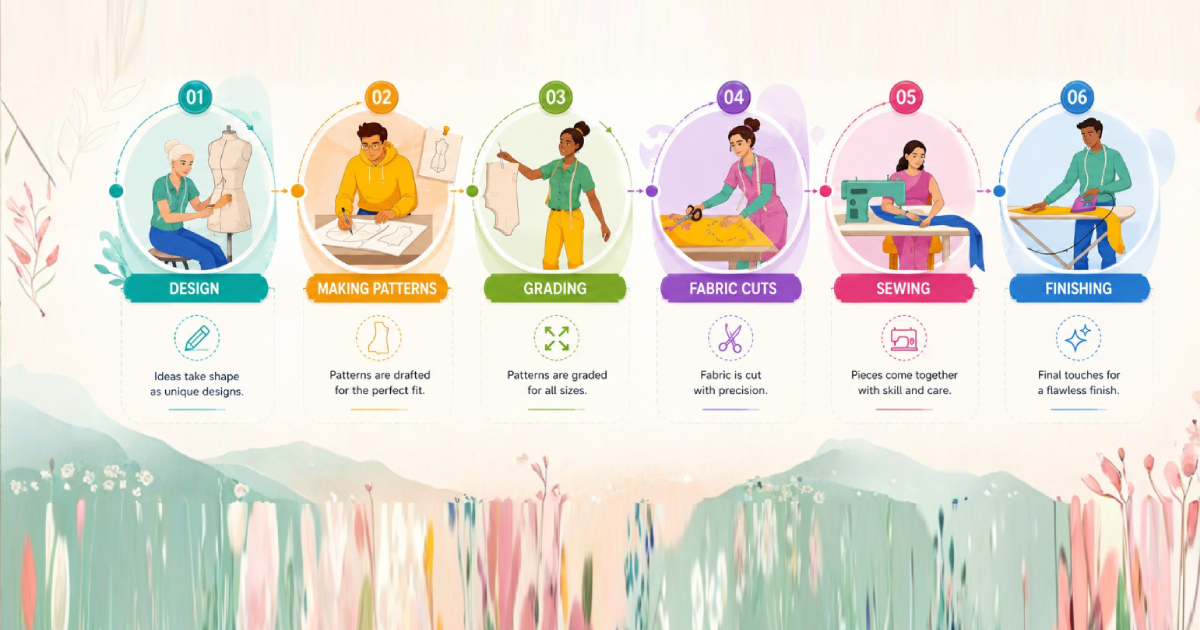
How the Production Process Typically Works, Step by Step
If you're new to overseas manufacturing, here's a simplified breakdown of what working with an Indian garment manufacturer usually looks like.
- Initial consultation: You share your designs, tech packs, or reference images.
- Costing and quotation: The manufacturer provides pricing based on fabric, quantity, and complexity.
- Sample development: A prototype is made for your approval.
- Revisions: You request changes if needed. This can take one or two rounds.
- Bulk order confirmation: Once samples are approved, you place the full order.
- Production: Cutting, stitching, quality checks happen in stages.
- Final inspection: Quality control before packing.
- Shipping: Export documentation, freight booking, and delivery to your warehouse.
The whole cycle, from sampling to shipped goods, usually takes 45–90 days depending on order size and product complexity.
Why This Matters for Growing European Brands
Here's the real upside. Manufacturing in India doesn't mean cutting corners. It means accessing the same production quality at a fraction of European costs, freeing up budget for marketing, design innovation, or expanding your product line.
Smaller European labels especially benefit. Lower MOQs mean less financial risk. Faster sampling means quicker time-to-market. And experienced manufacturers mean fewer surprises during production.
It's not about replacing European craftsmanship. It's about scaling smart, without draining cash reserves on production alone.
Final Thoughts
Custom clothing production for European fashion brands is about more than reducing manufacturing costs—it's about building a reliable, long-term partnership that supports your brand's growth. The right clothing manufacturer should offer transparent communication, flexible MOQs, consistent quality, compliance with international standards, and dependable production timelines.
If you're launching a new label, our guide on How Much Does It Cost to Start a Clothing Brand? can help you understand the investment required before moving into production. For brands focused on premium urban fashion, explore Custom Streetwear Manufacturer for Global Brands to learn how specialized manufacturing can elevate your collection.
Startups can also benefit from our insights in Best Clothing Manufacturers for Startups in USA, where we explain what to look for when selecting a trusted production partner. To better understand how garments are developed from concept to shipment, read our Step-by-Step Garment Manufacturing Process guide.
Take the time to evaluate your manufacturing partner by requesting samples, reviewing production capabilities, and assessing quality standards. The right manufacturer doesn't just produce garments—they become a valuable partner in building a successful fashion brand for the European market and beyond.
 +919540322227
 info@wings2fashion.com



 Category

 Best Clothing Manufacturers for Startups USA
 Step-by-Step Garment Manufacturing Process
 Custom Streetwear Manufacturer for Global Brands
 How Much Does It Cost to Start a Clothing Brand?
 Best Garment Manufacturer Australian Brands
 Sustainable Hoodie Manufacturer for Startups
 Top 25 Women's Western Wear Trends
 How to Verify a Clothing Manufacturer Before You Pay a Deposit
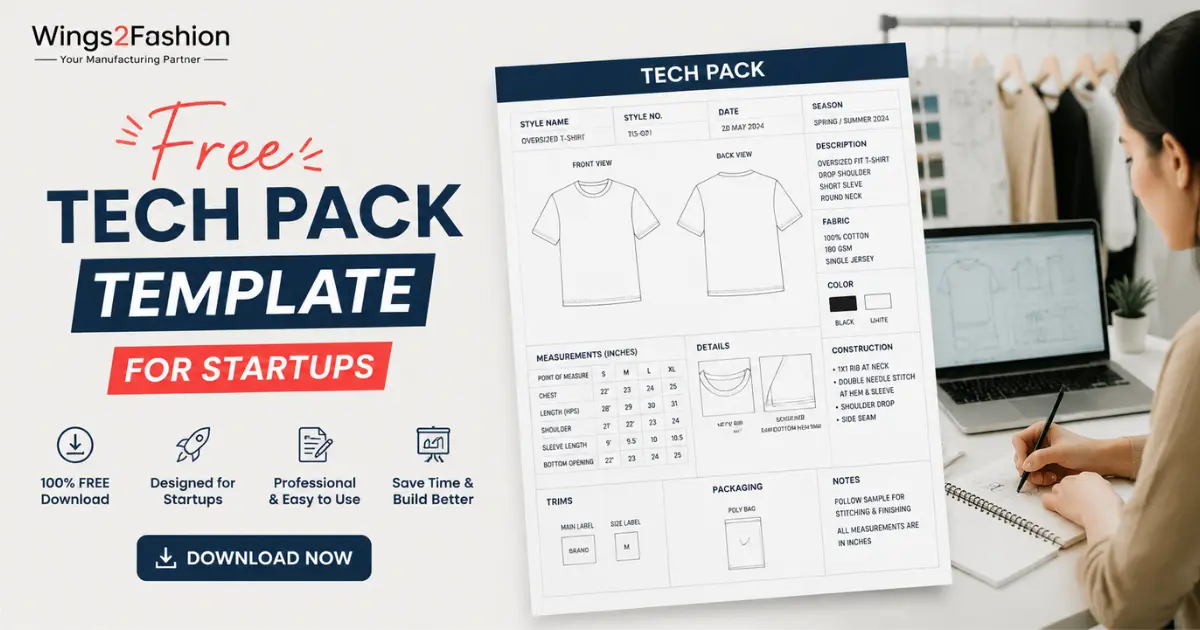 Free Tech Pack Template for Startups
 Cut and Sew vs Private Label Manufacturing
 MOQ in Clothing Manufacturing
 India vs China Clothing Manufacturing
 Custom Clothing Manufacturer for UK Brands
 Plus Size Clothing Manufacturing
 Athleisure Manufacturing Trends
 Best Trending Styles Polo T-Shirts for Men
 Top 10 Custom Tracksuit Manufacturers With Low MOQ
 Black Essentials Hoodie Outfit Ideas for Every Season
 2026-09-12
 Suraj Vats





Leave A Comment