+919540322227
 info@wings2fashion.com


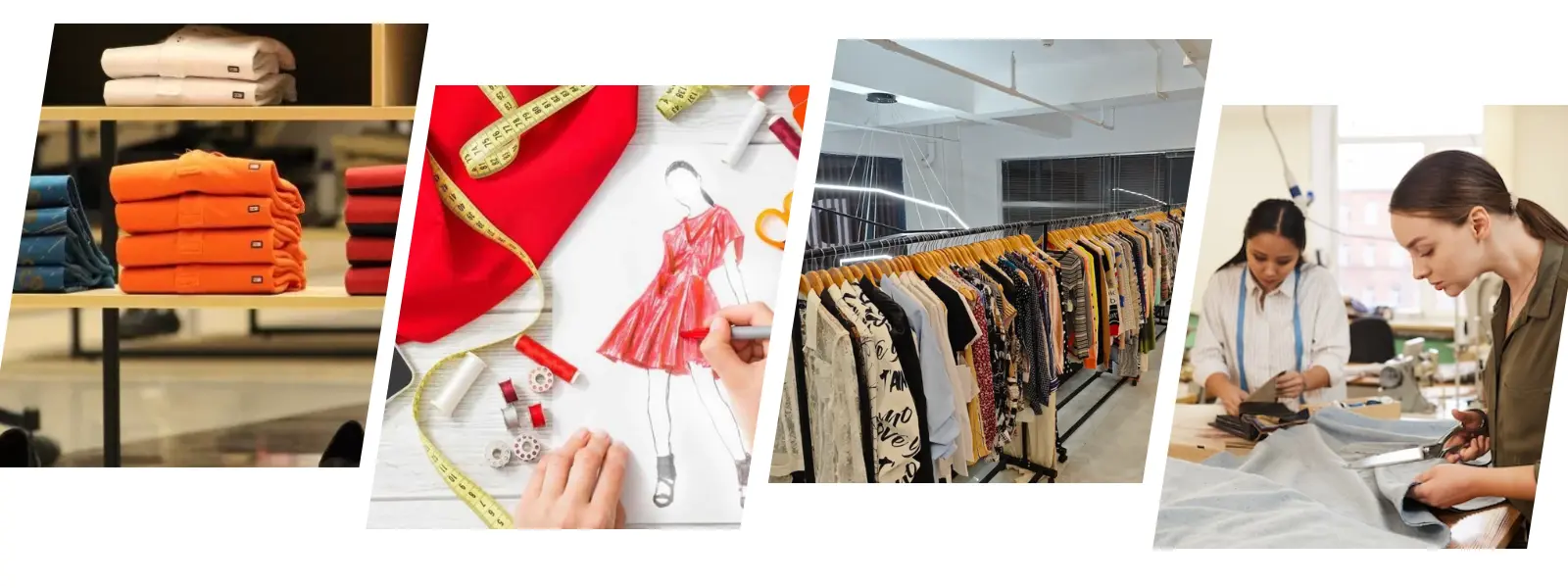
Most clothing brand distributorship offers put a business owner between two parties: the brand that sets the terms and a factory the brand itself does not control. Wings2Fashion removes that gap. As an export house that has run its own in-house manufacturing since 2014, Wings2Fashion is opening its distribution network to partners across India and internationally, backed by direct control over production, fabric sourcing, and quality, not a supply chain managed through a third party.
This page is for two kinds of readers: business owners actively searching for a clothing brand distributorship to invest in, and Wings2Fashion contacts evaluating whether a Wings2Fashion distributor partnership fits their market. Both should walk away with a clear picture of what the opportunity involves, what Wings2Fashion provides, and how to apply.
The market timing behind an apparel distributor opportunity in India has rarely looked stronger. IBEF, the India Brand Equity Foundation, projects India's retail sector to exceed 2,361.11 billion US dollars by 2030, up from 1,093.89 billion dollars in 2025, with organised retail expected to capture more than 35 percent of that total. Within apparel specifically, CareEdge Ratings' analysis reported by Franchise India values the Indian apparel market at roughly 9.30 lakh crore rupees in 2024-25, projected to reach 16 lakh crore rupees by FY30, with organised retail, currently about 41 percent of the market, growing faster still at 10 to 13 percent annually.
Euromonitor International reports that apparel and footwear retail value sales in India grew 8 percent in 2025, driven by rising disposable incomes and a growing preference for branded product over unbranded alternatives, particularly outside the largest metro markets. For a prospective distributor, this combination- a market this size still growing in double digits in its organised segment- means a clothing brand distributorship signed today is entering expansion rather than a mature, saturated category.
The growth is not limited to one segment or channel. The same CareEdge Ratings analysis reported by Franchise India notes that value fashion, currently estimated at 3.5 lakh crore rupees, is projected to grow to 5.0 lakh crore rupees by 2029-30, while online apparel channels, which already account for about 22 percent of organised retail, are expected to reach nearly 25 percent of the market over the same period, translating to roughly 5.0 lakh crore rupees in online apparel sales alone. For a distributor evaluating where to focus, this means both the traditional retail channel and the online resale channel are expanding at the same time, rather than one growing at the other's expense. IBEF's retail projections add a further data point behind this growth: India's per capita income is expected to exceed 3,49,000 rupees by 2030, up from 2,34,859 rupees in FY25, a rise in disposable income that directly supports increased spending on branded apparel across the price segments a distributor is likely to carry.
Many prospective business owners weigh a clothing brand distributorship against launching their own independent label from scratch. The two paths carry very different risk profiles. Building an independent brand means funding original design development, pattern making, and marketing from a standing start, with no existing customer familiarity to draw on and no guarantee the product will find demand.
A distributorship reverses that risk profile. A Wings2Fashion distributor takes on an already-developed, already-produced product line, backed by an operational manufacturer rather than an idea still being tested. The distributor's core job becomes building local market reach, retailer relationships, and consistent stock availability, rather than solving product development and manufacturing reliability at the same time as trying to sell.
A Wings2Fashion distributor gets access to product, support, and infrastructure that a distributorship built around a brand with an outsourced supply chain typically cannot offer directly:
The bracketed items above are commercial terms specific to Wings2Fashion's distributorship model. They should be filled in with confirmed figures before this page goes live, since applicants will expect concrete numbers rather than a general description at this stage of the page.
Wings2Fashion is looking for distributor partners who bring:
Prior experience specifically in apparel is not a strict requirement. Distributors coming from general wholesale, textile trading, or retail backgrounds bring transferable infrastructure, warehousing, transport, and retailer relationships that matter as much as category-specific experience.
While every application is reviewed individually, four types of business owners tend to have the infrastructure and market position a Wings2Fashion distributorship is built around:
A candidate does not need to fit neatly into one of these profiles to apply. These are common starting points rather than a strict checklist, and Wings2Fashion reviews each application on its specific business fundamentals.
Becoming a Wings2Fashion distributor follows a defined sequence rather than an open-ended negotiation:
Applications that include a clear target territory and a short, specific description of existing business infrastructure, rather than a general expression of interest, tend to move through the territory and fit review stage faster, since Wings2Fashion can assess capacity and territory overlap immediately rather than requesting follow-up information first.
Distributorship support does not end once the first stock order ships. A Wings2Fashion distributor continues to receive updated catalogues and product imagery as new seasonal collections are developed, giving the distributor current material to share with local retailers rather than relying on launch-stage assets indefinitely. Reorder requests are handled through the same dedicated contact established during onboarding, which keeps stock replenishment consistent rather than routing repeat orders through a different process than the initial one.
For distributors expanding beyond their initial territory or adding product categories to their existing distribution business, the same review process used for the original application applies, evaluating capacity and market fit before extending the agreement rather than assuming automatic approval.
Product alone rarely builds a distribution business on its own, which is why marketing support is structured as an ongoing function rather than a one-time onboarding packet. A Wings2Fashion distributor typically receives:
This support is designed to reduce the marketing workload on a distributor's team, particularly for distributors who are strong on retail execution and logistics but do not have an in-house creative or marketing department of their own.
Wings2Fashion is recruiting distributors across two parallel tracks.
Pan India distributorship covers city, state, and regional territory rights across India, with particular opportunity in Tier II and Tier III cities, which IBEF's retail analysis identifies as a key growth driver behind India's expanding organised retail footprint, alongside metro markets where branded apparel demand is already established. Pan India availability spans all major regions:
Global distributorship builds on Wings2Fashion's existing export relationships across markets where the company already ships production, including the United States, United Kingdom, Canada, Australia, UAE, Germany, Italy, France, Spain, Belgium, Austria, Portugal, the Netherlands, New Zealand, Turkey, Japan, Thailand, Malaysia, Vietnam, the Philippines, Saudi Arabia, Qatar, Kuwait, Oman, Bahrain, and Jordan, among other regions. A global distributor benefits from Wings2Fashion's existing export documentation experience and international shipping infrastructure, rather than a manufacturer navigating cross-border logistics for the first time.
Specific territory availability changes as distributorship agreements are finalized. Prospective distributors should confirm current availability for their target city, state, or country directly with the Wings2Fashion team before proceeding with a formal application.
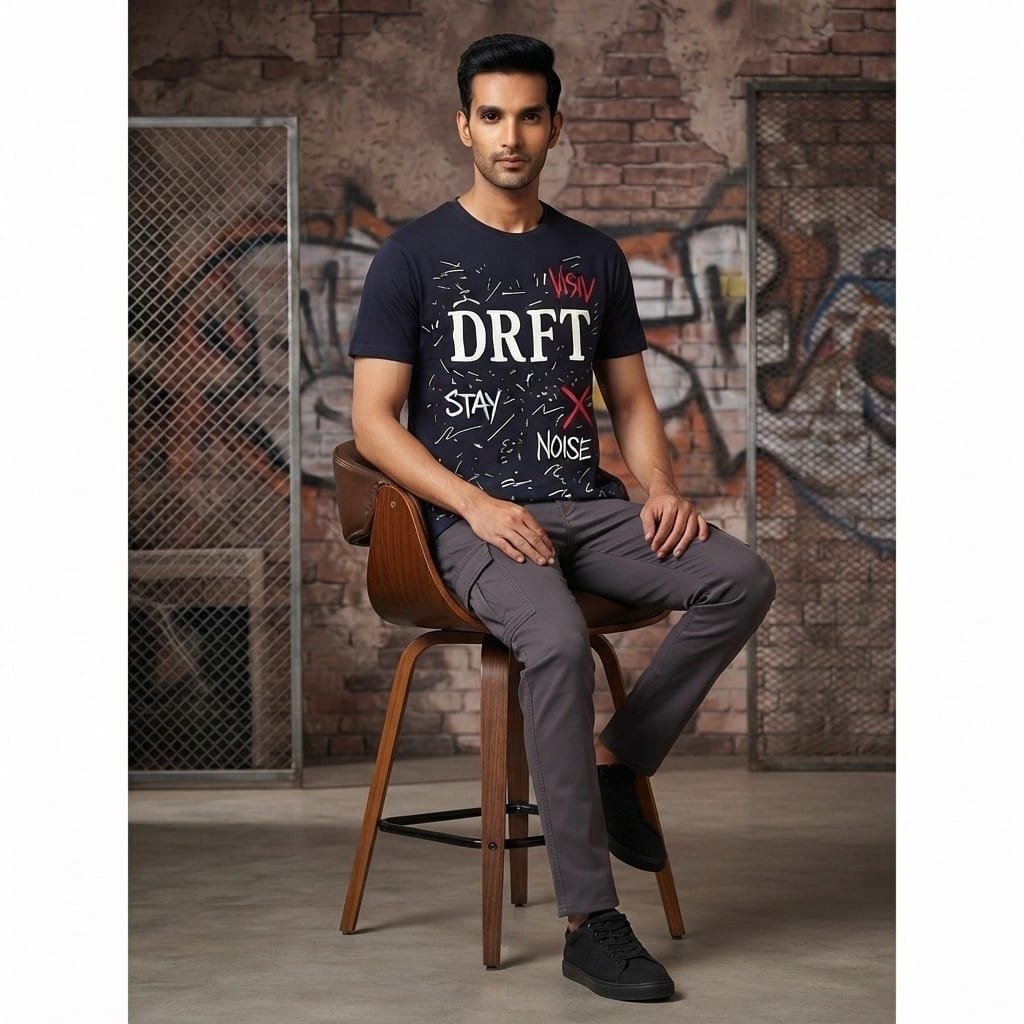
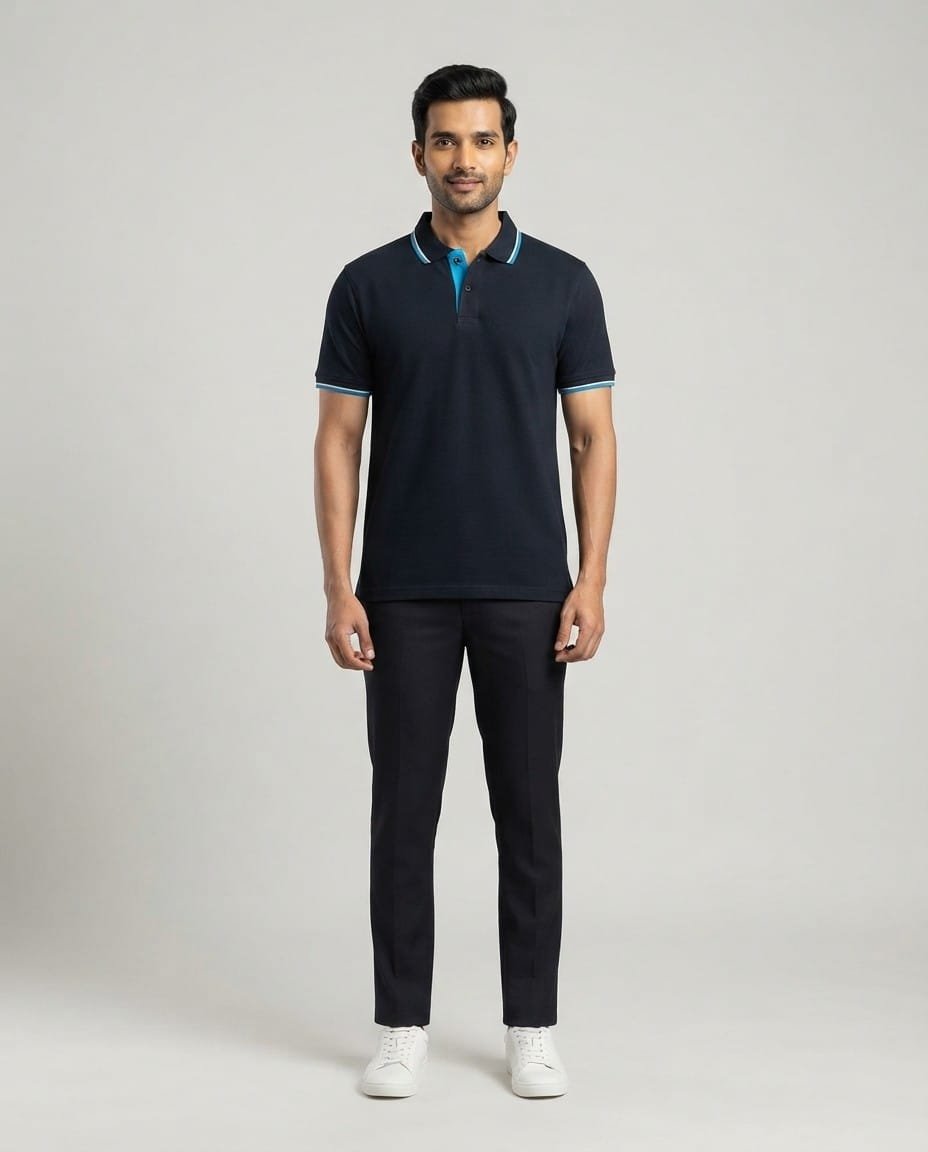
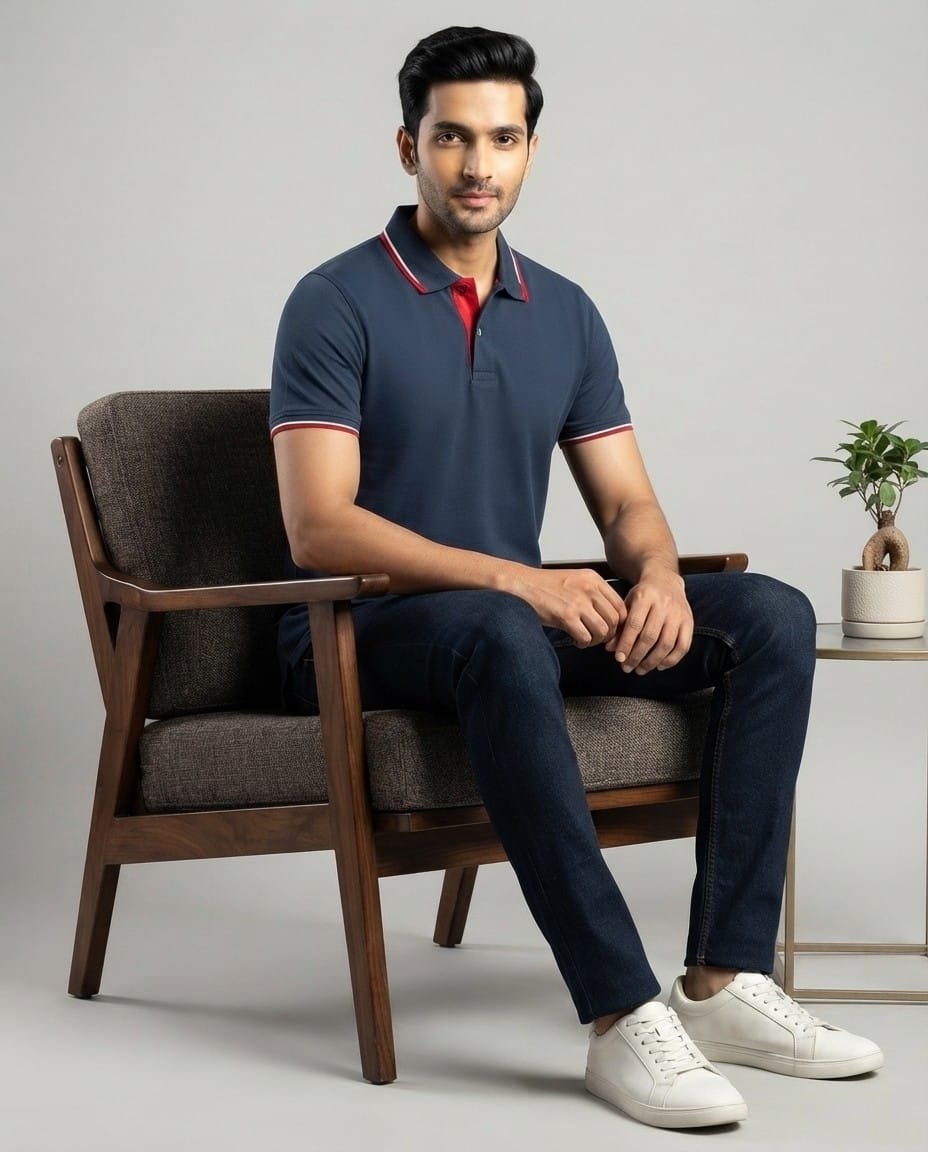
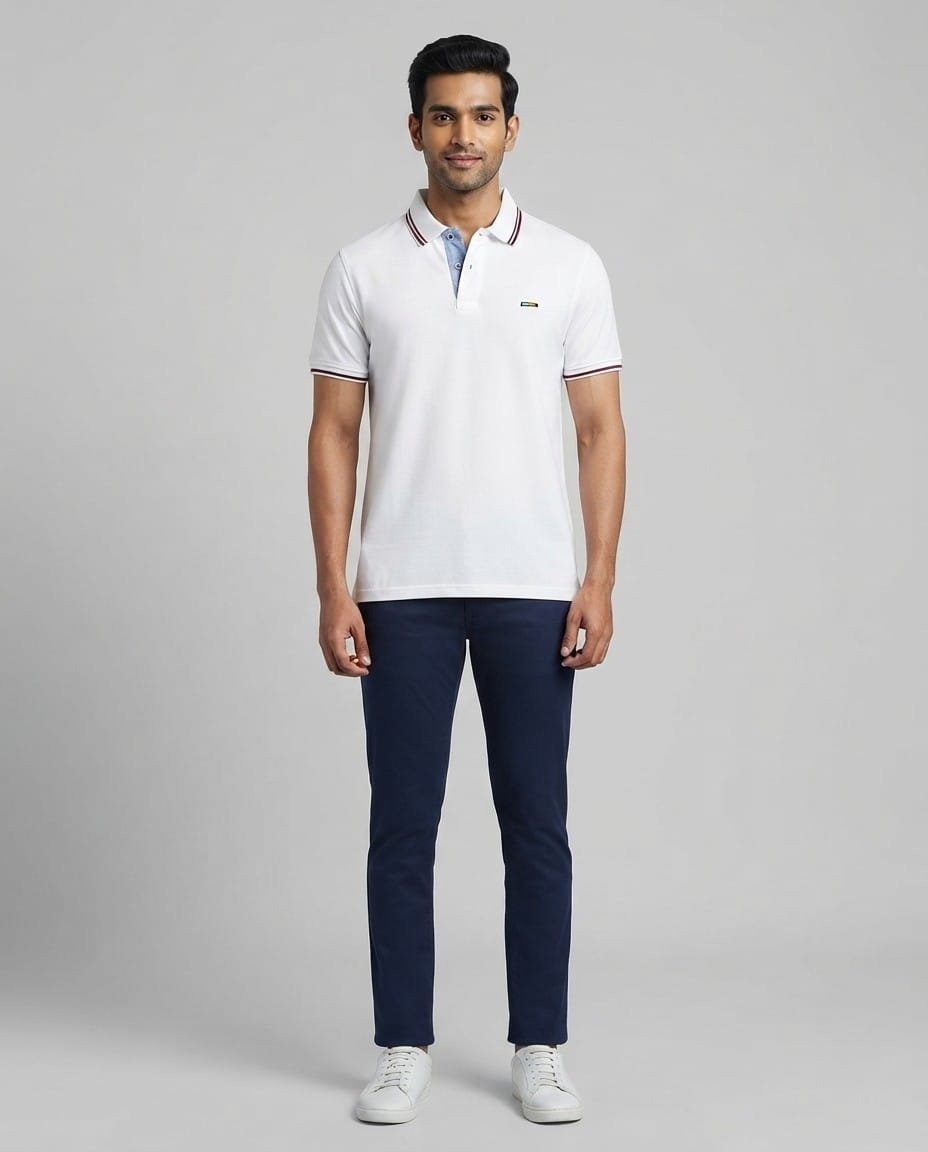
A Wings2Fashion distributor is not limited to a single narrow category. The distribution catalogue spans the same production range Wings2Fashion already manufactures at scale:
This range means a distributor is not dependent on a single product category performing well in their territory. A slowdown in one category, seasonal wear for example, can be offset by consistent demand in another, such as basics or activewear, giving a distribution business more stability than a single-category brand distributorship typically offers.
A Wings2Fashion distributorship is not designed as a fixed, one-time arrangement. Distributors who establish consistent order volume and reliable market performance in their initial territory are positioned to expand in two directions: adding adjacent territories, such as neighbouring states or cities, once the original market is running smoothly, or adding product categories beyond the initial focus, such as a distributor who started with menswear expanding into activewear once retailer relationships and stock forecasting are established.
This growth path rewards distributors who treat the first territory as a foundation to prove execution on, rather than distributors trying to secure the largest possible territory upfront before demonstrating consistent performance. A smaller initial territory handled well is typically a stronger basis for expansion discussions than a large territory that struggles with stock consistency or retailer coverage from the outset.
Wings2Fashion has operated as an export garment house since 2014, running a fully in-house production facility covering design development, fabric sourcing, pattern making, sampling, bulk production, finishing, and export shipping under one roof. The company has shipped to international markets across North America, Europe, the Middle East, and Asia-Pacific, and produces across women's wear, men's wear, kidswear, activewear, and accessories categories under ISO-certified production processes with multi-stage quality inspection.
For a distributor, this operational depth matters more than brand recognition alone. A distributorship built around a manufacturer with direct control over its own supply chain is less exposed to the stock shortages, quality inconsistencies, and price volatility that can affect a distributor relying on a brand that has, in turn, outsourced its own production to a third party it does not directly control.
Interested in a Pan India or international distributorship? Contact Wings2Fashion with your target territory and business background, and the team will confirm current availability and next steps.
No. Wings2Fashion evaluates applicants on business infrastructure, market knowledge, and working capital as much as category-specific experience, so distributors coming from general wholesale or retail backgrounds are considered.
Both. Wings2Fashion offers city-level, state-level, regional, and country-level distributorship depending on the market and applicant's capacity to service the territory.
A private label client commissions Wings2Fashion to manufacture products under their own brand name. A Wings2Fashion distributor instead sells Wings2Fashion's own branded product line within an agreed territory.
This depends on territory availability and how quickly terms are confirmed between the applicant and the Wings2Fashion team. Submitting a complete initial inquiry with territory and business background helps move the review stage along faster.
Territory exclusivity terms are discussed directly during the terms discussion stage and depend on the specific market and distributor commitment. Confirm current exclusivity terms with the Wings2Fashion team when applying.
No. A Wings2Fashion distributor typically has access to the full catalogue range, including women's wear, men's wear, kidswear, and activewear, which spreads demand across categories rather than depending on a single one.
Yes. Distributors who establish consistent order volume and reliable performance in their initial territory can apply to expand into adjacent territories or additional product categories, reviewed the same way as the original application.
Distributors receive professional product photography, seasonal look-books and catalogues, and co-brandable marketing collateral that can be adapted with local branding or retailer names, reducing the need for a distributor to produce marketing assets independently.
A clothing brand distributorship works best when the manufacturer behind it controls its own production, pricing, and quality rather than depending on a third-party factory. Wings2Fashion's in-house manufacturing model, export experience across dozens of countries, and structured onboarding process are built to give a distributor a stable foundation to build a local or regional apparel business on.
Ready to explore a Wings2Fashion distributorship for your city, state, or country? Get in touch with the Wings2Fashion team today with your target territory, or call +91-9540322227 to discuss availability directly.

Our use of modern technology, trained artisans, advanced knitting systems, and multi-stage QC makes us a leading name in T-shirt production.



Your trusted partner for custom clothing manufacturing, private label apparel, and fashion production. We create high-quality garments that help fashion brands stand out in competitive global markets.
Office Address: Wings2Fashion, D-72, Gali No. 1, Shiv Durga Vihar, Lakkarpur, Faridabad - 121009, Haryana.
+91-9540322227 | +91-9350000939
Follow us :
Registered Address: R S Enterprises, (Wings2fashion), C-49, Gali no. 15, Shiv Durga Vihar, Surajkund, Faridabad - 121009, Haryana
Branch Address: SKV Tradex, 1264, Parshu Ram Colony, Tehsil Camp, Panipat - 132103, Haryana.
Copyright © 2014-2026 wings2fashion.com | All rights reserved. | Website Design & Development by DigiLeef



 Category