Since the outbreak of the Coronavirus pandemic, the way we live, move, and interact has completely changed. Among all lifestyle changes, one thing became universal worldwide—the use of masks. Even after the pandemic peak, surgical masks, cotton masks, and protective face coverings continue to play a critical role in preventing infections.
Today, understanding how surgical masks work and how they help stop the spread of viruses, including COVID‑19 and other airborne diseases, is more important than ever. This guide explains everything about surgical masks, their types, their benefits, and why choosing the right mask manufacturer matters.
Why Masks Became Essential for Public Safety?
When COVID‑19 first spread globally, scientists discovered how easily respiratory droplets could transmit the virus. Sneezing, coughing, talking, or even breathing can release microdroplets into the air. Without protection, these droplets enter through the nose or mouth, leading to fast infection transmission.
Masks act as a physical barrier, blocking harmful particles and reducing viral spread. Even today, masks are recommended in crowded spaces, hospitals, airports, and high‑risk environments.
Types of Masks and Their Effectiveness
Not all masks offer the same level of protection. Here are the most commonly used types:
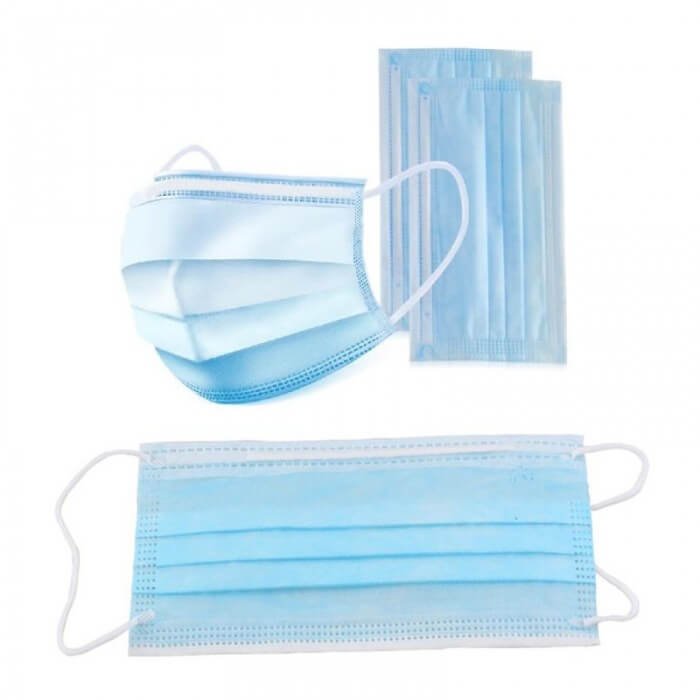
1. Surgical Masks (3‑Ply Masks)
Surgical masks are among the most widely used protective masks worldwide. They are commonly recommended for general public use and medical environments.
A typical surgical mask has three layers:
• Outer Layer: Made of non‑woven fabric that repels water, droplets, and dust.
• Middle Layer: Melt‑blown fabric that filters out viruses, bacteria, and micro‑particles.
• Inner Layer: Soft, absorbent fabric that absorbs moisture from breathing.
Why They Work
The melt‑blown layer acts like a static filter. It traps microscopic particles and prevents them from passing through. This is why a good-quality 3‑ply mask can provide strong protection, comparable in some cases to higher-grade masks when used correctly.
2. N95 and FFP2 Masks
These masks offer a higher level of filtration, blocking 95% or more airborne particles. They are commonly used by medical staff, frontline workers, and individuals in high-risk environments.
Benefits
- Tight face sealing
- High filtration efficiency
- Multi‑layer protection
They are extremely effective for virus protection but may not be comfortable for long everyday use.
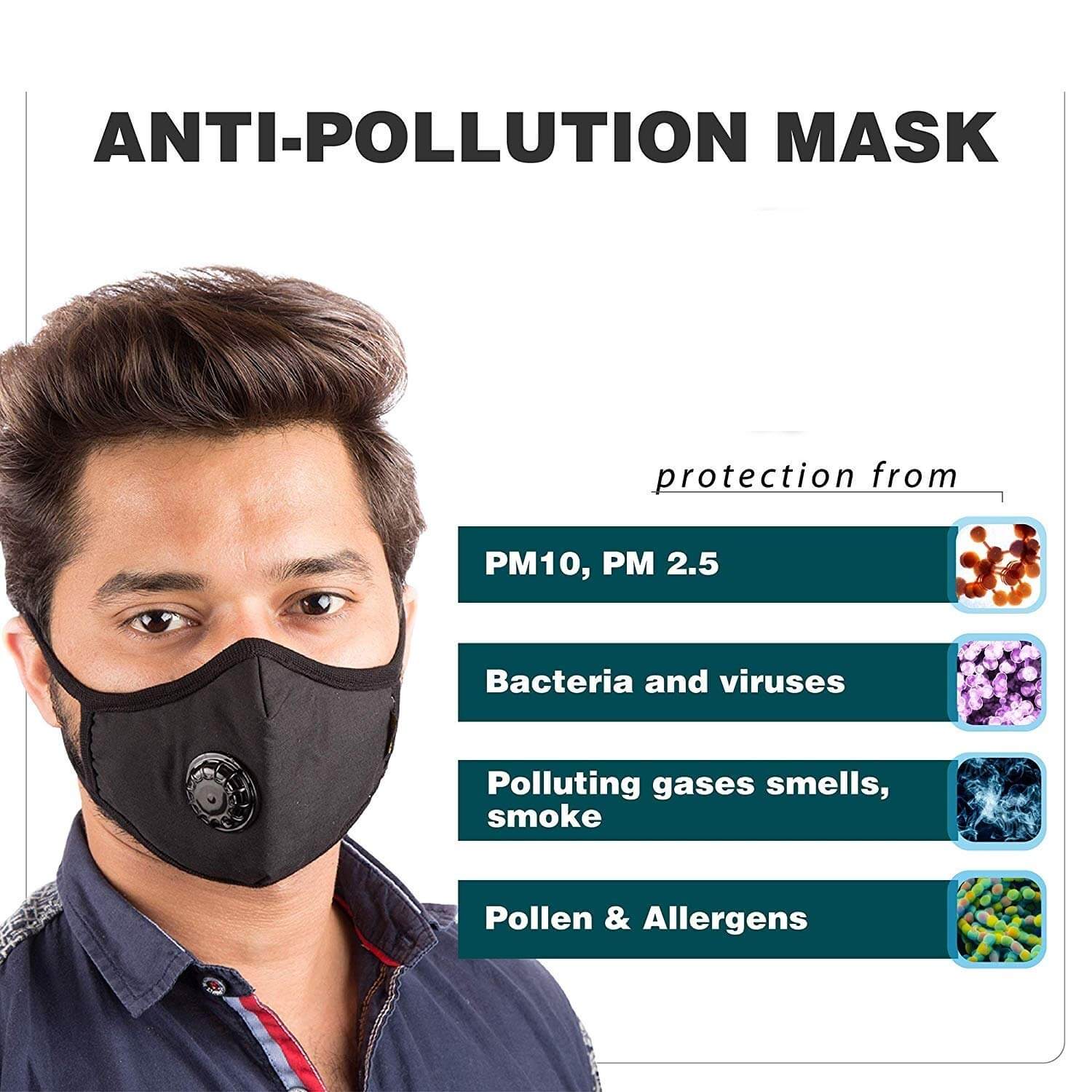
3. Designer Cotton Masks
Designer cotton masks became popular due to comfort, reusability, and affordability. They are preferred by many users because they are:
• Easy to wash
• Gentle on skin
• Eco‑friendly
• Available in stylish prints
While cotton masks may not offer the same filtration level as surgical masks, they work well for day-to-day use—especially when made with multiple layers.
High-quality cotton masks from Cotton Mask Manufacturers in India and Designer Mask Exporters often include inner filter pockets for added protection.
How Surgical Masks Prevent Infectious Viruses?
Surgical masks work through filtration, absorption, and droplet blocking. Here’s how they protect:
1. Blocking Microdroplets
When someone coughs, sneezes, or talks, they release tiny droplets. Surgical masks trap these droplets, preventing them from reaching others.
2. Filtering Harmful Particles
The melt‑blown middle layer is electrostatically charged. It captures particles like:
- Virus aerosols
- Bacteria
- Allergens
- Dust
This reduces exposure to infectious agents.
3. Protecting Others and Yourself
Wearing a surgical mask isn’t just about self-protection—it protects people around you. If you are unknowingly infected, a mask reduces the risk of transmission by shielding outgoing droplets.
4. Preventing Touch-Based Infections
Many infections spread by touching the face. Masks reduce the chances of touching your nose and mouth, lowering the risk of contamination.
The Global Demand for Surgical Masks and Cotton Masks
During the height of the pandemic, the demand for masks increased dramatically. Today, the need continues not only for medical and healthcare facilities but also for everyday use.
This led to a huge rise in mask production globally, with many companies manufacturing:
- 3-ply surgical masks
- N95/FFP2 masks
- Reusable cotton masks
- Printed designer masks
- Kids’ face masks
However, authenticity and quality became a major concern. Many low-quality products entered the market.
This is why choosing trusted Mask Manufacturers in India and certified mask exporters is crucial.
What to Look for in a Trusted Mask Manufacturer?
Choosing the right manufacturer ensures safety and long-term protection. Here are key things to look for:
1. Quality Certification
Reliable manufacturers follow safety standards such as:
- ISO Certifications
- CE Certification
- FDA approvals (for surgical masks)
2. High-Quality Materials
Premium masks use:
- Non‑woven polypropylene
- Melt‑blown filtration layers
- Soft breathable inner fabric
3. Consistent Production Standards
Trusted manufacturers focus on:
- Sterile production units
- Quality checks
- Proper sealing and packaging
4. Experience in Exports
Experienced Mask Exporters in India provide premium masks globally across Europe, USA, Middle East, and Asia.
Designer Cotton Masks – Style Meets Safety

Designer cotton masks became a trend during the pandemic and are still widely used today. These masks offer:
- Soft comfort
- Stylish look
- Reusability
- Washable fabric
- Better airflow
They are popular among:
- Students
- Office workers
- Daily commuters
- Fashion-conscious users
Many Designer Cotton Mask Manufacturers create masks with multi-layer filtration and adjustable straps.
When Should You Wear a Mask Today?
Even though global restrictions have eased, masks are still recommended in:
• Hospitals and clinics
• Public transportation
• Crowded markets
• Airports and flights
• Schools
• Dusty environments
• Areas with pollution
People with weak immunity or health issues should continue using masks regularly.
How to Ensure Maximum Mask Protection?
Using a mask incorrectly reduces its effectiveness. Here’s how to stay protected:
- Wash hands before wearing or removing the mask
- Ensure a snug fit around nose and mouth
- Replace surgical masks after single use
- Wash cotton masks after every wear
- Avoid touching the mask frequently
- Dispose of masks safely
A mask is only effective when worn properly.
Surgical Masks vs. Designer Cotton Masks – Which Is Better?
Both masks have their own benefits. Your choice depends on your needs.
Choose Surgical Masks If You Need:
- Medical-grade protection
- Virus filtration
- Disposable hygiene
- High-risk environment safety
Choose Cotton Masks If You Need:
- Daily comfort
- Reusable and eco-friendly options
- Stylish designs
- Breathability
A combination of both is often ideal.
Final Thoughts: Why Masks Still Matter?
Surgical masks, cotton masks, and protective face coverings continue to safeguard millions worldwide. They help reduce infection risks, prevent airborne diseases, and ensure public health safety. Even beyond pandemics, masks will remain essential in hospitals, polluted cities, and crowded spaces.
Choosing trusted Mask Manufacturers in India, Cotton Mask Suppliers, and certified exporters ensures safety and long-term reliability.
Whether you need everyday comfort or medical-grade protection, the right mask can make a huge difference. Stay protected, stay informed, and choose masks that prioritize quality and safety.
Must Read: Best Face Masks to Protect Yourself from Infections