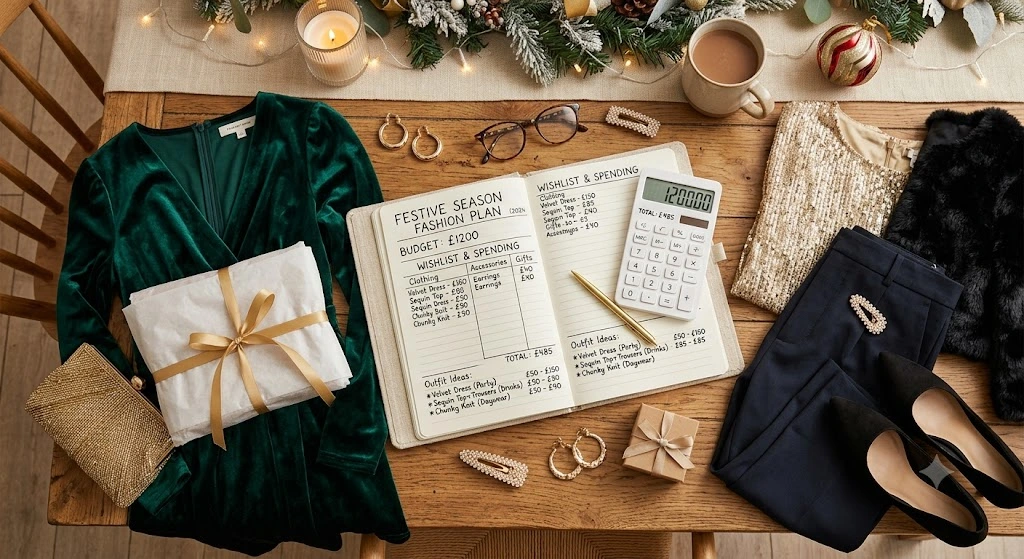
No festive season in India arrives quietly. For instance, Navratri comes with garba nights, Diwali comes with parties, and Dussehra comes with firework celebrations. In fact, even the wedding invites in India are stacked with three different cards, each one requiring a different outfit, a different level of formality, and a different answer to the question of how much you are willing to spend. Now, when it comes to festive fashion, they have two different approaches. Some people buy everything at once in a panic, the week before Diwali, and overspend. Otherwise, most people wait for the sales. But it also means everything is out of stock in their size, and they have to settle for second choices at prices that are not good either. But the smartest approach is to start before the sales open.
Why should you plan to buy your outfit budget before festive sales?
The festive sale window in India for all major online shopping platforms runs from September to October. It includes Amazon’s Great Indian Festival, Flipkart’s Big Billion Days, Myntra’s End of Reason Sale, and Nykaa Fashion’s Grand Festive Sale. Needless to say, there are genuine chances to save on fashion. However, they are best only for those who already know what they need. When you walk into a sale without a plan or idea of what you want, you can mostly end up with things that you don’t need, just because they have more discounts. Likewise, you can miss out on buying that Kurta or dress you actually want because it sold out first. In contrast, when you have a planned festive budget, it changes everything. You will have a list of items you need, apply an Amazon or Myntra coupon to the sale price, and get them without any regrets.
Step 1: Map Your Festive Calender First
Before you think about any budget numbers, write out every occasion or festive event between now and December that needs a specific outfit. Specifically, for most Indian households, the period between October and December is the most significant festive window. The probable list might look something like this:
- Navratri (Minimum 2-3 garba nights with different color themes)
- Dusshera
- Diwal (puja day and party evening)
- Dhanteras or Bahi Dooj
- One or two wedding invitations (pre-wedding functions, main ceremony)
- Office festive party or client event
- Christmas or New Year’s Eve
This means you may need 8 to 12 different outfits for three months. So, list them before you shop to prevent the most common festive mistake: buying one gorgeous outfit for Diwali and realizing you have nothing good to wear for the wedding next weekend.
Step 2: Categorize your outfits based on your spending priority
You don’t need to spend the same amount of money on each outfit for all the occasions mentioned above. Rather, sort them into three tiers before you buy anything to make the distribution process simpler:
Tier 1: High Investment occasions
You must spend more on your main Diwali outfit, wedding guest look, or any other event where you will be photographed extensively. These occasions are worth spending money on; choose quality fabric, a good fit, and something you will feel genuinely confident in.
Tier 2: Mid-investment occasions
For Navratri nights, family puja gatherings, and Dussehra, you can go for mid-investment. They are celebratory but slightly more relaxed in regard to formality. For example, a good ethnic set or a well-chosen saree does the same job without costing extra.
Tier 3: Reuse and Style
There are some occasions where you can style a previous outfit differently and make it work. This can be done at the office festive party or at casual Diwali drop-ins at friends’ places. So, the goal here is to close it without spending a dime. Usually, most Indian wardrobes have at least two outfits that can be refreshed with new accessories rather than replacing them. Therefore, identifying these before your shop reduces the total number of new purchases.
Step 3: Set a total budget and per-tier allocation
Once your occasion map is clear, set a total festive budget. A useful example for the same is given below:
| Budget Level | Total Allocation | Tier 1 (per outfit) | Tier 2 (per outfit) | Tier 3 |
| Conservative | Rs. 8,000-Rs. 12,000 | Rs. 3,000-Rs. 4,000 | Rs. 1,500-Rs. 2,000 | Restyle an existing outfit |
| Mid-range | Rs. 15,000-Rs. 25,000 | Rs. 5,000-Rs. 8,000 | Rs. 2,500-Rs. 3,500 | Rs. 500-Rs. 1,000 (accessories) |
| Premium | Rs. 30,000-Rs. 50,000 | Rs. 10,000-Rs. 18,000 | Rs.4,000-Rs. 6,000 | Rs. 1,500-Rs. 2,500 |
Your total budget should include accessories like jewelry, footwear, dupatta, and clutch, which are the categories most people forget to include. Eventually, they overspend in the last week before an event.
Step 4: Build Your Wishlist Before the Sales Open
This is the most important preparation step and the one most people skip. Just two weeks before the festive sale window opens, browse Myntra, Ajio, Nykaa Fashion, and the websites of any ethnic wear brands you like, such as Libas, Biba, FabIndia, Global Desi, and others, and add them to your wishlist or saved items.
Don’t buy yet, just build the list. It will help you do the following: This does the following:
- Gives you a clear sense of real pre-sale prices, so you can tell on day one of the sale whether the discount is real.
- Helps you shop fast. In turn, when the sale opens, you are not browsing, but are checking your list.
- Prevents impulse additions that did not feature in your original plan
So, the items on your Tier-1 list must be on the wish lists of at least two platforms. For example, the same lehenga set might be listed on both Myntra and Ajio. So, always compare it on the day of sale and buy whichever is cheaper.
Step 5: Apply a coupon before confirming any purchase
The festive sale price is the starting price, not the final one. You can always use a verified coupon code on top of a sale price, which is how the actual savings are calculated. Both Myntra and Ajio run active coupon codes throughout the festive season that most buyers never check before they confirm the order.
For example, a 10% Myntra coupon on a Rs. 4,000 lehenga set will help you save Rs. 400, which is enough for a dupatta or half a pair of earrings.
So, before you confirm any festive fashion purchase on Myntra, Ajio, Nykaa, Fashion, or Amazon Fashion, check DealsShutter. They list verified coupons for hundreds of brands, including fashion brands, on their platform. In fact, they update codes in real time during the festive sale window and clearly mark which ones are working for existing users. The discount code with sale price and a verified sale coupon code, plus a bank card instant discount, is the complete saving stack that would help you buy a Rs. 4,000 outfit for Rs. 3,200 or even Rs. 3,000.
Step 6: Buy the accessories first and not later
Accessories are the most budget-volatile category in festive fashion because people usually shop for them last, under time pressure, and often from whatever is immediately available to them rather than what carries the best value. So, try to buy accessories first, in the pre-sale window.
Otherwise, during the festive season, jewelry, clutches, and footwear easily go out of stock. So, buy 3-4 weeks before your first major event. Find exactly what you want, and have no time to replace something if it does not work. Accessories can anchor your outfit choices and build a Tier 1 outfit and jewelry by yourself. It will help you prevent buying a new outfit that needs a new pair of earrings.
Summing up,
The Festive fashion planning is not about spending less on what you love. It is also not about spending more than necessary on things you did not plan for, at prices that looked like deals but were not. Instead, it refers to a combination of an occasion map, a tiered budget, a pre-build wishlist, and a verified coupon code from DealsShutter.
So, before every purchase, follow this system that takes about two hours to set up, but would help you save a meaningful amount across the entire festive season. And when the first Diwali greeting comes in your inbox, you exactly know what you will wear and exactly what it costs, that is the actual festive gift you can give yourself.
Frequently Asked Questions
What are some budget outfit ideas?
Budget outfits mostly focus on versatile basics, clever styling, and neutral color foundations that look polished without costing much. So, some style tips to look expensive on a budget include: focus on fit, upgrade accessories, and choose natural fabrics.
How do I budget clothing?
To budget clothing, you can calculate your past spending, set a clear percentage limit of your income, and track your purchases by cost and use. Many financial observers suggest that you must cap your clothing and maintenance spending at roughly 5% of your net monthly or annual income.
What is the Gen Z fashion style?
Gen Z is more about personal expression, comfort, and mixing different eras rather than following a single rigid rulebook. They also have gender-fluid dresses like unisex cuts, baggy jeans, and oversized shirts.