Introduction to Natural Fabrics
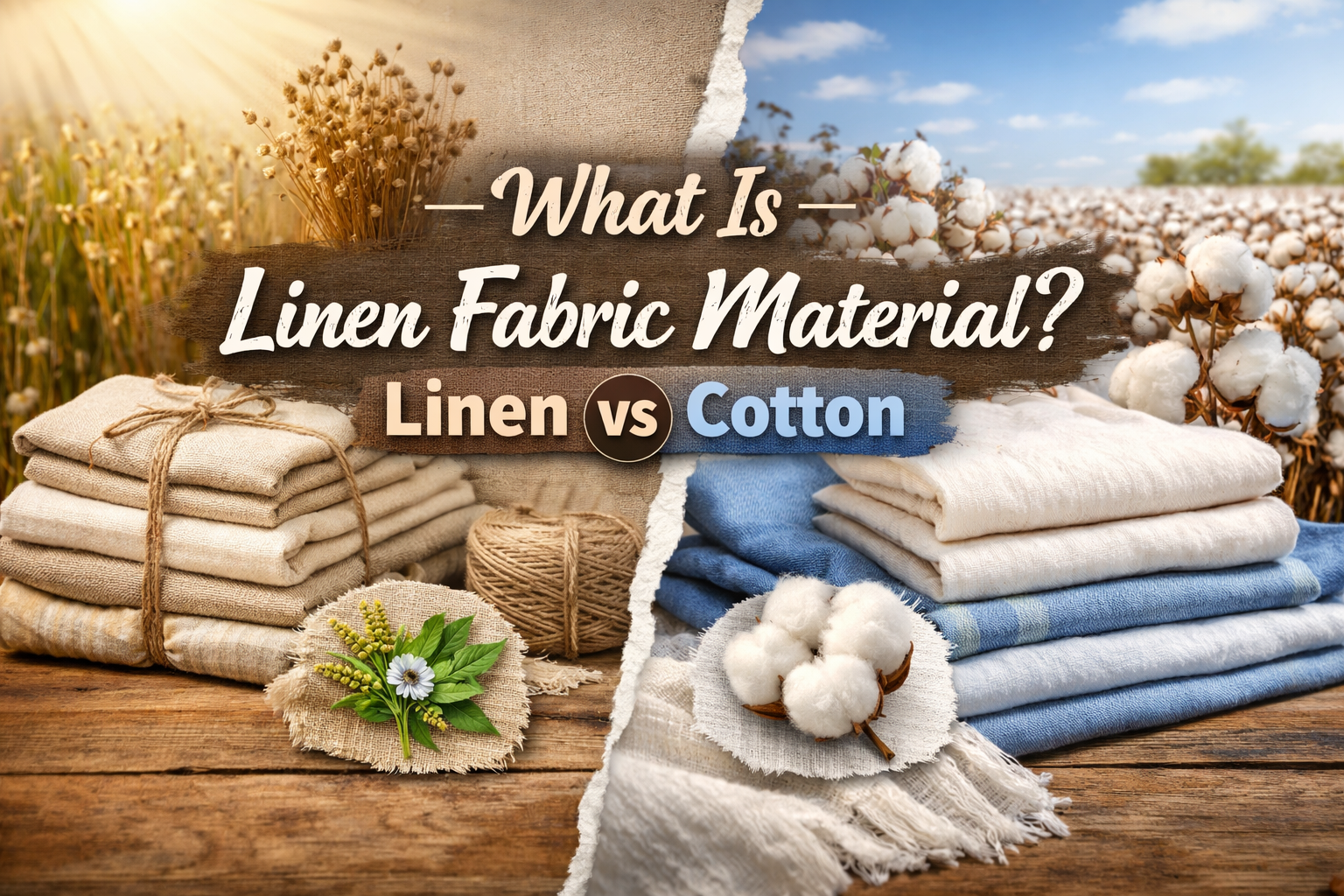
When it comes to clothing and home textiles, natural fabrics often steal the spotlight — and for good reason. They breathe better, feel more comfortable on the skin, and generally age gracefully. Among the most loved natural fabrics are linen and cotton. But what really sets them apart? Is linen truly better for summer? Is cotton always softer? Let’s unpack these questions in a simple, practical way so you can choose the right fabric for your lifestyle.
What Is Linen Fabric?
Linen is one of the oldest textiles in human history, yet it still feels modern and stylish. Made from the fibers of the flax plant, linen is known for its breathability, durability, and naturally elegant look.
History and Origin of Linen
Linen dates back thousands of years, with evidence showing it was used in ancient civilizations like Egypt and Mesopotamia. Ancient Egyptians even considered linen a symbol of purity and wealth. Imagine a fabric that has survived centuries of changing fashion — that’s linen for you.
How Linen Is Made from Flax Plants
The process starts with harvesting flax plants. The fibers are extracted through a process called retting, then spun into yarn and woven into fabric. Unlike synthetic fabrics, linen’s production relies heavily on natural processes, making it an eco-friendly choice.
Key Characteristics of Linen Fabric
- Highly breathable and airy
- Stronger than many other natural fibers
- Absorbs moisture quickly
- Dries fast
- Naturally textured with a slightly crisp feel
- Gets softer over time without losing strength
Think of linen like a fine wine — it gets better with age.
What Is Cotton Fabric?
Cotton is arguably the most popular fabric worldwide. Soft, versatile, and easy to maintain, it’s a staple in almost every wardrobe.
Origin and Production Process
Cotton comes from the fluffy fibers surrounding the seeds of cotton plants. These fibers are spun into yarn and woven or knitted into fabric. It’s widely grown across many countries, making it more accessible and affordable.
Characteristics of Cotton Fabric
- Soft and smooth texture
- Good breathability
- Absorbent and comfortable
- Easy to dye and print
- Available in various weaves and weights
Cotton is like the dependable friend you can always count on — reliable and familiar.
Linen vs Cotton: A Quick Overview
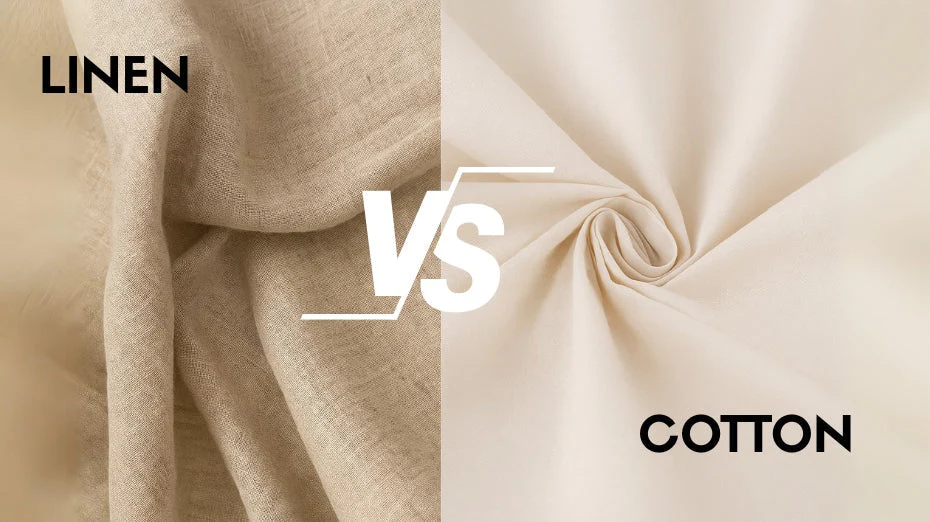
At first glance, both fabrics may seem similar because they’re natural and breathable. But look closer, and you’ll notice clear differences in texture, durability, appearance, and care requirements.
Linen tends to feel more structured and cool, while cotton feels softer and more relaxed right away.
Texture and Feel Comparison
Softness
Cotton usually wins the softness battle initially. A new cotton shirt feels gentle and smooth. Linen, on the other hand, may feel slightly rough when new but softens beautifully after multiple washes.
Breathability
Linen has larger fibers and a looser weave, allowing air to flow more freely. This makes it incredibly breathable — perfect for hot climates.
Moisture Absorption
Both fabrics absorb moisture, but linen dries faster. If you sweat a lot during summer, linen can help you stay cooler and more comfortable.
Durability and Strength
Which Fabric Lasts Longer?
Linen is known for its exceptional strength. In fact, linen fibers are stronger than cotton fibers, which means linen garments can last years if cared for properly.
Wear and Tear Resistance
Cotton may wear out faster, especially after repeated washing. Linen becomes softer while maintaining its structure, making it an investment piece rather than a temporary trend.
Comfort in Different Weather Conditions
Summer Performance
Linen truly shines in hot weather. Its breathability and moisture-wicking ability make it feel cool against the skin. If summer fabrics were superheroes, linen would wear the cape.
Winter Use
Cotton can be layered easily and comes in thicker weaves that provide warmth. Linen, while breathable, may need layering during colder months.
Appearance and Style
Wrinkles and Natural Aesthetic
One thing you’ll notice about linen is its tendency to wrinkle — but here’s the twist: many people love this look. The wrinkles add character and a relaxed sophistication.
Cotton holds a smoother appearance and is often preferred for polished or formal styles.
Formal vs Casual Looks
- Linen: Relaxed luxury, perfect for beachwear and laid-back elegance
- Cotton: Versatile enough for casual tees and formal shirts alike
Maintenance and Care
Washing and Drying Tips
Cotton is generally easy to care for and machine washable. Linen also handles machine washing well but benefits from gentle cycles and air drying to maintain quality.
Ironing and Storage
Linen wrinkles easily, so ironing is optional depending on your style preference. Many linen lovers simply embrace the natural creases.
Sustainability and Eco-Friendliness
Water Usage
Flax plants (used for linen) require significantly less water than cotton crops, making linen a more sustainable option in many cases.
Environmental Impact
Linen production often uses fewer chemicals and pesticides. Cotton farming can sometimes involve heavy water usage and pesticides unless it’s organic cotton.
Cost and Value for Money
Linen tends to cost more than cotton due to its labor-intensive production process and durability. But think of it as buying quality over quantity — a linen shirt might outlast several cotton ones.
Common Uses of Linen and Cotton
Clothing
- Linen: Summer shirts, dresses, trousers, and resort wear
- Cotton: T-shirts, jeans, underwear, and everyday essentials
Home Textiles
- Linen: Tablecloths, curtains, bedding with a luxury feel
- Cotton: Bed sheets, towels, and general household fabrics
How to Choose Between Linen and Cotton
Lifestyle Considerations
Ask yourself: Do you prefer easy maintenance or natural elegance? If you like relaxed, breathable clothing, linen might be your best match.
Budget and Personal Preference
Cotton offers affordability and variety, while linen delivers longevity and a premium feel.
Myths About Linen and Cotton
Some people believe linen is uncomfortable or too hard to care for. In reality, modern linen blends and softened linen fabrics are incredibly wearable. Similarly, not all cotton is automatically eco-friendly — it depends on farming practices.
Future Trends in Natural Fabrics
As sustainability becomes more important, linen is seeing a major comeback in fashion and interior design. Consumers are leaning toward fabrics that last longer and have lower environmental impact. Cotton remains essential but is evolving through organic and recycled variations.
Conclusion
So, what’s the verdict in the linen vs cotton debate? Honestly, there’s no single winner — it depends on your needs. Linen offers unbeatable breathability, durability, and an effortless aesthetic, while cotton brings softness, affordability, and versatility. Think of them as two different tools in your style toolkit. Choose linen when you want that airy, lived-in luxury, and reach for cotton when comfort and convenience come first.
FAQs
1. Is linen better than cotton for hot weather?
Yes, linen is generally better for hot climates due to its superior breathability and quick-drying nature.
2. Does linen shrink more than cotton?
Both can shrink if washed improperly, but linen usually stabilizes after the first few washes.
3. Why is linen more expensive than cotton?
Linen production is more labor-intensive and uses fewer mechanical processes, increasing its cost.
4. Can linen be worn year-round?
Yes, but in colder months it works best when layered with other fabrics.
5. Which fabric is more sustainable: linen or cotton?
Linen is often considered more sustainable because flax requires less water and fewer chemicals.