Plaid is one of those timeless textile patterns that never truly disappears from the fashion world. From classic flannel shirts and winter coats to modern dresses, skirts, blankets, upholstery, and fashion accessories, the plaid pattern continues to influence designers, clothing manufacturers, artists, and home décor enthusiasts. Its distinctive combination of intersecting horizontal and vertical lines creates a visual texture that can feel traditional, bold, cozy, elegant, or contemporary, depending on the colours and arrangement.
Whether you’re trying to understand plaid meaning, exploring different types of plaid fabric, learning how to paint a plaid pattern, or discovering how to draw plaid pattern designs by hand, this guide will walk you through the essentials. Plaid is much more than a simple arrangement of coloured lines; it is a versatile design language that brings structure, personality, and visual interest to fabric and creative projects.
1. What Is a Plaid Pattern?
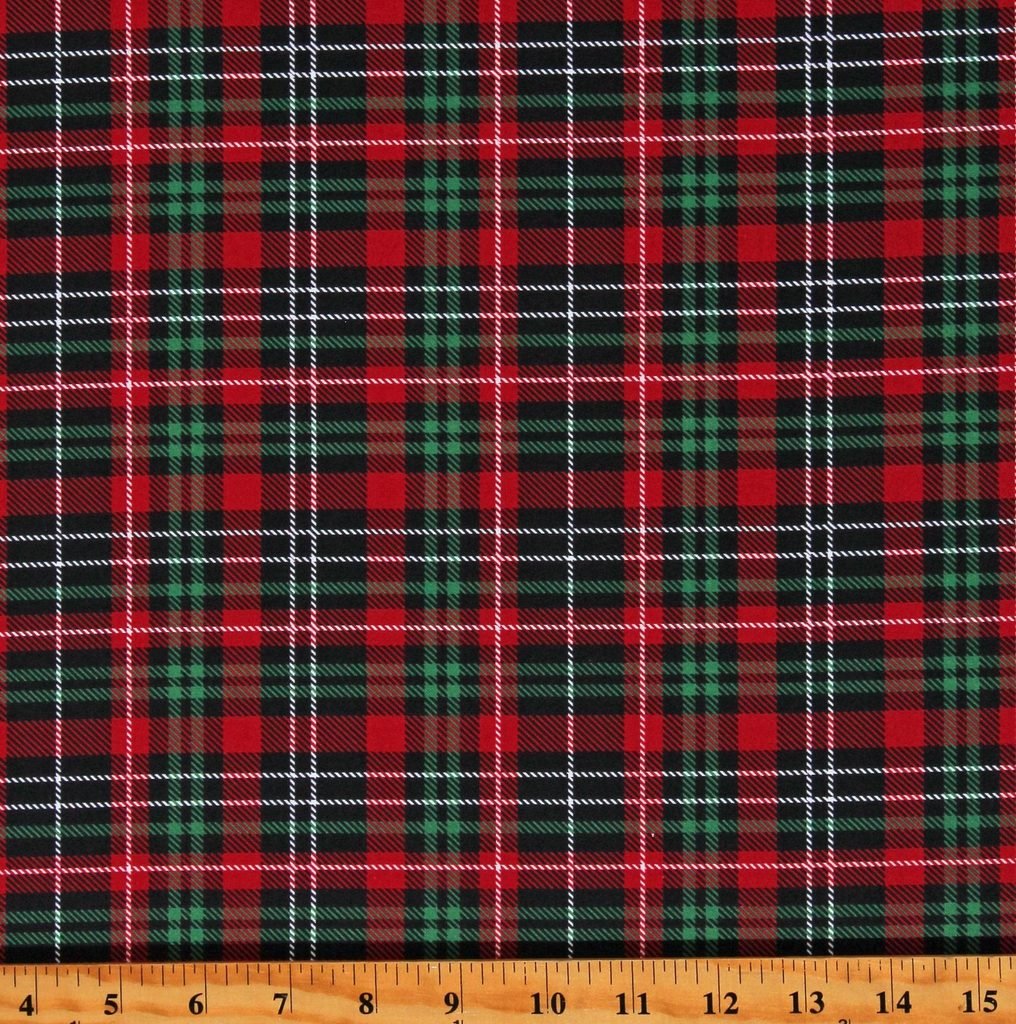
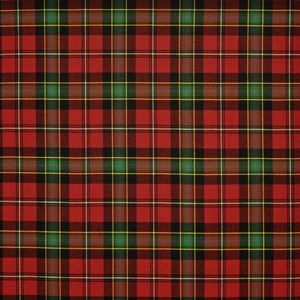
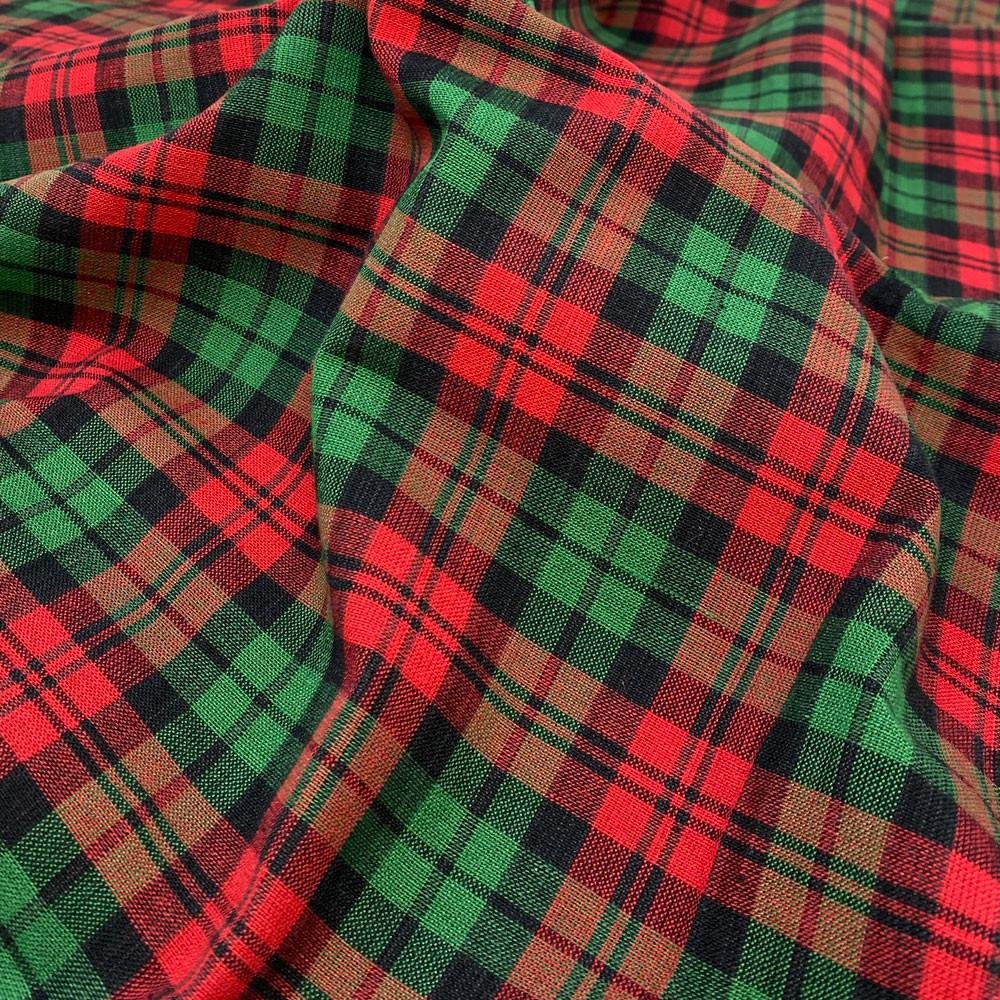
A plaid pattern is a textile design made from intersecting horizontal and vertical stripes in different colours, widths, and arrangements. When these lines cross one another, they create squares, rectangles, and overlapping colour combinations that form a distinctive checked appearance. Plaid patterns may feature two colours or several shades, depending on the design’s complexity and intended style. Some plaids are simple and symmetrical, while others include multiple stripe widths, subtle colour transitions, and intricate combinations that give the fabric a rich, layered appearance.
Plaid is commonly associated with woven textiles, especially wool, cotton, flannel, and other fabrics used for clothing and home furnishings. However, the pattern can also be printed, embroidered, digitally illustrated, painted, or applied to accessories. Its versatility makes plaid suitable for casual fashion, formal styling, outdoor apparel, seasonal collections, and decorative products. A simple plaid design can transform an ordinary piece of fabric into something visually appealing, which is one reason it remains popular across fashion and textile industries.
2. Understanding the Meaning of Plaid
The word plaid generally refers to a pattern of coloured stripes crossing each other at right angles, creating a grid-like design. In everyday English, the term is often used interchangeably with words such as check, tartan, or checked pattern, although these terms can have different meanings depending on cultural context and textile traditions. Cambridge Dictionary describes plaid as a pattern of squares and lines on cloth, or cloth featuring that pattern. definition in the Cambridge English Dictionary
In fashion and textile design, plaid describes a visual arrangement rather than a specific fabric type. For example, a plaid shirt may be made from cotton, brushed flannel, polyester, wool, or a blended material. The plaid itself refers to the design printed or woven into the material, not the fibre composition. This distinction is useful when shopping for garments, designing apparel, selecting fabric for manufacturing, or explaining textile specifications to customers. Understanding plaid meaning helps you identify the pattern accurately and recognise how different plaid styles can create different moods and fashion statements.
3. The History and Origin of Plaid Patterns
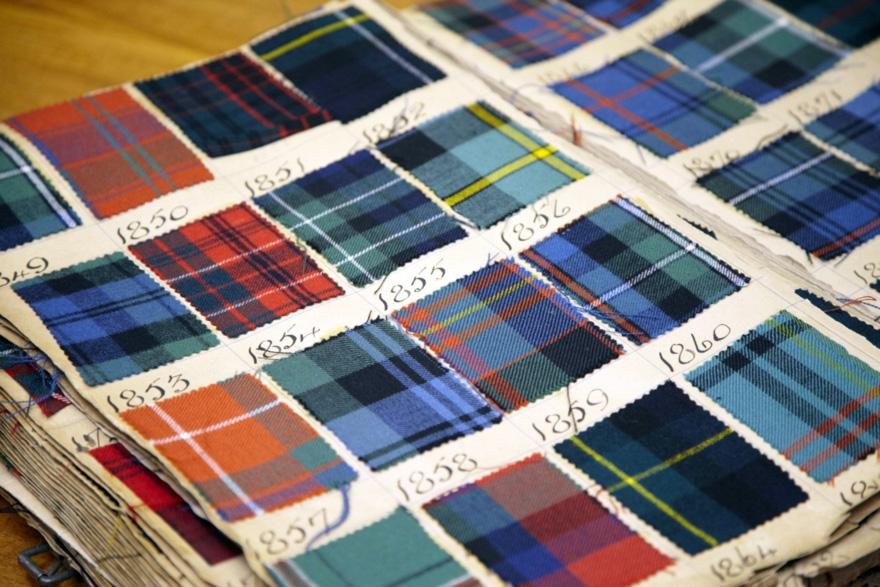
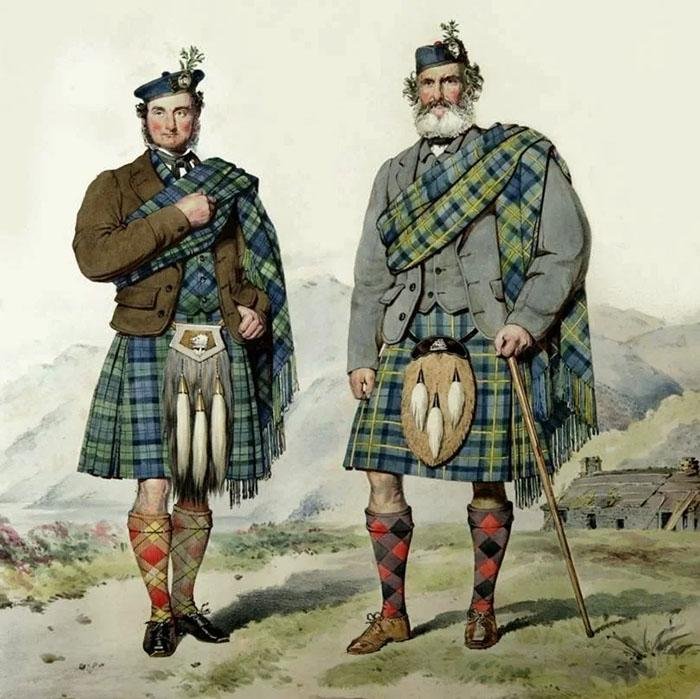
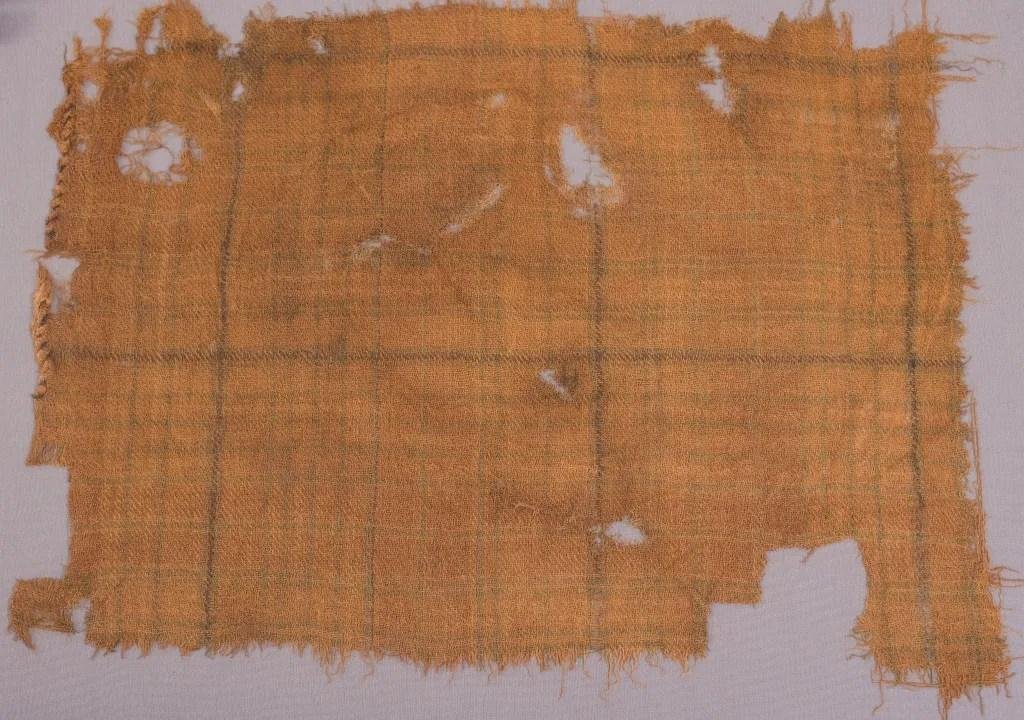
Plaid patterns have strong historical associations with Scottish clothing and textile traditions, particularly tartan fabrics. Tartan designs developed into recognisable patterns of coloured bands crossing in both directions, creating repeated geometric arrangements. Historically, tartan was closely connected with Scottish Highland clothing and cultural identity, and the patterns became widely recognised through garments such as kilts, shawls, and traditional dress. The term plaid itself has historically also referred to a garment or piece of cloth worn over the shoulder in Scottish dress.
Over time, plaid-inspired designs spread far beyond their original cultural associations. Textile manufacturing, industrial weaving, global trade, and changing fashion trends helped popularise plaid fabrics in many countries. Plaid became especially visible in workwear, outdoor clothing, school uniforms, casual shirts, jackets, and winter accessories. Designers eventually began experimenting with unconventional colours, scale, texture, and fabric types, turning plaid into a pattern that could be used in traditional, minimalist, streetwear, luxury, and contemporary fashion collections. Today, plaid represents a broad family of designs rather than one particular historical pattern.
4. What Is Plaid Fabric?
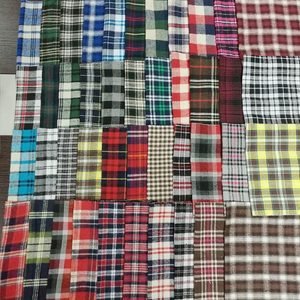
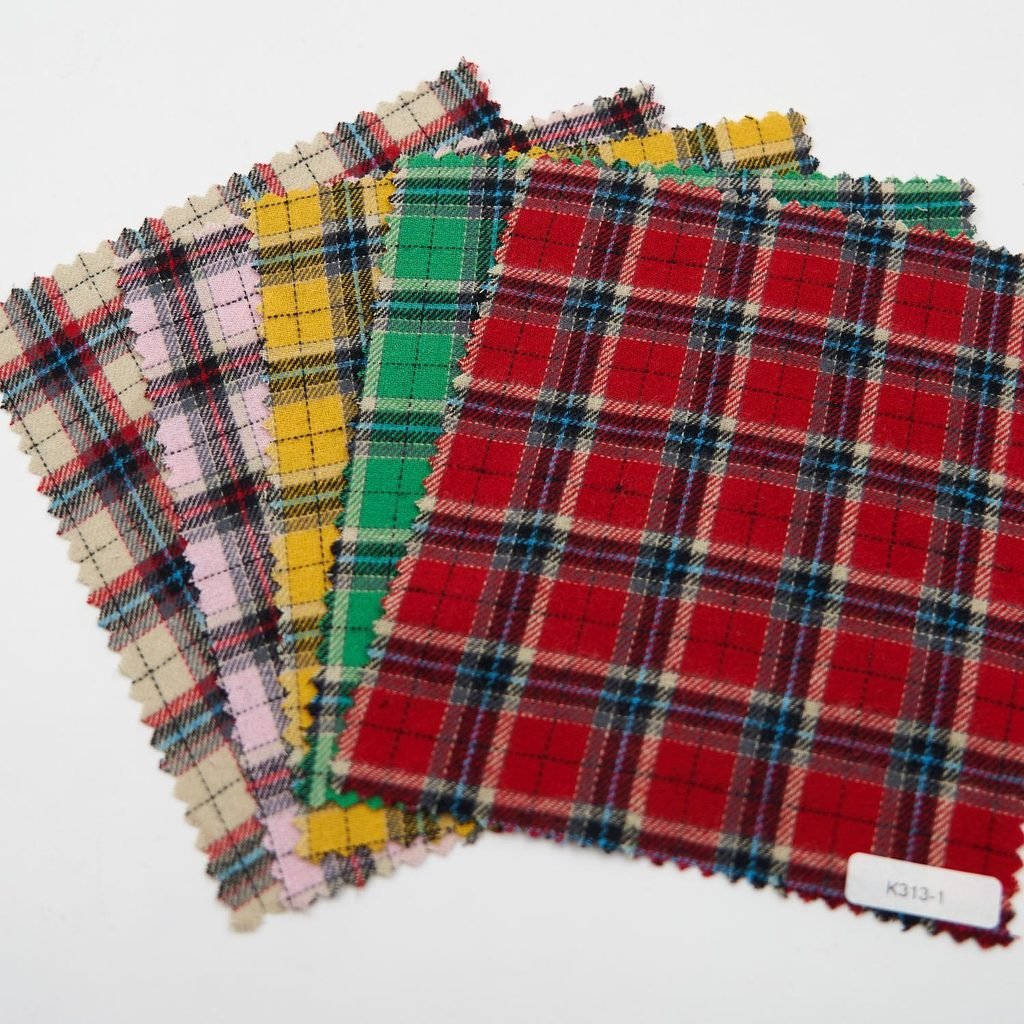
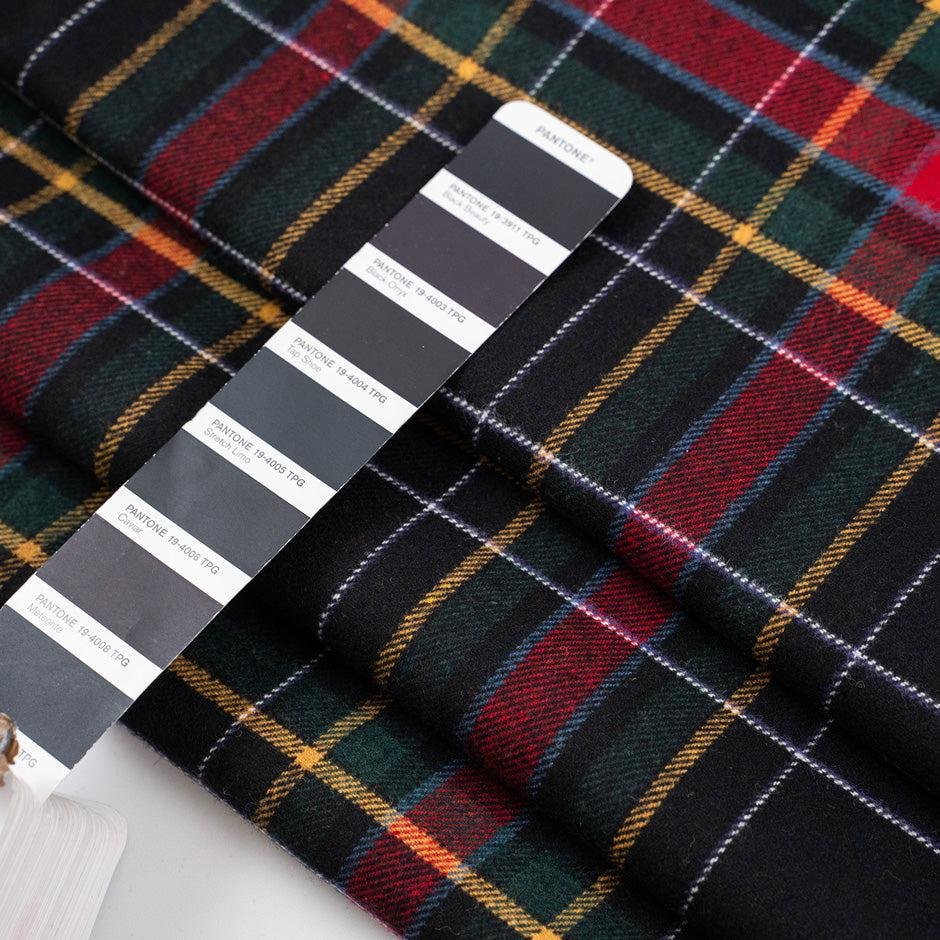
Plaid fabric is material featuring a plaid design created through weaving, printing, knitting, or another textile production method. The design consists of horizontal and vertical lines that intersect to create a repeated pattern of coloured blocks. Plaid fabrics are available in many materials, including cotton, wool, flannel, polyester, linen blends, viscose, and synthetic fibres. Depending on the material, plaid fabric can be soft and lightweight for shirts, warm and thick for winter coats, durable for uniforms, or decorative for furnishings.
The production technique influences the appearance and quality of plaid fabric. In woven plaid textiles, coloured yarns are arranged and interlaced to create the pattern, allowing the design to appear integrated into the textile structure. Printed plaid fabrics use colour applied to the fabric surface, which can allow more intricate designs, flexible colour combinations, and potentially lower production costs. The choice between woven and printed plaid depends on factors such as the garment design, budget, fabric performance, appearance, and manufacturing requirements. Plaid fabric is commonly used for shirts, dresses, trousers, skirts, jackets, blankets, scarves, cushions, and upholstery.
5. Different Types of Plaid Patterns
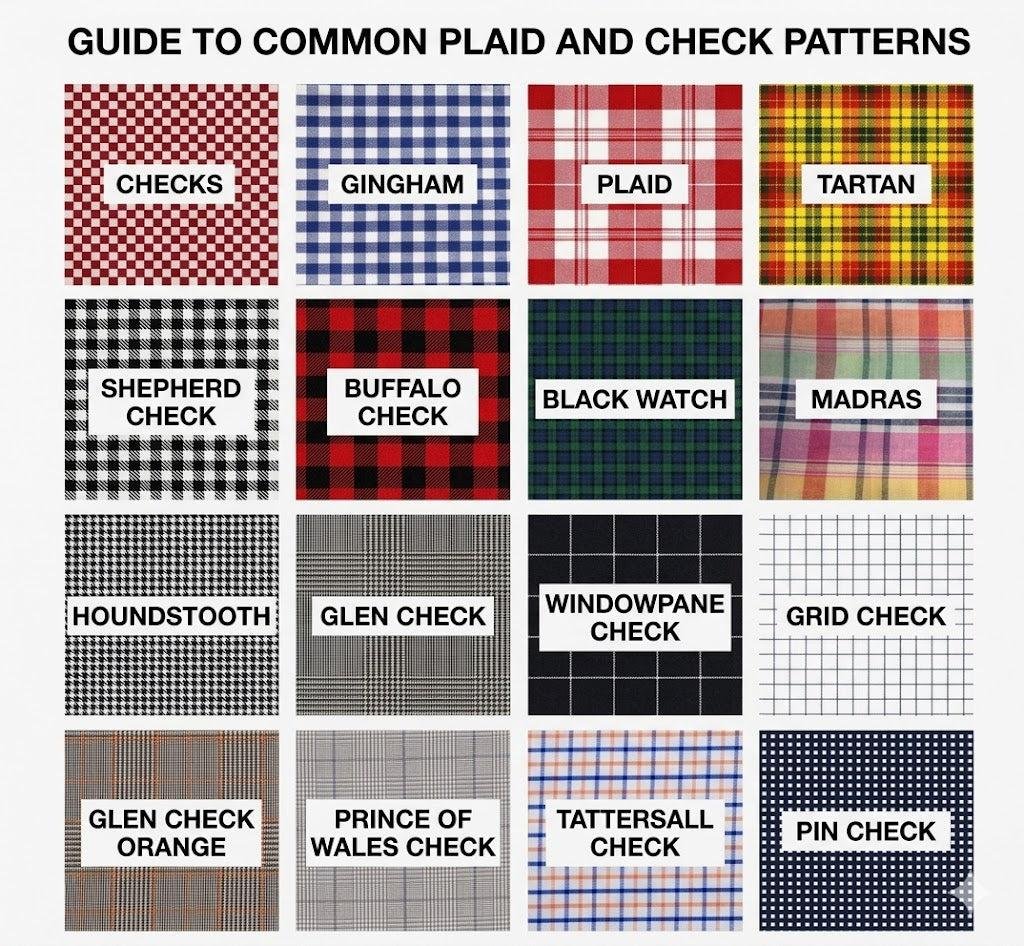

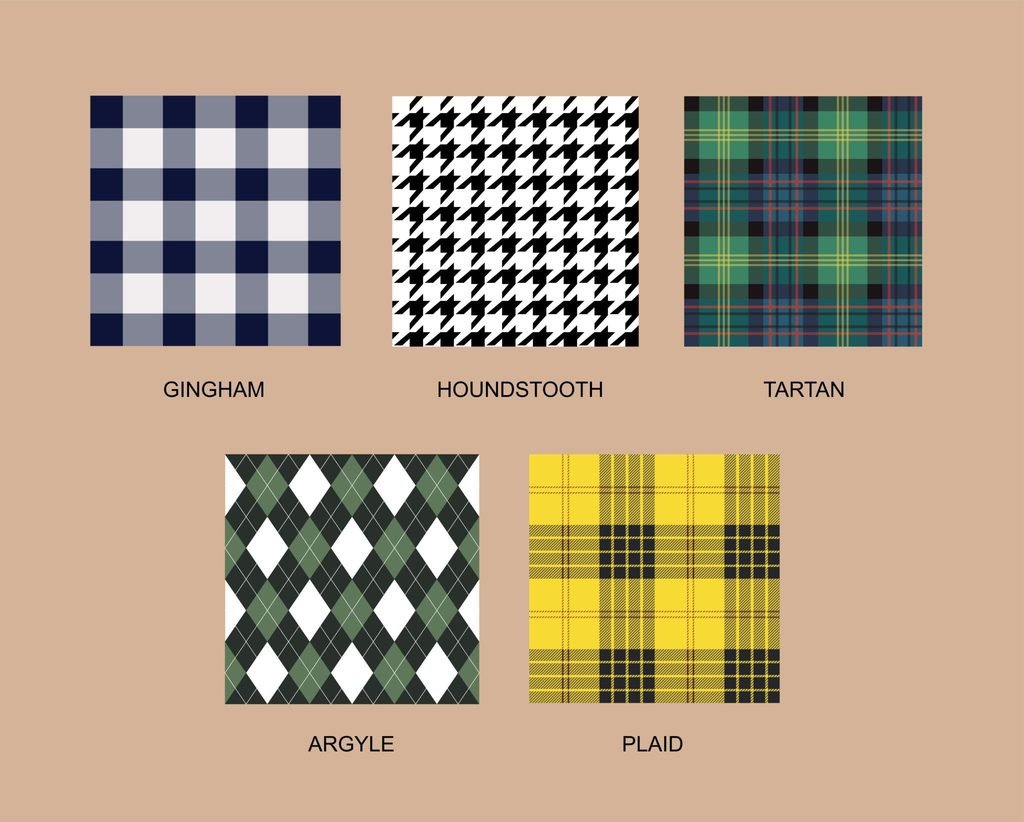
Plaid patterns come in many variations, and each type has its own visual characteristics. Some designs are bold and dramatic, while others are delicate and understated. Understanding the different types of plaid can help fashion designers, textile buyers, garment manufacturers, artists, and consumers select the right pattern for their projects.
Common plaid-inspired pattern styles include:
- Tartan plaid: A complex arrangement of intersecting stripes in multiple colours and widths, often associated with Scottish textile traditions.
- Gingham: A pattern featuring evenly spaced stripes that intersect to form regular checks, commonly created with two colours.
- Windowpane plaid: A simple design featuring thin lines that form large rectangular or square shapes.
- Madras plaid: A colourful, often lightweight plaid style traditionally associated with summer clothing.
- Buffalo plaid: A bold, large-scale check pattern, commonly featuring two contrasting colours such as red and black.
- Prince of Wales check: A refined pattern that typically combines smaller checks and overlaid larger motifs, often used in tailoring.
- Houndstooth: A distinctive broken-check motif that is frequently included in discussions of check-patterned textiles, although it is not technically a traditional plaid arrangement of straight intersecting stripes.
Each pattern can be adapted using different colour palettes, stripe widths, fabric weights, and finishing techniques. This flexibility allows plaid to work across different seasons and product categories.
6. Popular Plaid Pattern Styles
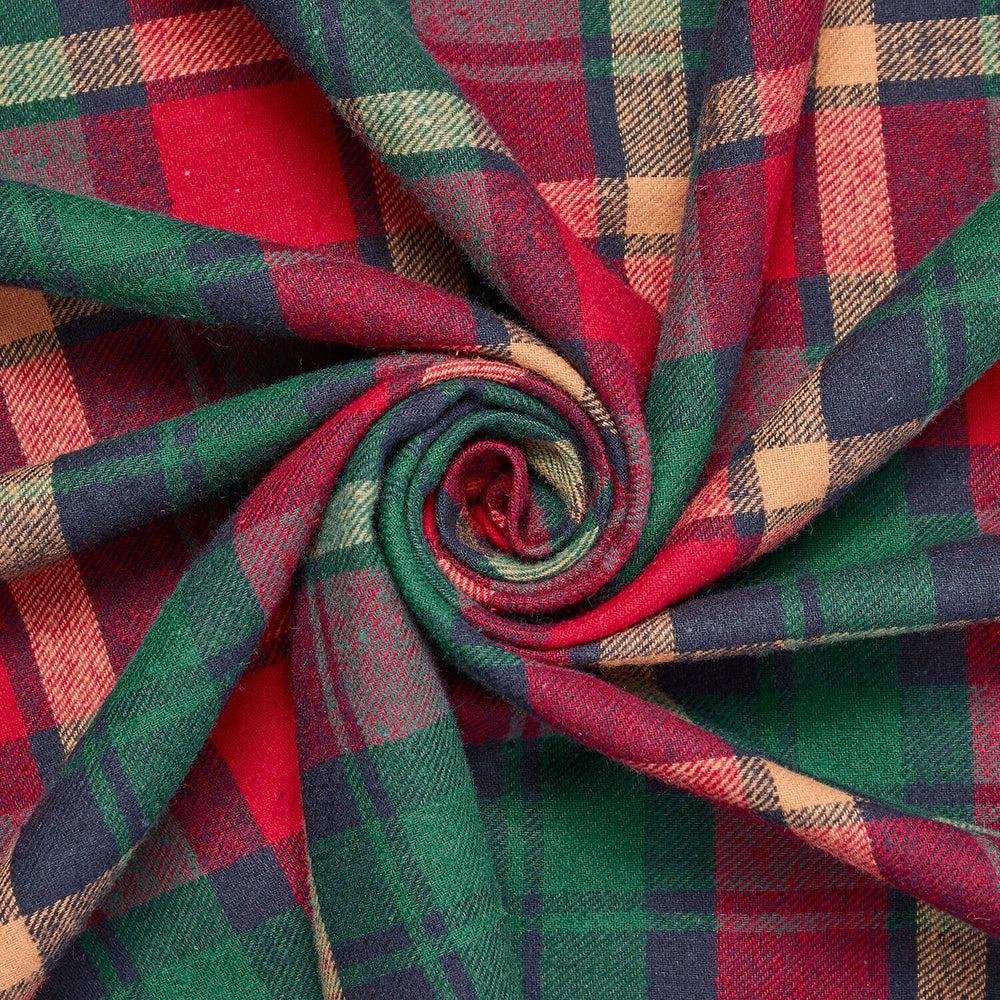
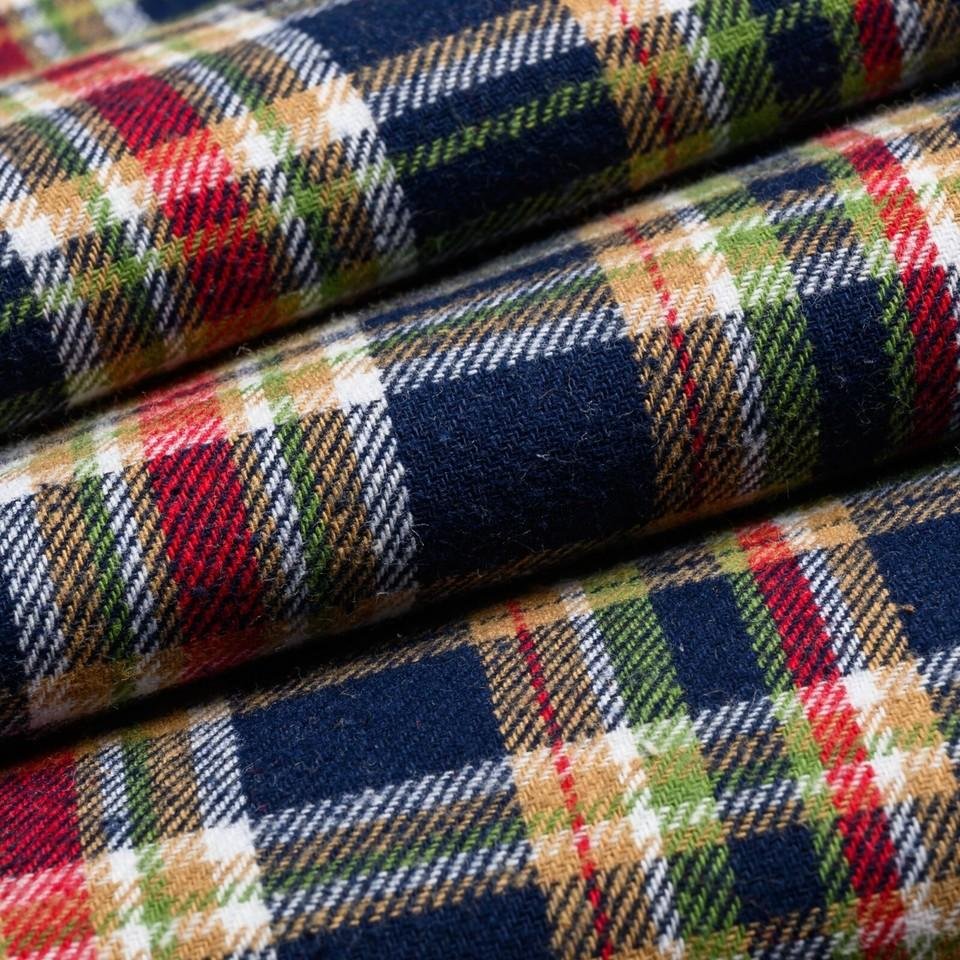
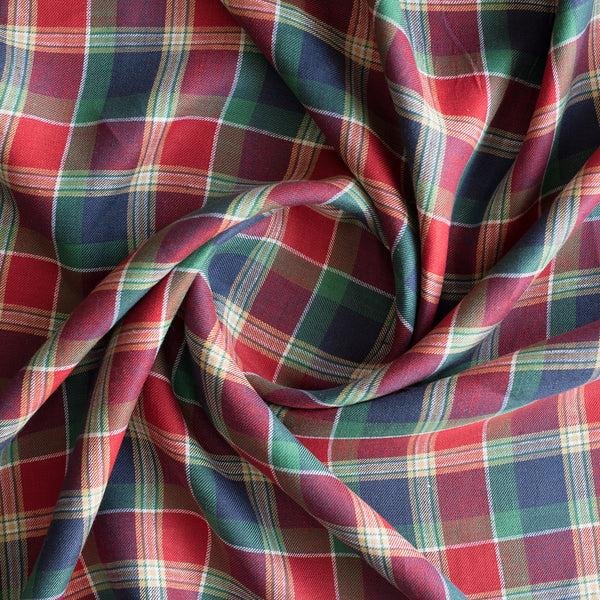
Popular plaid pattern styles vary according to colour combinations, stripe proportions, and the way the lines intersect. Traditional plaid designs often feature deep reds, forest greens, navy blues, black, white, and earthy shades that create a classic appearance. Modern plaids, on the other hand, may include pastel colours, bright neons, monochromatic palettes, metallic shades, or unexpected colour combinations. Designers frequently adjust the scale of the pattern to suit the garment, with small plaids creating a subtle texture and larger plaids delivering a stronger visual statement.
The scale and colour of plaid can influence how the fabric looks when worn. Small-scale patterns are often suitable for shirts, office clothing, dresses, and lightweight accessories because they create a balanced appearance. Large-scale plaids are commonly used in oversized shirts, jackets, coats, blankets, and statement garments. Neutral plaid patterns can work well in minimalist wardrobes, while vibrant plaid designs may appeal to customers seeking bold, expressive fashion. The choice of plaid style is therefore not only about aesthetics but also about the product’s purpose, target audience, and styling possibilities.
7. Plaid vs. Tartan: What’s the Difference?
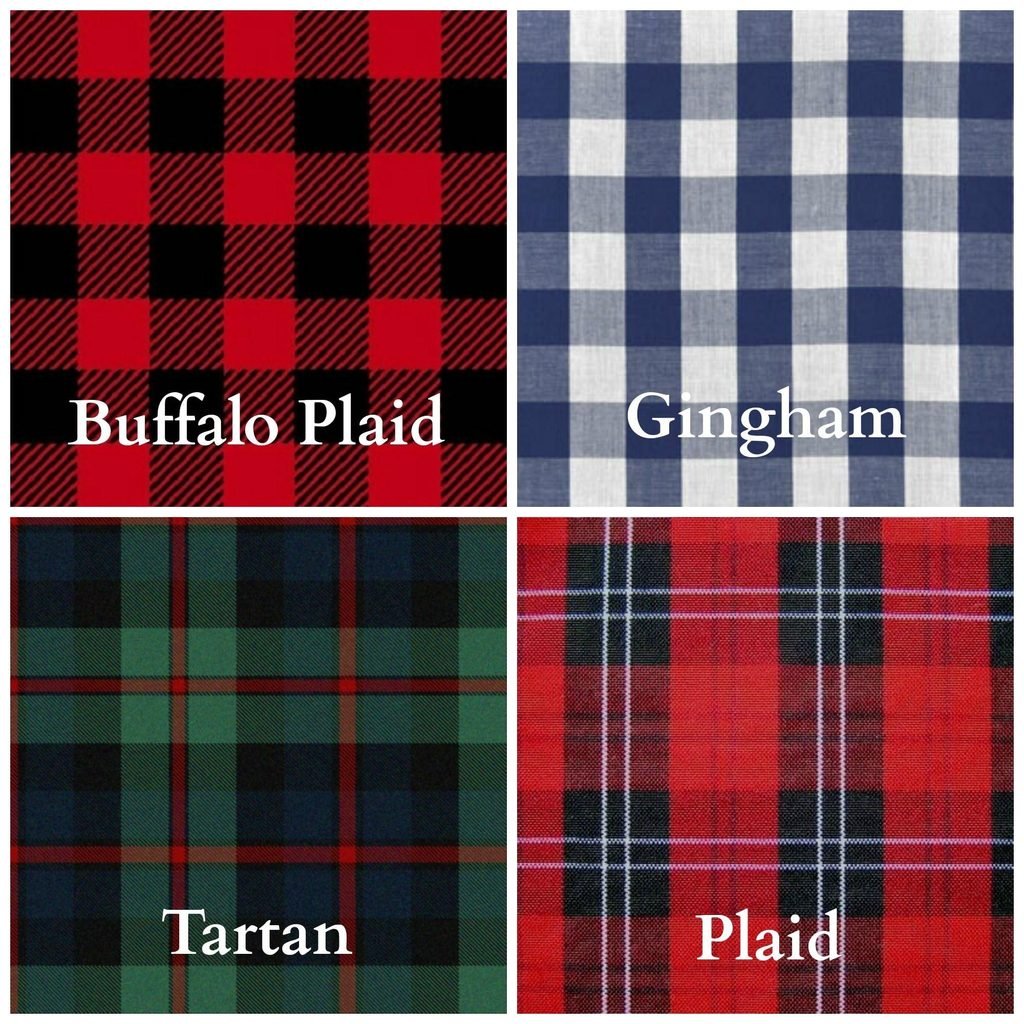
Plaid and tartan are closely related terms, but they are not always interchangeable. Plaid is commonly used in modern fashion and textile terminology to describe a pattern of intersecting coloured stripes that form squares or rectangular shapes. Tartan refers to a more specific textile pattern traditionally associated with Scottish heritage, featuring repeating arrangements of coloured bands that form distinctive designs. Certain tartans are historically associated with clans, families, regions, institutions, or organisations, although not every tartan has a clan association.
| Feature | Plaid | Tartan |
|---|---|---|
| Meaning | Broad term for intersecting stripe patterns | A specific patterned textile tradition |
| Design | Varies widely in colour, stripe width and spacing | Typically features repeating stripe arrangements |
| Cultural association | Widely used in global fashion | Strong historical connection to Scotland |
| Applications | Shirts, dresses, coats, accessories and décor | Kilts, traditional clothing, modern fashion and décor |
| Design flexibility | Highly flexible and unrestricted in many fashion contexts | Traditional designs may have historical or cultural associations |
In contemporary clothing and retail, plaid is often the preferred general term because customers recognise it as a versatile checked textile design. Tartan is commonly used when discussing heritage patterns, traditional Scottish textiles, or a specific tartan design.
8. Fabrics Commonly Used for Plaid Designs
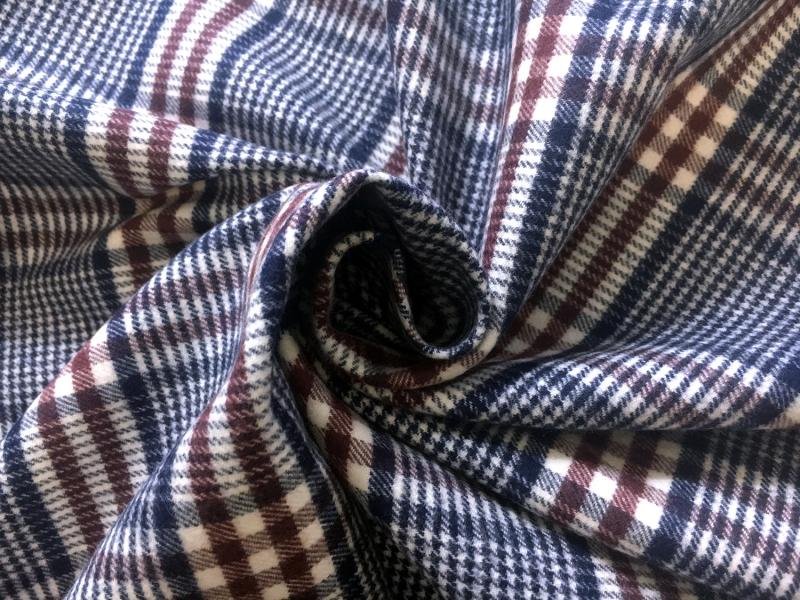
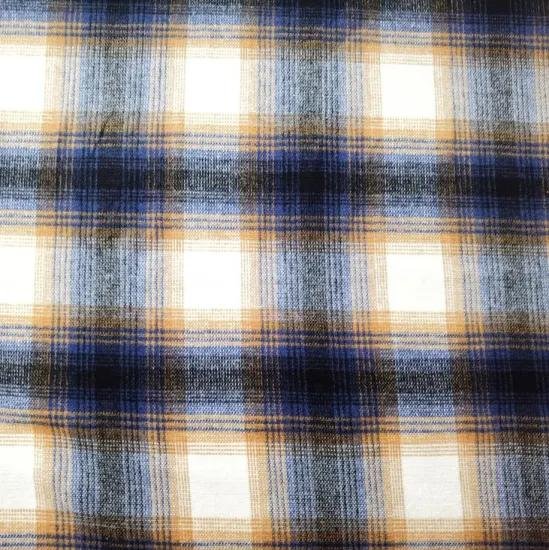
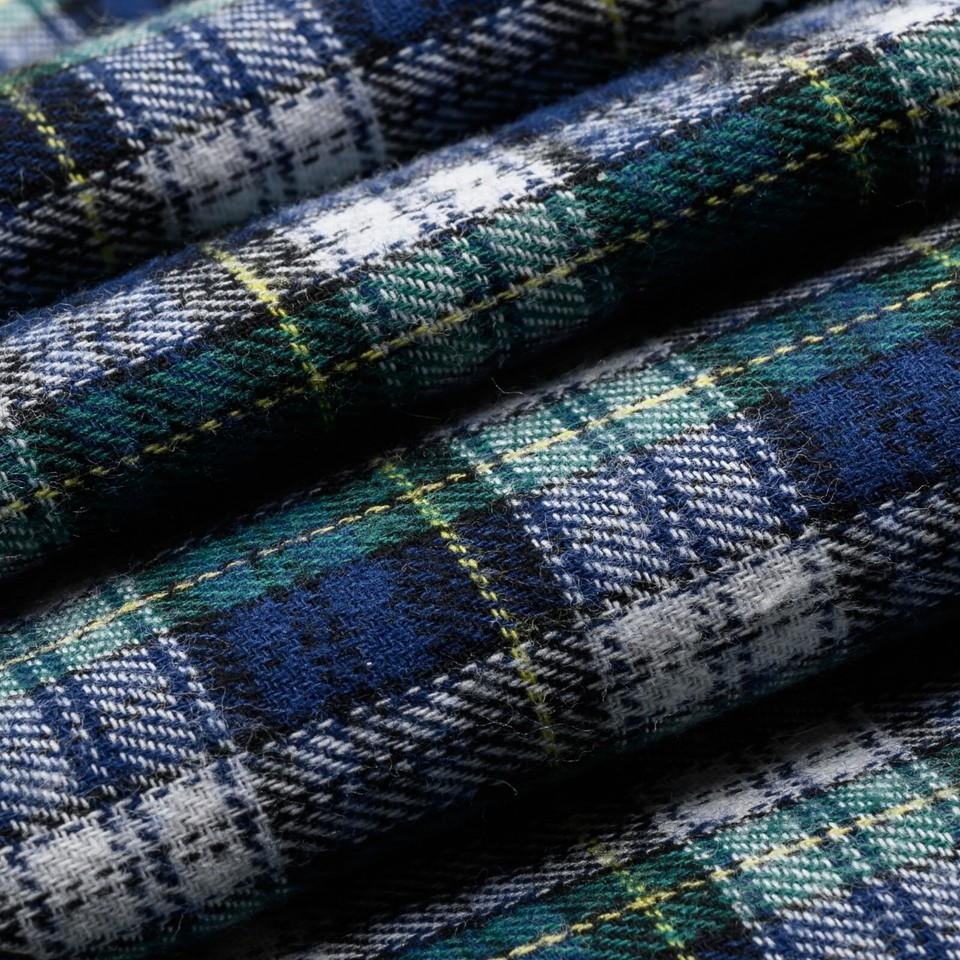
Plaid designs can be produced using a wide variety of textile materials, and each fabric offers different qualities in terms of comfort, durability, appearance, and performance. Cotton plaid fabric is popular for everyday clothing because cotton is generally breathable, comfortable, and suitable for many garment styles. Flannel plaid is especially popular for winter shirts, sleepwear, and casual garments because the brushed surface creates a soft feel. Wool plaid is often used for jackets, coats, scarves, trousers, and traditional clothing where warmth and a structured appearance are desirable.
Polyester and blended plaid fabrics are also widely used because they can offer durability, wrinkle resistance, easier maintenance, and manufacturing flexibility. Linen plaid can be attractive for warm-weather garments, while viscose or rayon plaid fabrics may provide a fluid drape suitable for dresses, shirts, and skirts. The best fabric depends on the intended application, garment construction, season, and customer expectations. For apparel manufacturers, selecting the correct plaid material is important because pattern alignment, shrinkage, colour consistency, and fabric behaviour during cutting and sewing can influence the final product quality.
9. How Plaid Patterns Are Used in Fashion

Plaid has become a versatile fashion pattern used across men’s, women’s, and children’s clothing. Plaid shirts remain one of the most recognisable applications, ranging from relaxed flannel shirts and oversized streetwear styles to smart casual button-down shirts. Designers also use plaid in trousers, skirts, dresses, blazers, coats, waistcoats, hoodies, and fashion accessories. Depending on the colours and fabric, plaid can create a rugged outdoor look, a sophisticated office style, a vintage-inspired outfit, or a playful contemporary appearance.
The fashion appeal of plaid lies in its ability to combine visual structure with endless creative possibilities. A classic red-and-black plaid shirt can look casual and comfortable when paired with jeans, while a grey-and-black plaid blazer can create a polished look suitable for professional or formal settings. Designers may also use plaid as a statement element by incorporating it into oversized silhouettes, layered outfits, contrasting panels, or coordinated sets. In private-label clothing and wholesale fashion manufacturing, plaid designs can be customised through fabric selection, colour development, garment fit, printing, weaving, and finishing to create products that reflect a brand’s identity.
10. Plaid in Home Décor and Interior Design
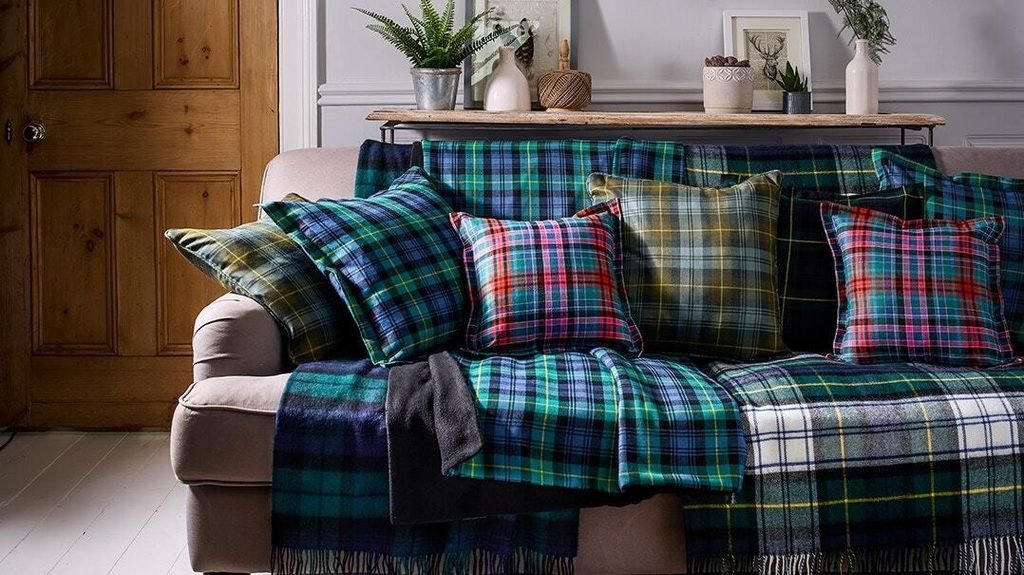
Plaid patterns are equally popular in home décor because they can add warmth, texture, and personality to interior spaces. Plaid blankets, cushions, curtains, rugs, upholstery, table linens, and bedding can create a comfortable atmosphere, particularly during autumn and winter. Neutral plaid designs in beige, cream, grey, and brown can complement modern interiors, while bold red, green, and navy patterns may create a rustic, farmhouse, cabin, or traditional aesthetic. Plaid can be used as a subtle accent or as a dominant decorative element, depending on the room’s colour scheme and furnishings.
When incorporating plaid into interior design, scale and colour balance are important. A large plaid pattern may look attractive on a blanket or sofa but could overwhelm a small room if used extensively. Smaller patterns can work well for cushions, curtains, or accessories that complement solid-coloured furniture. Mixing plaid with plain fabrics, textured materials, or carefully selected floral designs can create visual variety without making the space feel crowded. The pattern’s versatility makes it suitable for living rooms, bedrooms, dining areas, seasonal decorations, and even commercial interiors such as cafés, hotels, boutiques, and restaurants.
11. Why Plaid Remains a Popular Pattern
Plaid remains popular because it combines familiarity, versatility, and visual character. Unlike patterns that may feel strongly associated with a single fashion season, plaid can be adapted to different styles, colours, garment categories, and cultural influences. It can look traditional when used in heritage-inspired clothing, modern when presented in minimalist colour combinations, or edgy when paired with oversized silhouettes and streetwear styling. This adaptability allows designers and brands to reinterpret plaid without losing the pattern’s recognisable identity.
Another reason for its enduring popularity is its suitability for a wide range of consumers and products. Plaid works for casual clothing, winter fashion, office wear, uniforms, accessories, home furnishings, and decorative textiles. It also offers opportunities for customisation, which is valuable for fashion brands and apparel manufacturers developing unique collections. A simple change in stripe thickness, colour palette, pattern scale, fabric texture, or garment construction can create a completely different product. Plaid therefore continues to provide designers with a reliable foundation for creative textile and fashion development.
12. How to Paint a Plaid Pattern
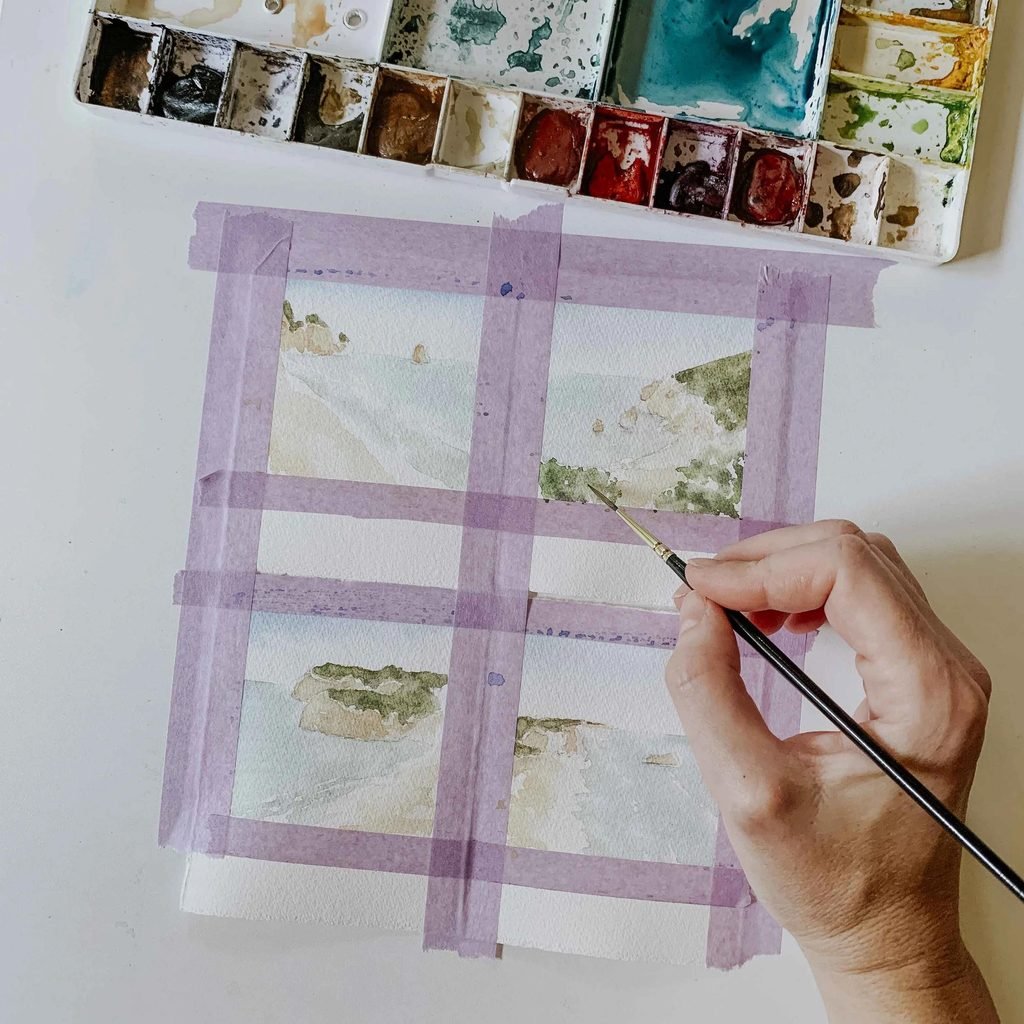
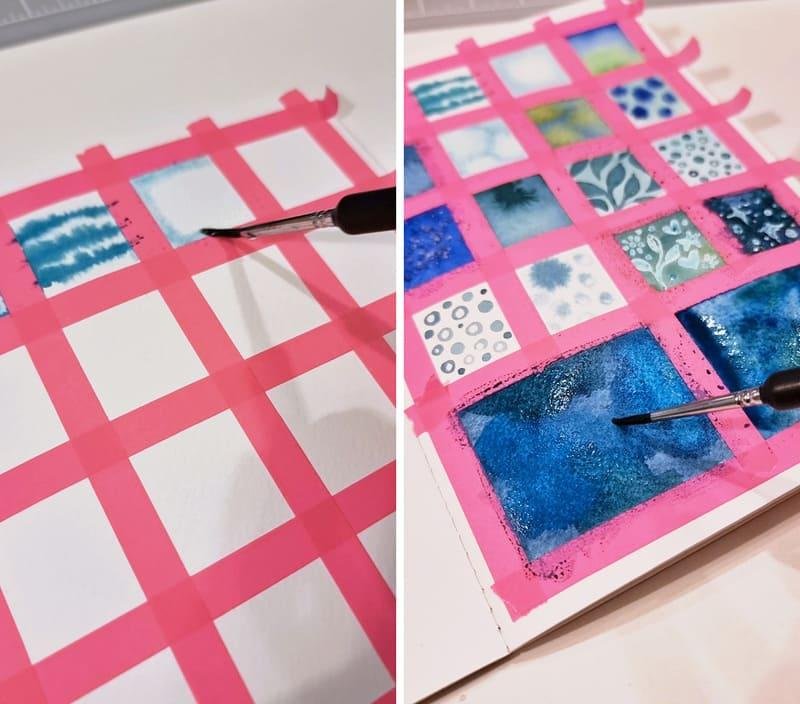
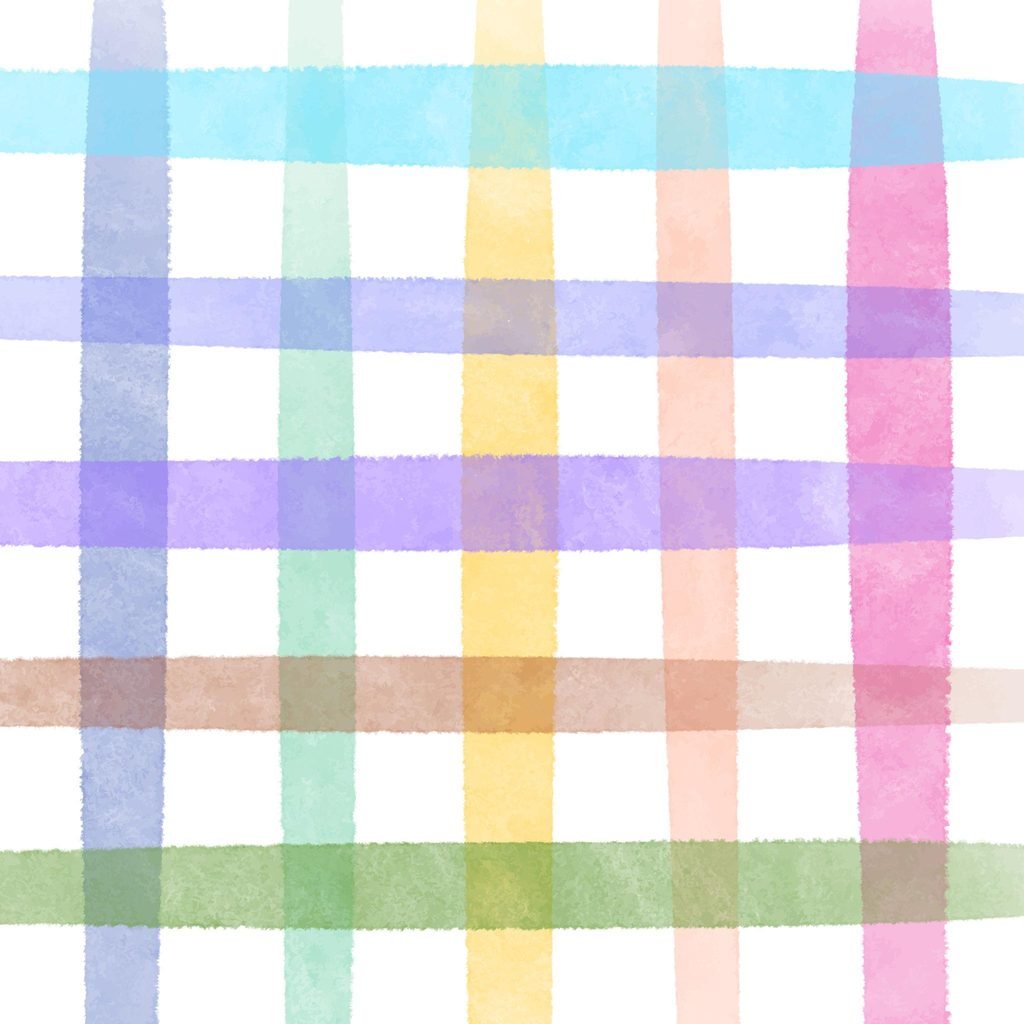
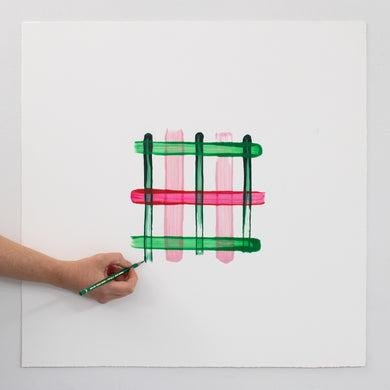
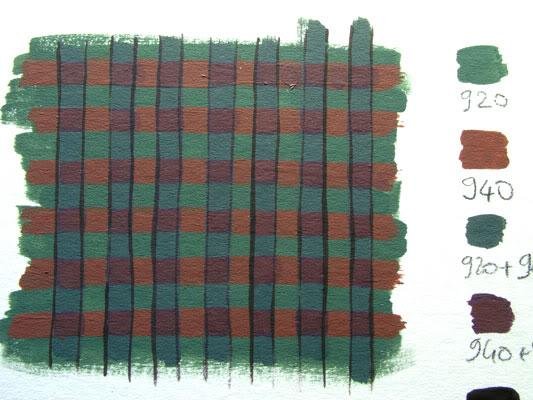
Painting a plaid pattern can be a fun and creative way to explore colour, geometry, texture, and textile-inspired artwork. The basic idea is to paint a series of horizontal and vertical stripes that overlap to form a grid. Although plaid may appear complicated when several colours are involved, the painting process becomes easier when you plan the stripe arrangement before applying paint. You can create a simple plaid with two colours or develop a detailed design with multiple stripe widths, transparent layers, and overlapping tones.
Plaid painting can be done on paper, canvas, fabric, wooden surfaces, decorative objects, or even walls. Watercolour paints can create soft and translucent plaid effects, acrylic paints are useful for bold and opaque designs, and fabric paints can be used for textile-based projects. The most important elements are maintaining a consistent stripe arrangement, controlling spacing, and choosing colours that work together. Once you understand how horizontal and vertical stripes intersect, you can experiment with different styles to create unique plaid designs for artwork, craft projects, fashion illustrations, or home décor.
13. Materials You Need to Paint Plaid
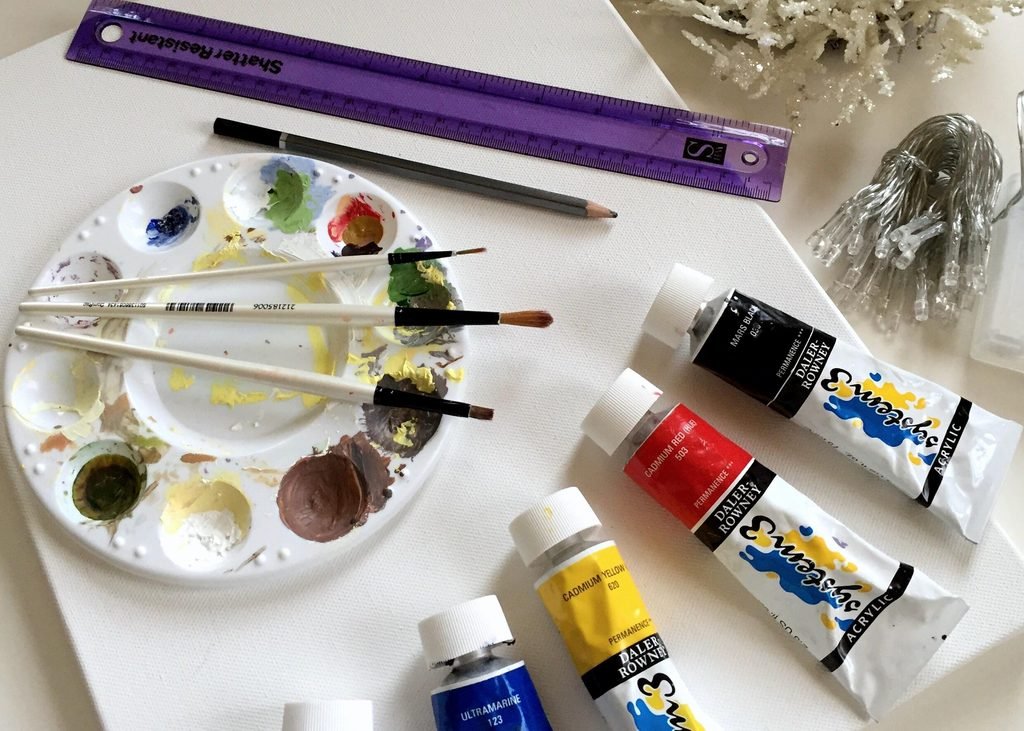
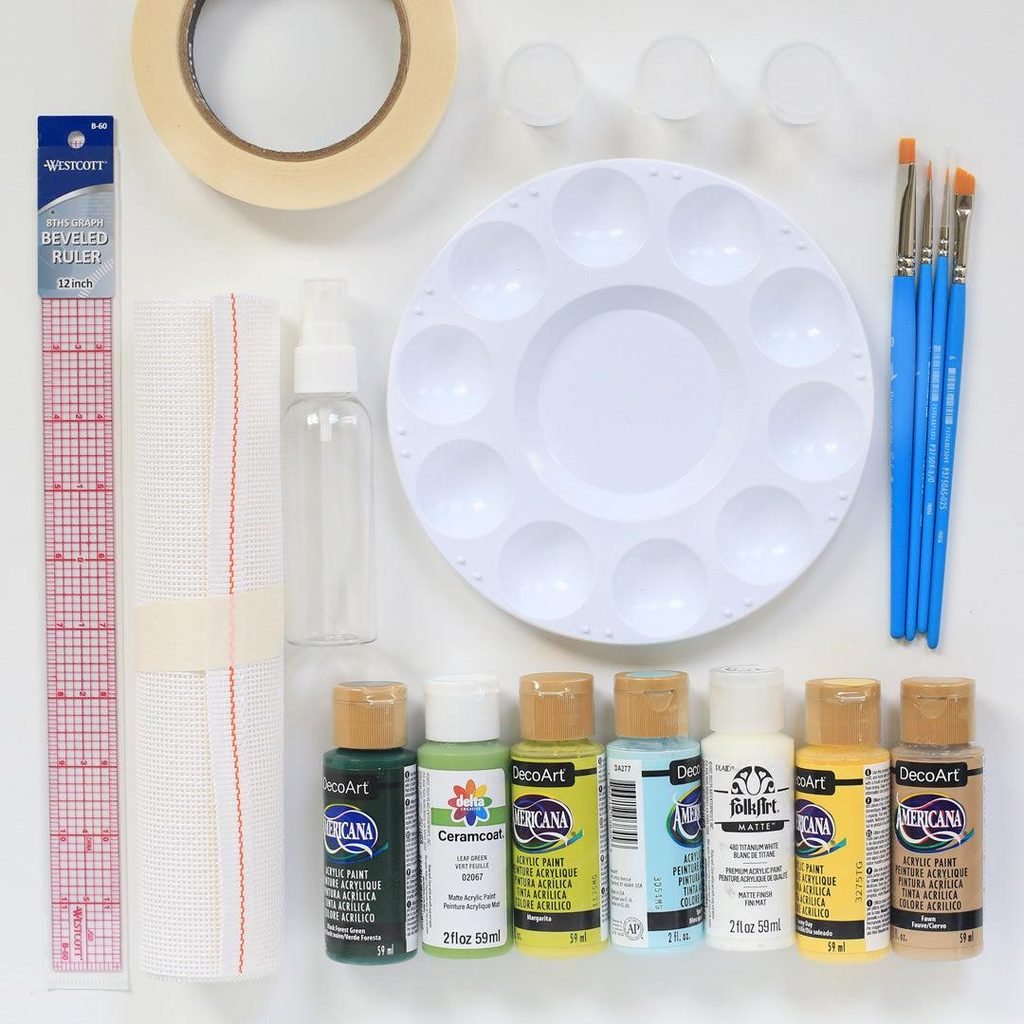
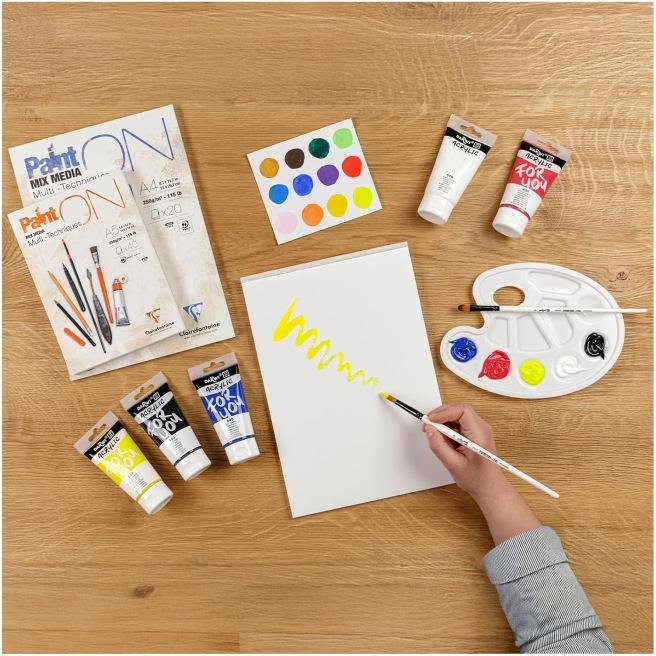
Before starting, collect the materials that will help you create neat, balanced, and visually appealing plaid artwork. The materials may vary depending on the surface and painting medium you choose, but a few basic tools are useful for most projects.
- A drawing surface such as canvas, sketchbook paper, fabric, or a wooden panel.
- Acrylic, watercolour, poster, or fabric paints, depending on your project.
- A ruler for measuring and creating straight lines.
- Pencil and eraser for marking stripe placement.
- Flat paintbrushes in different sizes.
- Masking tape for crisp stripe edges, if appropriate for the surface.
- A palette or mixing tray.
- Water and cloth for cleaning brushes.
- Optional fine brushes for narrow lines and decorative details.
Selecting the correct tools makes the process easier, particularly if you’re painting a plaid pattern with several colours. A wide brush is useful for painting larger stripes, while a narrow brush helps create thin accent lines. If you want sharp geometric edges, masking tape can help maintain consistent stripe boundaries. For fabric painting, choose paints designed for textiles and follow the manufacturer’s instructions regarding drying, washing, and heat-setting requirements.
14. Step-by-Step Guide to Painting Plaid
Step 1: Prepare your surface.
Start by making sure your paper, canvas, or fabric is clean, dry, and properly prepared. If you’re painting on paper or canvas, lightly mark the area where the plaid pattern will appear. For fabric, stretch or stabilise the material so it doesn’t move while you’re working. A flat, steady surface makes it easier to maintain straight lines and consistent spacing.
Step 2: Choose your colour palette.
Select two to five colours that complement one another. You can use a classic combination such as red, black, and white, or create a softer palette with lavender, cream, pale pink, and grey. Decide which colour will form the base and which colours will be used for the stripes. Planning your colours before painting helps prevent the pattern from becoming visually crowded.
Step 3: Paint the base colour.
Apply a light or medium base colour across the entire surface. This colour will serve as the background for the plaid pattern. Allow the paint to dry before adding stripes, especially if you’re using acrylic paint or a surface that absorbs moisture. A dry base helps you control the appearance of the intersecting colours.
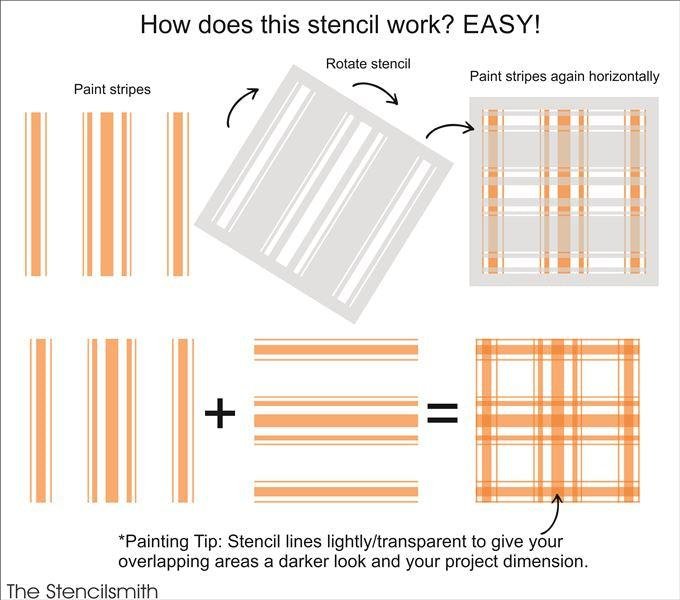
Step 4: Add horizontal stripes.
Use a ruler to mark the positions of your horizontal stripes. Paint stripes at regular or irregular intervals depending on the plaid style you want to create. You can use thick stripes for a bold pattern and thinner stripes for additional detail. Keep the stripe arrangement balanced, but remember that plaid designs don’t always need perfectly equal spacing.
Step 5: Add vertical stripes.
Once the horizontal stripes are dry enough to work over, paint vertical stripes that intersect them. These stripes may use the same colours as your horizontal bands or introduce additional shades. The intersections create the characteristic grid appearance of plaid. If you are using transparent paints, the overlapping areas may naturally produce different tones.
Step 6: Create the overlapping effect.
Plaid looks more interesting when the crossing areas have a visually connected colour effect. In traditional woven textiles, the intersection of coloured yarns can produce blended visual tones. In painting, you can imitate this by layering transparent colours, mixing a darker shade, or deliberately painting the crossing areas with a third colour. This step adds depth and helps your design resemble a woven textile.
Step 7: Add fine lines and details.
Use a thin brush to add narrow accent stripes, borders, or small lines within the larger bands. These details can make your plaid pattern look more intricate and realistic. You may also use a ruler and masking tape to create crisp edges. Keep the fine lines organised so they complement the broader stripes rather than overpower them.
Step 8: Allow the artwork to dry.
Let your painting dry completely before handling it, applying additional layers, or using it for a decorative project. If you’re painting fabric, follow the paint manufacturer’s instructions for curing and heat-setting. Your finished plaid artwork can be used for greeting cards, textile designs, craft projects, decorative prints, or creative fashion illustrations.
15. How to Draw a Plaid Pattern

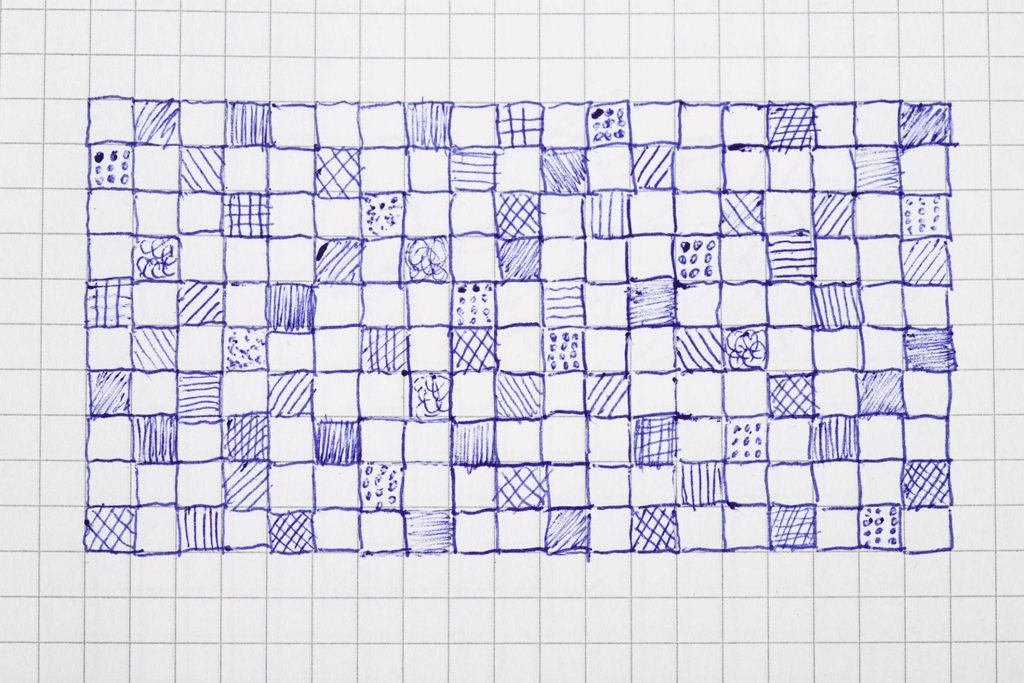
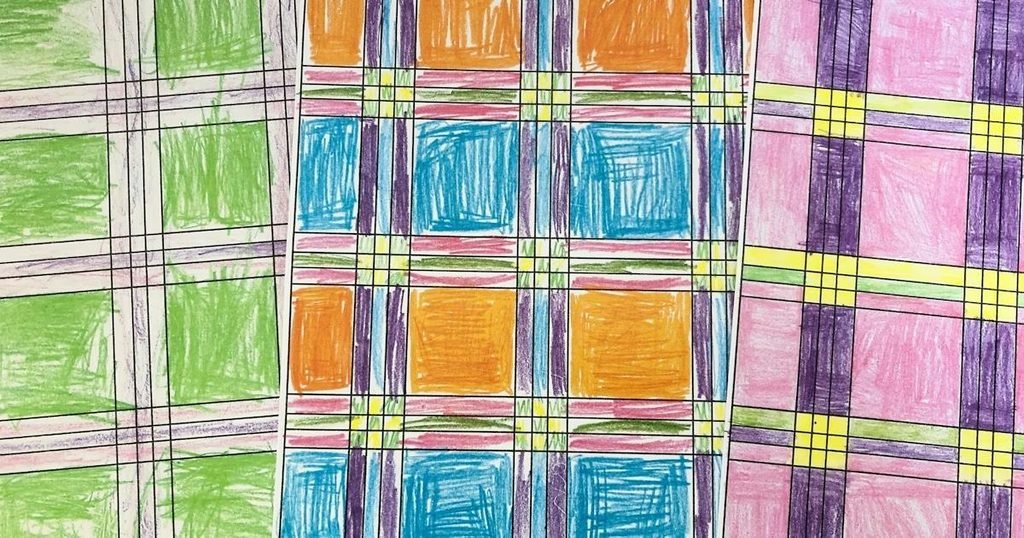
Drawing a plaid pattern is an excellent exercise for anyone interested in textile design, fashion illustration, graphic design, or creative art. Unlike painting, drawing plaid allows you to build the pattern using pencil lines, coloured pencils, markers, pens, or digital drawing tools. You don’t need advanced drawing skills to create an attractive plaid design because the pattern is based on repeated straight lines and simple geometric shapes. The challenge is to organise the lines, maintain proportion, and create a colour arrangement that feels balanced.
A hand-drawn plaid can be simple enough for beginners or detailed enough for professional textile design development. You can create traditional plaid designs by using evenly spaced lines, or experiment with different stripe widths, colours, and spacing to produce a modern interpretation. Drawing plaid patterns is also useful for fashion designers who want to sketch clothing, develop fabric concepts, prepare print ideas, or visualise how a particular plaid might look on a garment. By understanding the basic structure of plaid, you can develop a wide range of designs without relying on complicated drawing techniques.
16. Step-by-Step Guide to Drawing Plaid
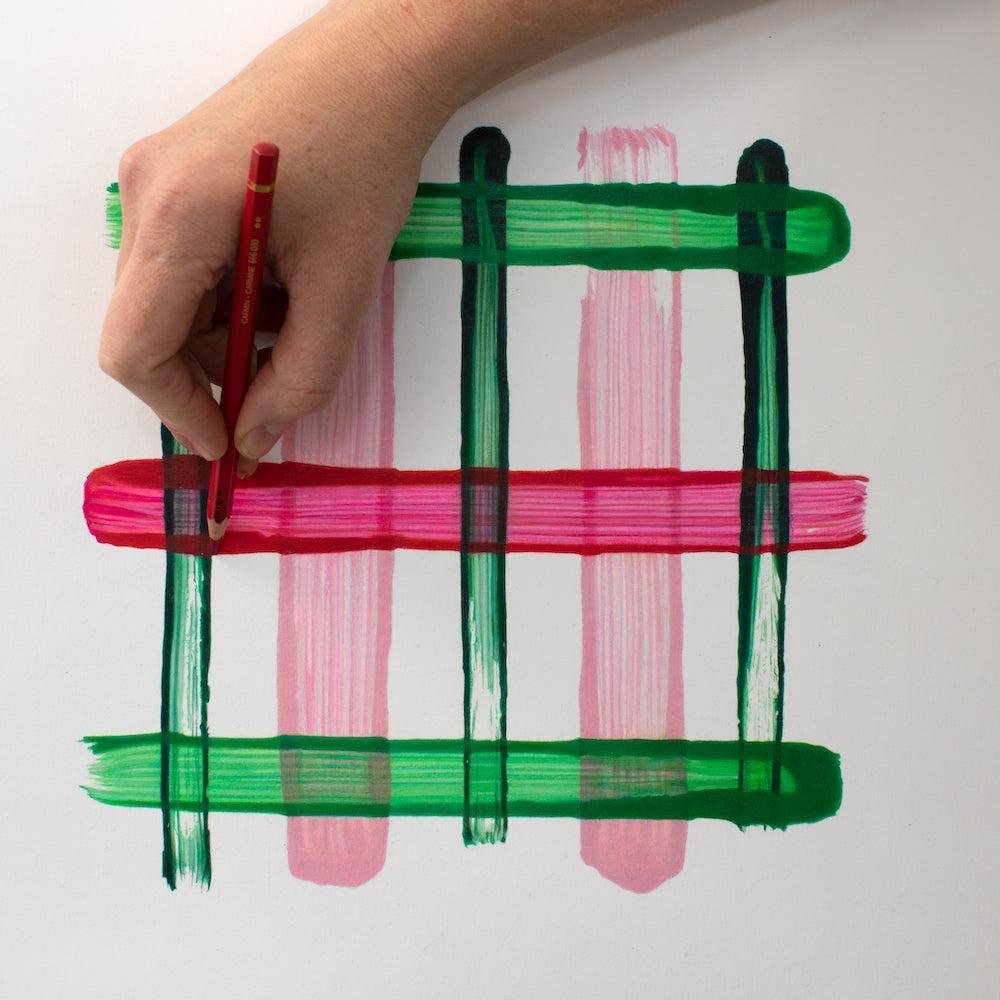
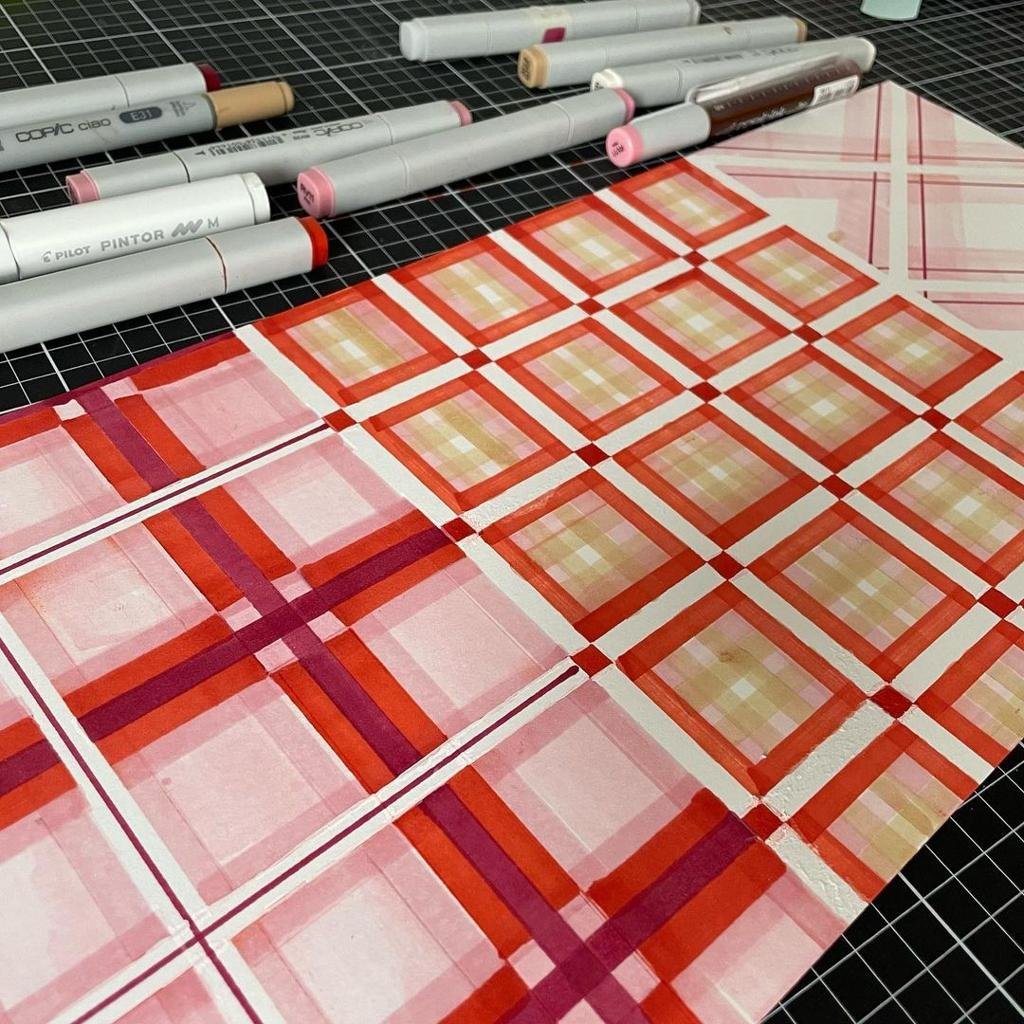
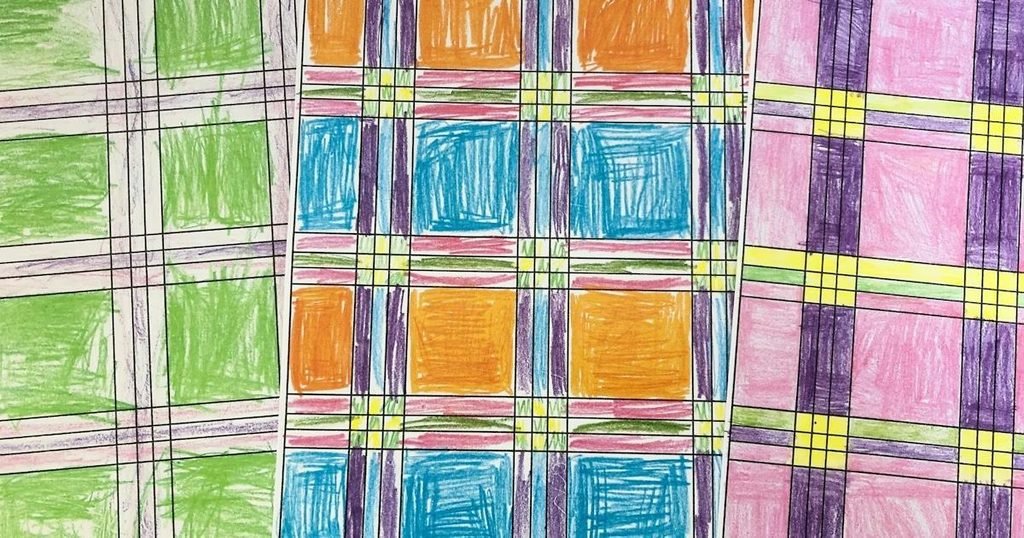
Step 1: Draw a basic grid.
Begin by drawing a rectangle or square on your paper. Use a ruler to create several horizontal and vertical lines that divide the surface into a grid. You can keep the spacing uniform for a simple plaid or vary the distances between lines for a more creative design. This grid will serve as the foundation for your pattern.
Step 2: Select your colours.
Choose a small colour palette that suits your design. Two or three colours are enough for a beginner, while advanced designs can use more colours and additional accent lines. Think about how the colours will interact when they cross one another. A balanced palette will make your plaid design easier to understand and more visually attractive.
Step 3: Draw the horizontal bands.
Identify the horizontal lines you want to emphasise and colour the spaces between them. You can create thick bands, thin bands, or combinations of both. Use coloured pencils, markers, crayons, or digital tools to fill the stripes. Leave some spaces uncoloured if you want the background to remain visible.
Step 4: Draw the vertical bands.
Add vertical stripes using your chosen colours. These lines should cross the horizontal bands to create squares and rectangular sections. You can repeat the same colour in both directions or use different colours for horizontal and vertical stripes. This step transforms your simple grid into a recognisable plaid pattern.
Step 5: Colour the intersections.
Pay attention to the areas where horizontal and vertical bands meet. These overlapping sections can be shaded with darker tones, blended colours, or additional patterns to create the appearance of woven fabric. If you’re using coloured pencils, gently layer colours over one another to achieve a blended effect. The intersections are often what give plaid its distinctive visual character.
Step 6: Add small decorative stripes.
Introduce narrow lines, accent bands, or fine borders to make the plaid design more detailed. You can use a black pen, a darker coloured pencil, or a contrasting colour to create these elements. Fine stripes are particularly useful for drawing traditional tartan-inspired patterns or complex textile designs.
Step 7: Review the pattern.
Check your drawing for consistency, spacing, and colour balance. Make sure the lines are clearly visible and the pattern repeats in a way that looks intentional. If necessary, adjust the thickness of some bands or add extra details. Your plaid drawing is now ready to use as an artwork, textile design concept, fashion sketch detail, or decorative illustration.
17. Tips for Creating Realistic Plaid Designs
Creating a realistic plaid design requires more than simply drawing a grid of coloured lines. The most convincing patterns combine carefully planned stripe widths, balanced colour arrangements, consistent repetition, and an understanding of how woven textiles behave. When designing plaid for fabric, consider how the pattern will appear when the textile is folded, draped, stretched, or worn. A pattern that looks attractive as a flat square may need adjustments when used on a garment with seams, pockets, sleeves, or curved panels.
You can improve your plaid designs by experimenting with colour contrast, stripe scale, and layering. Darker colours can help define the pattern, while lighter shades create breathing space and visual balance. Mixing thick bands with thin accent lines can make the pattern more sophisticated without adding unnecessary complexity. For digital textile design, use repeatable pattern units and check the edges carefully to ensure that the pattern tiles seamlessly. For hand-painted or hand-drawn designs, a ruler, consistent spacing, and a carefully planned colour sequence can make a significant difference. If your plaid design is intended for apparel production, consider the garment’s fabric width, pattern repeat, cutting layout, and matching requirements during sewing.
18. Common Mistakes to Avoid When Creating Plaid
One of the most common mistakes when creating plaid is using too many colours without planning the arrangement. A pattern with excessive colours, random stripe widths, or inconsistent spacing may appear visually confusing rather than attractive. Beginners sometimes draw horizontal stripes without considering how the vertical lines will interact with them, which can lead to an unbalanced final design. Planning the pattern before painting, drawing, or printing helps avoid these problems and creates a more organised result.
Another common mistake is ignoring the scale of the pattern. Very large plaid designs may not suit every garment, while extremely small patterns can lose their visual impact when viewed from a distance. Designers should also consider how plaid lines will align across garment seams, pockets, collars, and other construction details. In apparel manufacturing, poorly matched plaid patterns can affect the finished garment’s appearance, particularly when symmetry and alignment are important. Choosing appropriate fabric, checking pattern repeats, and creating clear design specifications can help improve the overall quality of plaid clothing.
19. Plaid Pattern Trends and Creative Applications
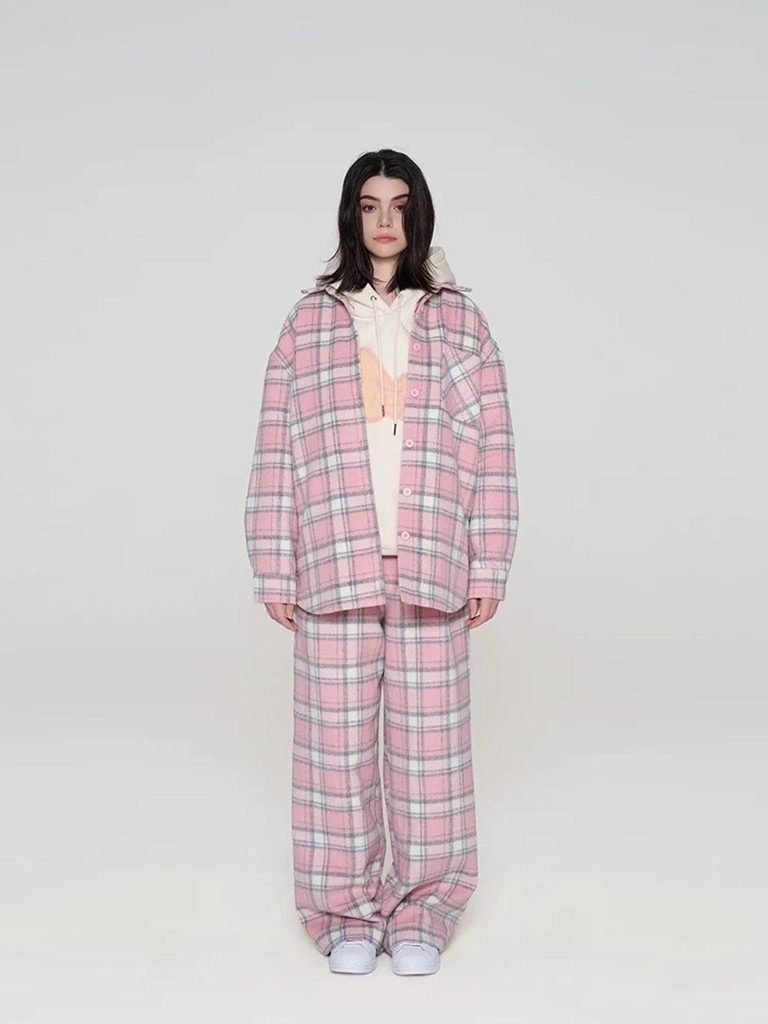

Plaid continues to inspire fashion designers, textile artists, graphic designers, and home décor creators because it can be reimagined in countless ways. Contemporary plaid designs may feature pastel shades, oversized checks, asymmetrical stripe arrangements, monochromatic palettes, colour-blocked combinations, and digital interpretations. The pattern can be adapted for casual streetwear, luxury tailoring, contemporary womenswear, menswear, childrenswear, seasonal collections, and accessories. Designers often experiment with scale and placement to create garments that feel fresh while retaining the familiar plaid structure.
Plaid also offers opportunities beyond traditional clothing. Digital artists can use plaid patterns for illustrations, backgrounds, packaging, branding, and creative content. Textile designers can develop custom plaid repeats for fabric printing, woven collections, and private-label products. Home décor creators can incorporate plaid into cushions, throws, curtains, rugs, and decorative accessories. For garment manufacturers and fashion brands, plaid can be developed into custom shirts, jackets, trousers, skirts, dresses, and coordinated collections by adjusting the fabric, colours, pattern size, and garment construction. The pattern’s adaptability makes it a useful design choice for brands seeking timeless textile styles with room for creative innovation.
20. Conclusion: Plaid Is a Timeless Textile Design
Plaid is much more than a pattern of intersecting lines. It represents a versatile textile design that has evolved through historical traditions, fashion innovation, textile manufacturing, and creative art. Understanding plaid meaning, exploring different types of plaid patterns, and learning about plaid fabric can help you appreciate the design’s flexibility and practical applications. From classic tartan-inspired textiles and everyday flannel shirts to contemporary clothing, home décor, and digital artwork, plaid continues to offer endless creative possibilities.
Whether you want to paint a plaid pattern, draw a plaid pattern by hand, design fabric for clothing, or incorporate plaid into your fashion collection, the process begins with understanding its structure. Choose your colours carefully, experiment with stripe widths, pay attention to intersections, and explore different materials and techniques. With practice, you can create plaid designs that are visually balanced, distinctive, and suitable for a wide range of creative projects.
Frequently Asked Questions (FAQs)
1. What is a plaid pattern?
A plaid pattern is a design made from intersecting horizontal and vertical stripes in different colours and widths. These lines create squares or rectangular shapes that form a repeated pattern commonly used in clothing, textiles, accessories, and home décor.
2. What is the meaning of plaid?
Plaid refers to a pattern of coloured lines crossing one another at right angles to create a checked or grid-like appearance. The term is also historically used for a piece of tartan cloth worn as part of traditional Scottish dress.
3. What is plaid fabric made of?
Plaid fabric can be made from cotton, wool, flannel, polyester, linen, viscose, or blended fibres. The plaid design may be woven into the textile or printed onto its surface, depending on the manufacturing method.
4. How do you paint a plaid pattern?
To paint a plaid pattern, start with a base colour, then add horizontal stripes followed by vertical stripes. Allow the paint to dry between layers when necessary, and use overlapping colours, narrow accent lines, and different stripe widths to create a more detailed design.
5. How do you draw a plaid pattern?
To draw a plaid pattern, use a ruler to create horizontal and vertical lines on paper. Choose your colours, fill the stripes, colour the intersections, and add thin accent lines to make the design more realistic. You can use coloured pencils, markers, or digital drawing software.