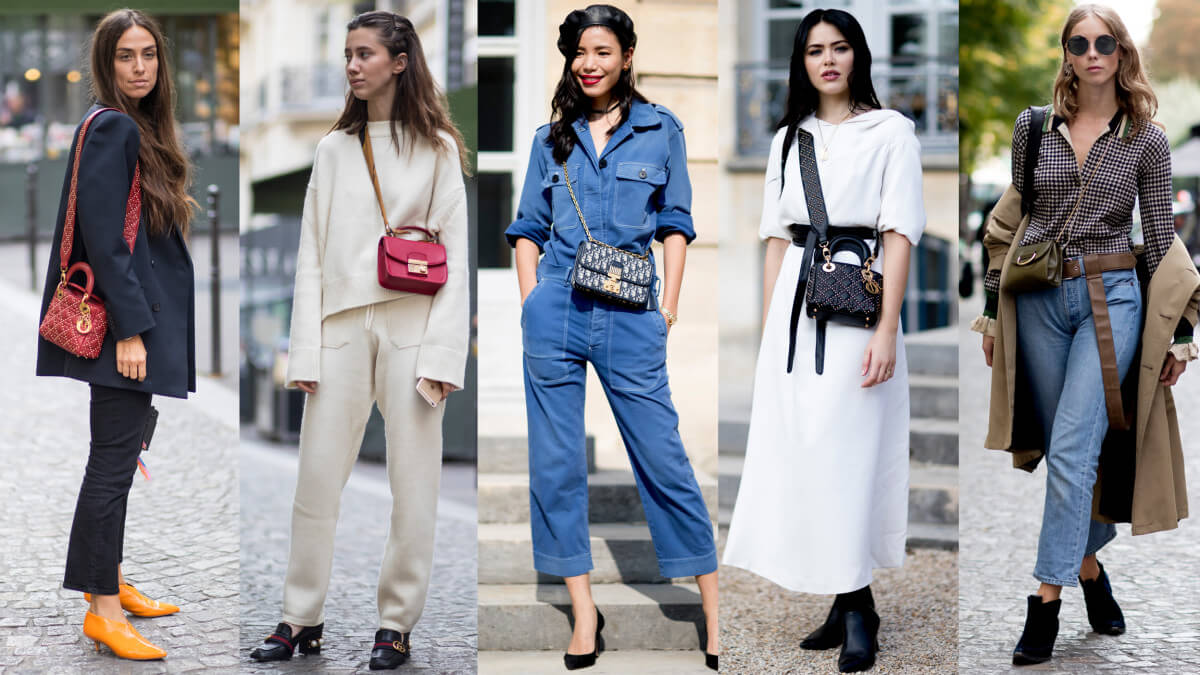
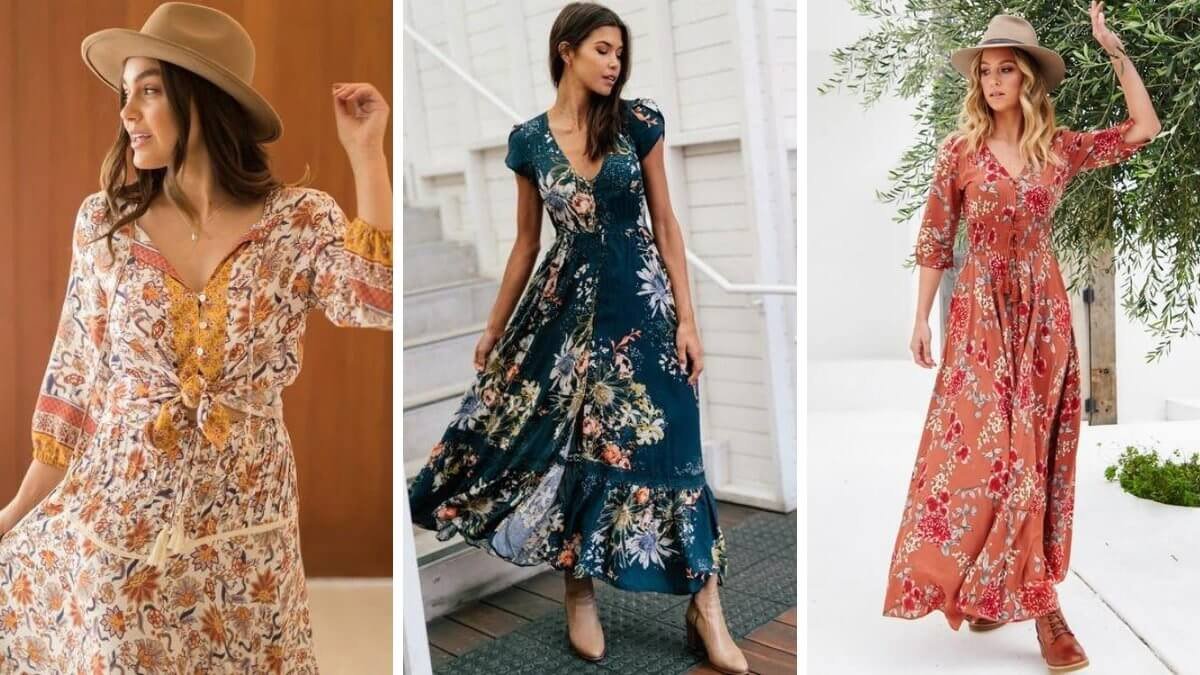
In a world increasingly dominated by fast fashion, the shift toward slow fashion has gained traction, promoting sustainable choices that benefit both consumers and the environment. One of the most impactful ways to embrace this movement is by supporting local slow fashion brands, or “Marken” as they’re known in German-speaking regions. This guide explores the benefits of shopping local slow fashion, how it supports your community, and why it plays a vital role in reducing your carbon footprint.
What is Slow Fashion?
Slow fashion is an approach to clothing that emphasizes quality over quantity, sustainability over trends, and ethical practices over exploitative labor. It advocates for purchasing fewer items but ensuring those items are durable, timeless, and produced with care for the environment. By purchasing from sustainable clothing manufacturers, consumers can align their values with their shopping habits.
Benefits of Supporting Local Slow Fashion Marken
1. Strengthening the Local Economy
When you buy from local slow fashion Marken, the money spent stays within the community, helping to bolster the local economy. Local brands often employ local artisans and craftspeople, thereby creating jobs and ensuring that the community thrives. This economic flow fosters a cycle of support that benefits everyone.
2. Reducing Your Carbon Footprint
Transportation is one of the largest contributors to carbon emissions in the fashion industry. By choosing to shop local, you opt for products that often require less transportation, thus significantly reducing your carbon footprint. Local brands typically source materials and manufacture within closer proximity, which minimizes environmental impact.
3. Promoting Ethical Practices
Many local slow fashion Marken prioritize ethical manufacturing processes. They often use small-scale production methods that adhere to fair labor practices and environmental sustainability. By supporting these brands, you contribute to a future where ethical treatment of workers is the norm rather than the exception.
4. Encouraging Craftsmanship
Local slow fashion brands often focus on artisanal craftsmanship, producing unique items that reflect local culture and traditions. This emphasis on quality and individuality leads to garments that are not only more durable but also more expressive. Investing in such pieces can offer a significant contrast to the generic products often found in fast fashion outlets.
5. Building Community Connections
Supporting local brands fosters a sense of community. You can often meet the makers, learn about their processes, and develop a personal connection to the items you purchase. This connection creates a more meaningful shopping experience and enriches your local culture.
How to Identify Local Slow Fashion Marken?
1. Research
Look for brands that emphasize transparency in their production processes. Understanding where and how clothing is made can guide your purchasing decisions. Brands that are committed to sustainable practices will often proudly share their stories.
2. Check Certifications
While not mandatory, certifications can provide insight into a brand’s commitment to sustainability. Look for labels like GOTS (Global Organic Textile Standard), OEKO-TEX, or Fair Trade. These certifications indicate that a brand adheres to specific ethical and environmental standards.
3. Explore Local Retailers
Visit local boutiques and markets that specialize in slow fashion. These retailers curate collections from various local brands, making it easier for you to find sustainable choices without extensive research.
4. Engage with Social Media
Follow local brands on social media platforms. They often share updates about their production processes, upcoming collections, and ways to get involved with the community. Engaging with these brands online also allows you to ask questions and learn more about their practices.
Shopping Local: What to Look For
When you decide to support local slow fashion Marken, consider the following attributes:
1. Sustainable Materials
Brands that genuinely adhere to slow fashion principles usually prioritize sustainable materials such as organic cotton, hemp, or Tencel. These fabrics have a lower environmental impact compared to conventional alternatives.
2. Ethical Manufacturing Practices
Research the brand’s manufacturing practices. Are their workers paid fairly? Do they adhere to labor laws? Brands that focus on ethical practices are typically more transparent about their operations.
3. Customization Options
Many local slow fashion brands offer custom clothing solutions, allowing you to tailor items to your personal preferences. This level of customization not only enhances your shopping experience but also reduces waste associated with mass production.
4. Support from Private Label Clothing Manufacturers
Some local brands collaborate with private label clothing manufacturers to develop their unique lines. This partnership can facilitate unique designs and allow local brands to grow while maintaining their commitment to quality and sustainability.
5. Made in Germany Confidence
For those in Germany, look for brands that label their products as “Made in Germany.” These brands often adhere to strict regulations and high-quality standards, ensuring that their products are both ethical and sustainable. Clothing manufacturers in Germany often pay close attention to environmental and labor standards, making them a good choice for conscientious consumers.
Making the Switch: Tips for Embracing Slow Fashion
Transitioning to slow fashion doesn’t have to be overwhelming. Start with small changes and gradually build your sustainable wardrobe:
1. Assess Your Wardrobe
Take a look at your current wardrobe and identify items that you love but rarely wear. Ask yourself what items you truly need and what styles resonate with your personal aesthetic.
2. Invest in Quality Over Quantity
When purchasing new items, focus on high-quality, timeless pieces that you can wear for years. This approach reduces the need for frequent replacements and declutters your closet.
3. Spread the Word
Share your journey toward slow fashion on social media or within your community. Educating others about the benefits of supporting local brands can inspire them to make similar choices.
4. Attend Local Events
Participate in local markets or fashion events that showcase slow fashion brands. This not only introduces you to new products but also fosters community connections.
5. Support Local Initiatives
Get involved in initiatives that promote sustainable fashion within your community. This can include workshops, talks, and projects that highlight local artisans and brands.
Conclusion
Supporting local slow fashion Marken is not just a trend; it’s a responsible choice that benefits our communities and the planet. By purchasing from sustainable high fashion clothing manufacturers and local artisans, you empower yourself to make a difference. As the slow fashion movement continues to grow, every supportive purchase helps promote a more ethical and sustainable future for the fashion industry.
Make the conscious choice today—embrace local slow fashion, reduce your carbon footprint, and contribute to a better world.