Turn Vision Into a Sellable Collection
Every strong fashion brand starts with a clear idea. However, many creators stop before production. High minimum orders often block progress. Fortunately, a private label clothing manufacturer changes this story. They help you start with small orders clothing manufacturers. As a result, you test faster and reduce risk. Moreover, you control design, fit, and branding. Therefore, you can launch with confidence and speed.
What Is a Private Label Clothing Manufacturer?
A private label clothing manufacturer produces garments under your brand name. You own the label and the story. Meanwhile, the factory handles sourcing, cutting, and stitching. In addition, they can manage printing, embroidery, and packaging. This setup saves time and money. More importantly, it keeps your focus on growth and marketing.
Why Small Orders Clothing Manufacturers Matters for Startups
Small order clothing manufacturing lowers the entry barrier. First, you avoid large inventory costs. Next, you validate demand with real customers. Then, you refine designs using feedback. Also, you protect cash flow. Because of this, your brand stays flexible and resilient.
From Concept to Collection: A Clear Roadmap
1) Idea Validation and Market Fit
Start with a clear niche and audience. Then, research trends and price points. After that, sketch a few core designs. Meanwhile, compare competitor offerings. Consequently, you build a focused lineup that sells.
2) Fabric and Trim Selection
Choose fabrics that match your promise. For example, pick cotton for comfort or linen for summer lines. Also, select trims that support durability. In addition, request swatches before sampling. This step prevents costly mistakes later.
3) Sampling and Fit Approval
Sampling turns ideas into garments. First, review construction and measurements. Then, test wash and wear. After that, request changes if needed. As a result, you approve a fit that customers love.
4) Branding and Labeling
Your brand lives in details. Therefore, design woven labels, care tags, and packaging. Also, align colors with your identity. Meanwhile, keep messaging consistent across pieces. Consequently, your collection feels premium and cohesive.
5) Small Batch Production
Once samples pass, start small. For instance, order 50 to 300 units per style. Then, track sell-through rates. Next, reorder winners and cut slow sellers. This approach protects margins and boosts learning.
Must Read : 5 Key Steps to Choose the Best Private Label Clothing Manufacturer
How to Choose the Right Private Label Partner
Experience and Category Focus
Pick a manufacturer with relevant experience. For example, choose knitwear experts for tees and dresses. Likewise, select denim specialists for jeans. This focus improves quality and speed.
Low Minimum Order Quantities
Ask about MOQs before you proceed. Many modern factories offer startup-friendly quantities. Therefore, you can launch without heavy investment.
Quality Control and Compliance
Demand clear quality checks. Also, confirm compliance with export standards. In addition, ask for inspection reports. These steps reduce returns and protect reputation.
Must Read: Different Types of Tops for Women: A Complete Guide to Styles and Names
Communication and Transparency
Strong communication saves time. So, choose partners who share timelines and updates. Moreover, insist on clear pricing and schedules. This clarity builds trust and prevents delays.
Speed to Market: Your Competitive Advantage
Trends change fast. Therefore, speed matters more than ever. With small orders, you can release capsules quickly. Then, you can refresh collections often. As a result, your brand stays relevant and exciting.
Cost Control Without Compromising Quality
Small orders do not mean poor quality. Instead, smart sourcing keeps standards high. For instance, use shared fabric stocks. Also, standardize components across styles. Consequently, you reduce costs while keeping consistency.
Must Read: How to Grow Your T-Shirt Business with the Best T-Shirt Designer Software
Scaling Smart: When to Increase Volumes
Growth should follow data. First, analyze repeat purchases and reviews. Next, forecast demand by channel. Then, increase volumes on proven styles. This method avoids dead stock and cash strain.
Common Mistakes to Avoid
Skipping Sampling
Never skip samples to save time. That shortcut causes returns and bad reviews. Instead, invest early in fit and finish.
Overloading the First Collection
Start focused, not broad. Too many styles confuse buyers and teams. Therefore, launch with a tight, strong edit.
Ignoring Lead Times
Plan for fabric and production timelines. Also, add buffers for shipping. This planning keeps launches on schedule.
How Private Label Helps You Build Brand Equity
Private label gives full control. You decide design, story, and price. Moreover, you own customer relationships. Over time, this control builds loyalty and value. Consequently, your brand becomes an asset, not just a product.
Ecommerce and Omnichannel Ready
Small batches work well online. You can test ads and content quickly. Then, you optimize listings based on results. Also, you can support marketplaces and pop-ups. This flexibility increases reach and revenue.
Sustainability and Responsible Production
Small runs reduce waste. You produce what you sell. In addition, you can choose certified fabrics. Also, you can adopt recyclable packaging. Therefore, your brand aligns with modern values and buyers.
Marketing Advantages of Limited Drops
Limited quantities create urgency. Customers act faster when stock feels scarce. Moreover, drops generate social buzz. As a result, your marketing becomes more efficient and memorable.
Case Flow: A Practical Launch Example
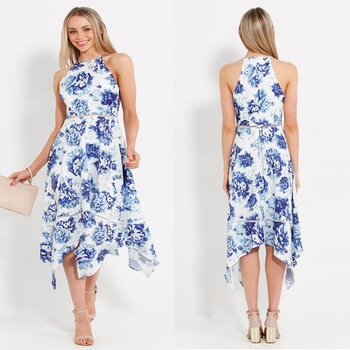
Imagine a summer dress brand. First, the founder designs three styles. Then, the factory creates samples in two fabrics. After approvals, they produce 100 units per style. Next, the brand launches online with influencer content. Sales data shows one style leads. Therefore, they reorder that winner and pause the rest. This cycle repeats and scales.
Working Terms You Should Clarify Early
Confirm payment terms and timelines. Also, define defect allowances and rework policies. In addition, agree on packaging specs. These details prevent disputes and delays.
Technology and Process Improvements
Modern factories use digital patterns and tracking. This tech improves accuracy and speed. Also, it supports consistent sizing across batches. Consequently, your customers enjoy reliable fits.
Long-Term Partnership Strategy
Treat your manufacturer as a partner. Share forecasts and plans. In return, you get better pricing and priority slots. This relationship supports stable growth and innovation.
Build Faster, Smarter, and With Confidence
A private label clothing manufacturer makes brand building accessible. Small orders reduce risk and boost speed. Moreover, you keep control over quality and story. Therefore, you can move from idea to revenue with clarity. Start focused, learn fast, and scale what works. Your fashion brand can grow strong, one smart batch at a time.