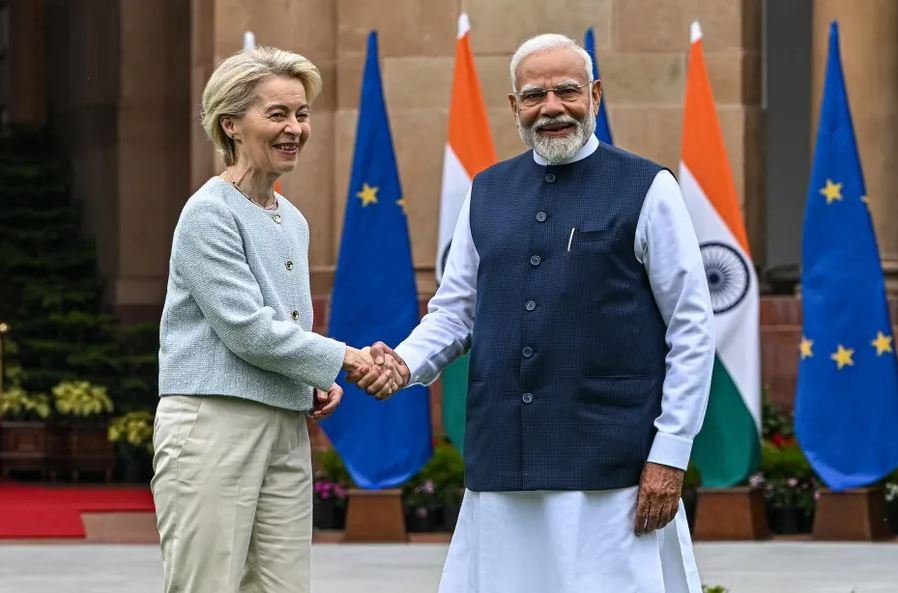
The global fashion industry is in a constant state of evolution, driven by changing consumer preferences, technological advancements, and international trade dynamics. One of the most promising developments in recent years has been the India-European Union (EU) Trade Deal, which aims to foster economic relations and bolster trade between the two regions. This agreement offers unique opportunities for the fashion sectors in India and Europe to collaborate and innovate like never before.
Understanding the India-EU Trade Deal
The India-EU Trade Deal seeks to enhance mutual trade by reducing tariffs, eliminating trade barriers, and facilitating smoother regulations. This framework not only opens new markets for Indian textile and apparel manufacturers but also allows European fashion brands to tap into India’s rich heritage of craftsmanship and textiles. With a focus on sustainable trade practices, both parties aim to promote ethical sourcing and environmentally friendly production methods.
The Benefits of Enhanced Collaboration
- Diverse Product Offerings One of the primary advantages of the India-EU Trade Deal is the diversification of product offerings. Indian manufacturers are renowned for their intricate handwoven textiles, traditional embroideries, and sustainable practices derived from ancient craftsmanship. Meanwhile, European brands bring high-fashion aesthetics, innovative designs, and advanced technology in garment production. By collaborating, Indian manufacturers can leverage European design sensibilities to create products that appeal to the European market, while European brands can introduce Indian textiles and craftsmanship to their collections. This synergy allows for a broader range of offerings that cater to diverse consumer tastes.
- Innovation in Sustainable Fashion Sustainability is a critical focus in today’s fashion landscape. The EU has stringent environmental standards and regulations aimed at promoting sustainable practices within the industry. With the India-EU Trade Deal, Indian manufacturers are encouraged to adopt sustainable methods in their production processes, particularly in areas such as water conservation, waste reduction, and the use of organic materials. Collaborations between Indian and European brands can lead to innovative approaches to sustainability. For instance, European brands can partner with Indian artisans to develop eco-friendly collections that showcase traditional techniques while adhering to modern sustainability standards. This not only enhances the product’s appeal but also benefits local communities engaged in craftsmanship.
- Access to New Markets The trade deal opens avenues for Indian fashion brands to penetrate the European market more easily. With reduced tariffs and collaborative frameworks, Indian designers and manufacturers can reach a broader audience in Europe, showcasing their unique styles and products. Simultaneously, European brands benefit from gaining access to the rapidly growing Indian market. With its diverse consumer base and increasing disposable income, India represents a lucrative opportunity for European fashion labels to expand their reach.
- Cultural Exchange and Fusion Styles Fashion is inherently a reflection of culture. The India-EU Trade Deal paves the way for a vibrant exchange of cultural influences. This exchange fosters a melting pot of styles, leading to innovative designs that blend traditional Indian aesthetics with modern European sensibilities. For example, collaborations can result in collections that combine Indian silhouettes with European fabrics or avant-garde designs that retain the essence of traditional craftsmanship. Such fusion styles not only cater to the consumer’s desire for unique products but also promote cross-cultural understanding.
Challenges and Considerations
While the India-EU Trade Deal presents numerous opportunities for enhanced fashion collaborations, there are challenges to address:
- Regulatory Hurdles: Navigating the regulations associated with the trade deal can be complex. Fashion brands must stay informed about compliance with both Indian and EU regulations, particularly in terms of labor rights and environmental standards.
- Logistics and Supply Chain: Efficient logistics and supply chain management are crucial for successful cross-border trade. Brands must develop robust systems to ensure timely delivery and quality control across different markets.
- Consumer Perception: It’s essential to understand the preferences and needs of consumers in both regions. Conducting market research and adapting marketing strategies to resonate with local consumers will be critical for success.
Future Outlook
The India-EU Trade Deal marks a significant milestone in international trade, particularly in the fashion industry. As brands increasingly seek to capitalize on the opportunities presented by this agreement, we can expect to see:
- Increased Collaborations: More partnerships between Indian and European brands will emerge, leading to unique collections that blend the best of both worlds.
- Growth in Sustainable Practices: The focus on sustainability will drive innovation in design and production, resulting in a more ethical fashion industry.
- Enhanced Consumer Awareness: As consumers become more conscious of the origins and impacts of their fashion choices, transparency in sourcing and production will become paramount.
Conclusion
The India-EU Trade Deal aims to transform the fashion landscape by promoting partnerships between Indian manufacturers and European brands. This collaboration is poised to enhance diversity, sustainability, and innovation within the fashion industry, benefiting both regions. With a focus on Private Label Clothing Manufacturers, Small Order Clothing Manufacturers, and Sustainable Clothing Manufacturers, consumers can anticipate unique offerings that highlight the rich heritage of Indian craftsmanship, while also embracing modern design and eco-friendly practices. This exciting journey from India to Europe is just beginning, and the opportunities are limitless.