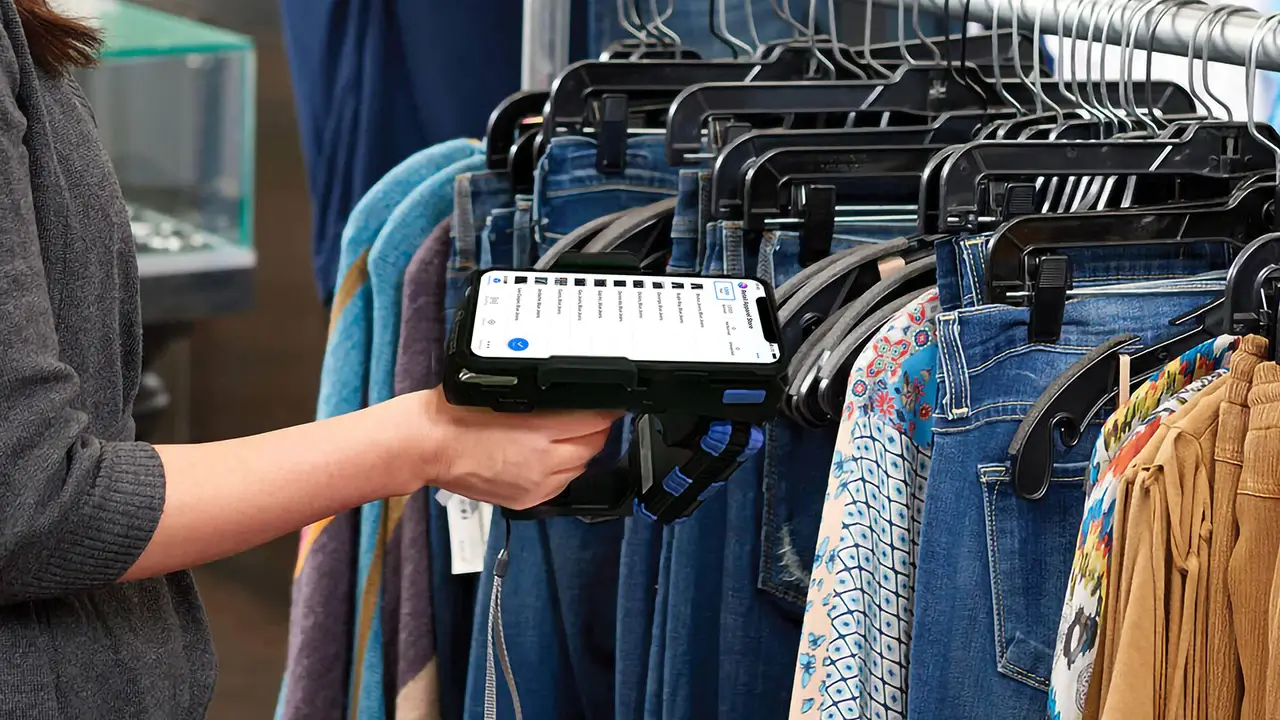
In a world where retail and supply chain efficiency is increasingly vital, apparel brands and uniform rental services are turning to RFID solutions to transform inventory tracking and asset management. But what exactly makes this technology revolutionary? From what is RFID technology to how does RFID work in clothing, understanding RFID’s role is essential for businesses looking to streamline operations and improve accuracy.
One of the most promising innovations is the RFID embedded pocket tag—a single, discreet tag placed in a garment that can dramatically simplify garment tracking. Whether you’re managing large inventories of fashion stock or coordinating RFID uniform rental programs, this approach is redefining how clothing and textiles are managed.
This blog explores what is RFID tag, how RFID clothing tags fit into modern apparel systems, and why the future of retail and uniform management lies with a well-designed RFID solution.
What Is RFID Tag and Why It Matters
At its core, an RFID tag is a tiny electronic device that stores data and communicates with a reader using radio waves. When embedded into clothing, it allows businesses to track individual items in real time.
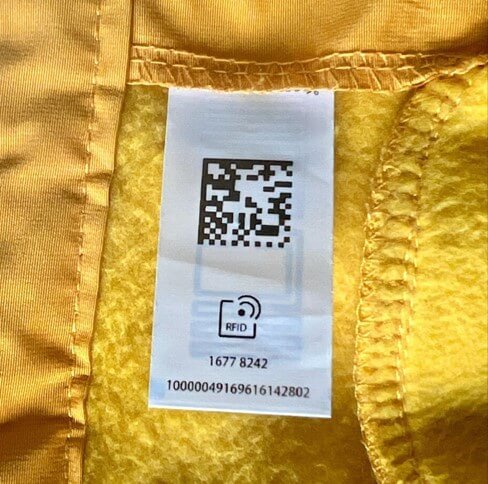
RFID technology works by using a small chip and antenna that respond to an RFID reader’s signal. When the reader sends out radio waves, the chip activates and sends back its stored information.
In the context of retail and inventory, RFID clothing tags offer several advantages:
- Automated tracking without manual scanning
- Faster inventory counts
- Reduced shrinkage and loss
- Enhanced data accuracy
Understanding what is RFID technology helps businesses unlock these operational benefits and reduce reliance on traditional barcode systems.
How RFID Works in Clothing and Apparel
One of the most frequent questions about this technology is: how does RFID work in clothing? The process starts when an RFID tag is embedded in the garment—often sewn into a label, pocket, or seam.
Here’s how the system functions:
- Embedding the Chip – An RFID chip is placed into the garment, usually within a pocket tag or under the fabric.
- Signal Communication – An RFID reader emits a signal that activates the chip.
- Data Transmission – The chip sends back stored information—such as product ID, size, or ownership status.
- Inventory System Update – The reader transfers data to software that updates inventory records in real time.
This process is what sets RFID tags on clothes apart from barcodes, which require line-of-sight scanning and manual intervention.
In environments where high volumes of items move regularly—like retail stores, warehouses, or uniform service providers—this automated system ensures data accuracy and operational efficiency.
RFID Clothing Tags vs Traditional Tracking
Traditional methods such as barcodes or manual checks are still widely used in the apparel industry. However, they come with limitations:
- Barcodes need line-of-sight scanning
- Manual counts are time-consuming
- Higher chances of human error
By contrast, RFID clothing tags can be read automatically in bulk and updated instantly in digital systems. This shift from manual to automatic identification significantly improves both speed and reliability.
Retailers also gain insight into product movement with precision. For example, a clothing item with an RFID chip can be tracked from the warehouse to the shop floor, and even through customer returns—all without any physical scanning.
RFID Cloth Tags: Durable and Discreet
When discussing RFID cloth solutions, one of the key benefits is durability. Unlike rigid tags that can break or detach, cloth-embedded RFID tags are designed to withstand regular wear, wash cycles, and handling.
This durability is essential for businesses that handle large volumes of garments, including uniform rental services and high-turnover fashion lines.
RFID chips in clothing are typically encapsulated in protective materials to ensure long life and consistent performance. The result is a reliable tracking mechanism that stays effective over the garment’s lifecycle.
The Role of RFID in Apparel Retail
In retail environments, RFID for apparel offers a competitive edge by enabling precise stock visibility. Store managers can take inventory more frequently without disrupting operations. With RFID tags on clothes, staff can locate specific items instantly and manage stock levels with confidence.
This is particularly beneficial during peak seasons or promotional events when demand fluctuates and stock counts must be accurate.
Additionally, RFID enhances customer experience by reducing out-of-stock situations and supporting omnichannel strategies like “buy online, pick up in store.” When a customer requests a size or style, staff can use RFID readers to locate the item quickly without combing through racks manually.
RFID in Uniform Rental and Asset Management
The use case for RFID goes beyond retail fashion. RFID uniform rental services have seen notable improvements in operational efficiency due to tag-based tracking. Service providers managing uniforms for industries like healthcare, hospitality, or public services often deal with thousands of items at once.
By embedding RFID tags on clothes, businesses gain:
- Automated check-in/check-out processes
- Reduced loss and misplacement
- Faster turnover cycles
- Real-time asset visibility
This level of management is nearly impossible with traditional tracking methods.
Benefits of Single Embedded RFID Pocket Tag
One of the most effective approaches in apparel management is the single embedded RFID pocket tag. Rather than placing multiple tags on a garment, a single tag is embedded during apparel manufacturing—often in a pocket or liner—making it discreet and tamper-resistant.
Advantages include:
1. Less Visual Disruption
Unlike visible tags or bulky devices, a single embedded tag preserves the garment’s appearance, which is especially important for fashion brands.
2. Simplified Inventory Management
Since only one tag per item is needed, systems are easier to maintain, and data remains clean and accurate.
3. Improved Wash and Wear Resistance
Embedded tags survive washing and handling better than external tags. This is especially valuable for uniforms and textile items that go through frequent laundering.
4. Cost Efficiency
Using a single tag reduces material and labor costs while maintaining full tracking functionality.
Overall, this method maximizes the benefits of RFID technology while minimizing disruptions to product design and user experience.
Common Misconceptions About RFID in Clothing
Despite its advantages, many businesses still ask skeptical questions about RFID. Let’s address some common concerns:
“Does RFID affect garment quality?”
No. When properly designed, RFID chips are small, flexible, and embedded in a way that does not impact comfort or appearance.
“Is RFID expensive?”
Initial setup costs exist, but long-term operational improvements deliver ROI in reduced labor costs, fewer errors, and better inventory accuracy.
“Is it complicated to implement?”
With modern software and hardware, integrating RFID tags on clothes into existing systems is increasingly straightforward.
Understanding what is RFID technology and its real-world applications helps businesses overcome hesitation and adopt solutions that drive efficiency.
RFID and Data Analytics: New Insights into Apparel Operations
One underappreciated benefit of RFID is its ability to feed real-time data into analytics systems. With automated scanning, businesses can monitor inventory movement, buying trends, and item lifecycles.
This data can be used to:
- Forecast demand more accurately
- Manage stock replenishment
- Track product returns and resale patterns
- Enhance supply chain planning
Such insights are invaluable in competitive retail and rental markets.
The Future of RFID for Apparel and Uniforms
As RFID clothing tags become more affordable and technology improves, adoption will only grow. The future of apparel management rests on technologies that provide real-time visibility and seamless tracking.
Whether you’re a fashion retailer or a RFID uniform rental provider, investing in RFID now positions your business for long-term success.
Conclusion: Why RFID Is the Future of Apparel Management
So, what is RFID tag technology in clothing and why does it matter? In essence, it enables automated identification and data capture, transforming how garments are tracked, managed, and analyzed.
From RFID chips in clothing to full-scale implementation of RFID for apparel and uniforms, the advantages are clear:
- Faster inventory counts
- Lower shrinkage and loss
- Better stock visibility
- Enhanced customer experience
- Real-time data insights
The single embedded RFID pocket tag represents the next evolution in apparel management. By streamlining tracking and reducing disruption, it helps companies stay agile, competitive, and ready for the future.