Introduction to Viscose Fabric
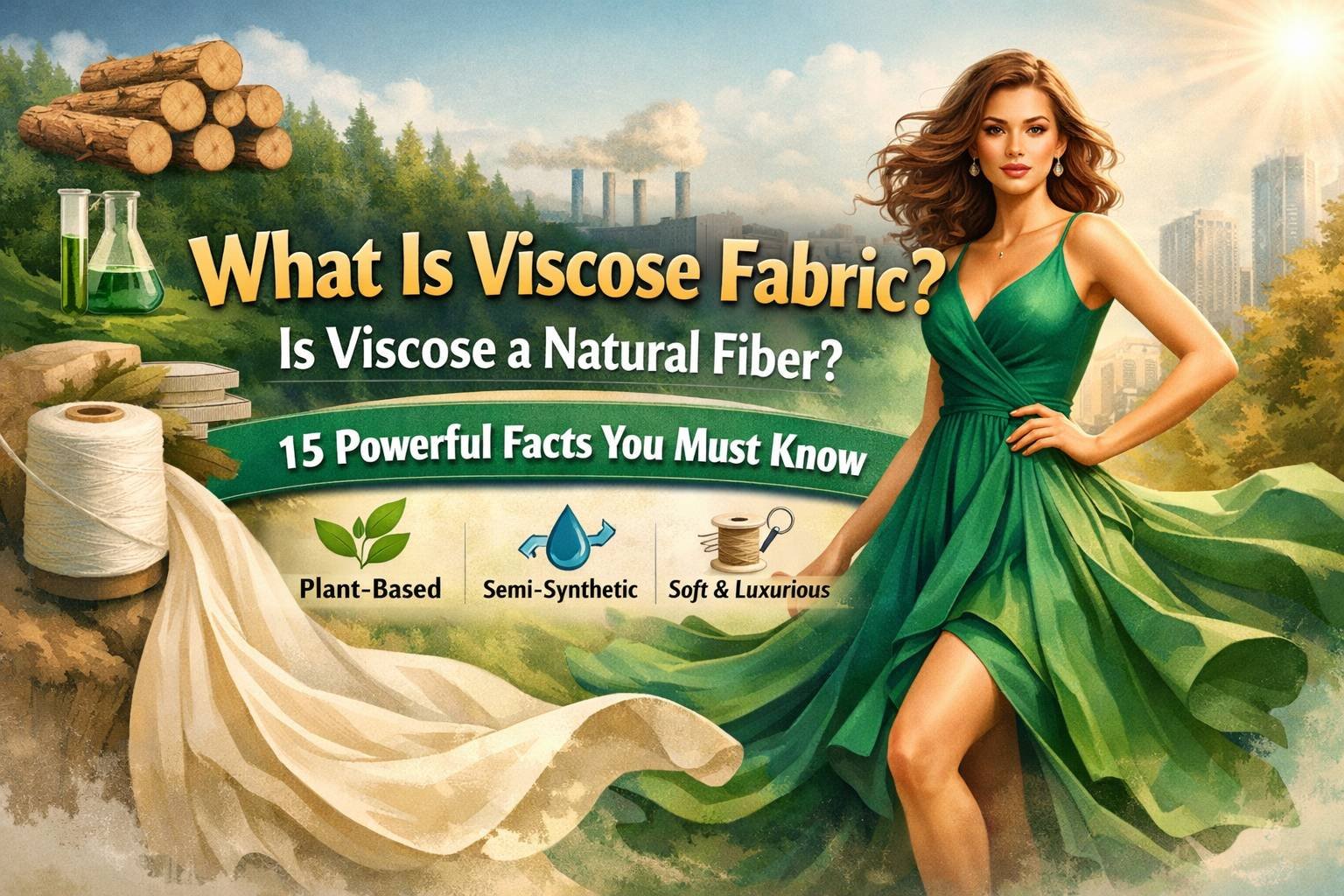
Viscose has quietly become one of the most widely used fabrics in the global fashion industry. If you’ve ever wondered what is viscose fabric, what is viscose material, is viscose a natural fiber, you’re not alone. Many shoppers see viscose labels but don’t fully understand what they mean.
Simply put, viscose is a soft, breathable textile made from plant-based cellulose that undergoes chemical processing to become wearable fiber. Because of this hybrid nature, viscose sits somewhere between natural and synthetic fabrics.
Today, viscose appears everywhere — from luxury dresses and blouses to casual t-shirts, linings, and even home textiles. Designers love it because it mimics expensive fabrics like silk while remaining affordable.
Let’s explore the fabric in depth — its origins, production, properties, sustainability, and why fashion brands worldwide rely on viscose.
The Origin and History of Viscose
The story of viscose dates back to the late 19th century, when scientists searched for a cheaper alternative to silk.
- Silk was luxurious but expensive.
- Cotton required large agricultural resources.
- The textile industry wanted an affordable yet elegant fabric.
In 1892, British chemists Charles Cross, Edward Bevan, and Clayton Beadle invented the viscose process. Their goal was simple: create artificial silk from natural sources.
By the early 1900s, viscose became widely known as “rayon”, often marketed as artificial silk. Fashion houses quickly adopted it because it offered:
✔ Smooth drape
✔ Elegant shine
✔ Lightweight comfort
✔ Lower cost than silk
Over time, viscose evolved into a cornerstone fiber used in modern fashion production.
What Is Viscose Material Made From?
Understanding what is viscose material requires looking at its core ingredient: cellulose.
Natural Raw Materials
Viscose begins its life as wood pulp derived from fast-growing trees such as:
- Eucalyptus
- Beech
- Pine
- Bamboo
- Spruce
These plants contain cellulose — a natural polymer forming plant cell walls.
So yes, viscose starts from natural plant matter.
Chemical Processing Explained
However, raw wood pulp can’t be spun directly into fabric. Manufacturers must transform cellulose into fiber using chemical treatments.
The process includes:
- Extract cellulose from wood pulp.
- Treat with sodium hydroxide.
- Convert into viscose solution.
- Spin liquid into fibers.
- Regenerate fibers into solid threads.
Because chemicals are used, viscose becomes a regenerated fiber, not purely natural.
Is Viscose a Natural Fiber or Synthetic?
This question appears constantly: is viscose a natural fiber?
The correct answer is — viscose is a semi-synthetic fiber.
Why Not Fully Natural?
Natural fibers like cotton or wool grow ready to spin. Viscose must be chemically altered before use.
Why Not Fully Synthetic?
Synthetic fibers such as polyester come from petroleum. Viscose originates from plants.
👉 Therefore, viscose belongs to a unique category:
Regenerated Cellulosic Fiber
Examples include:
- Rayon
- Modal
- Lyocell (TENCEL™)
This hybrid identity explains why viscose combines natural comfort with engineered performance.
Manufacturing Process of Viscose Fabric
The production of viscose is fascinating because it transforms solid wood into soft fabric.
Step-by-Step Production
| Step | Process |
|---|---|
| 1 | Harvest trees and extract pulp |
| 2 | Purify cellulose |
| 3 | Treat with chemicals |
| 4 | Create viscose solution |
| 5 | Spin into fibers |
| 6 | Wash and bleach |
| 7 | Dry and weave into fabric |
During spinning, fibers pass through spinnerets — tiny holes that shape the filament.
The result?
A fiber that behaves like silk yet remains breathable like cotton.
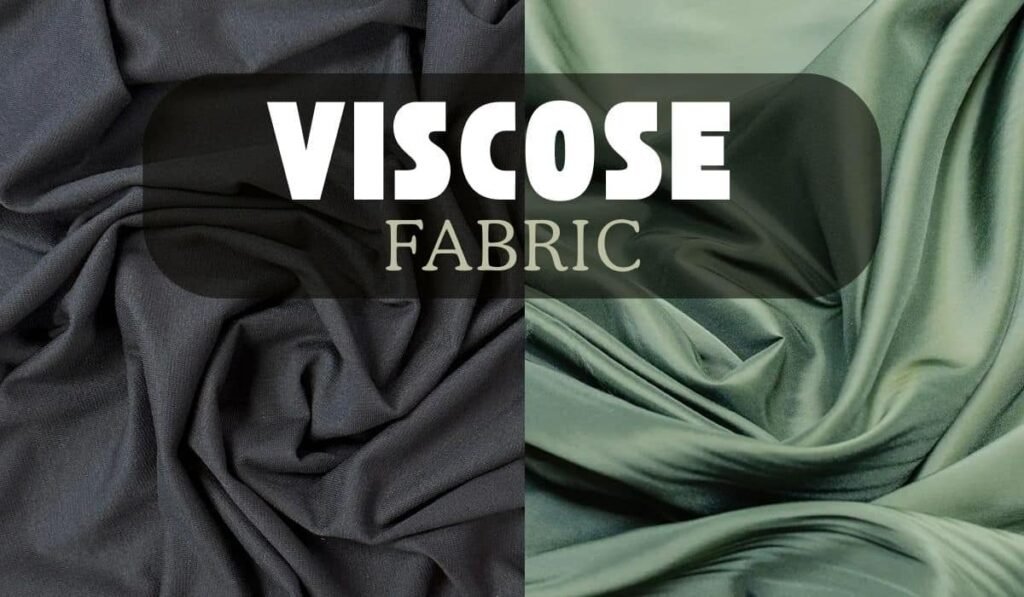
Key Characteristics of Viscose Fabric
Viscose stands out because of its unique combination of qualities.
Texture, Feel & Breathability
Viscose feels:
- Soft and silky
- Lightweight
- Cool against skin
- Highly breathable
These properties make it perfect for hot climates and summer clothing.
Major Features
✔ Excellent drape
✔ Smooth finish
✔ High absorbency
✔ Dye-friendly surface
✔ Comfortable wear
Unlike polyester, viscose allows air circulation, preventing excessive sweating.
Advantages of Viscose Fabric
Now that we understand what is viscose fabric, let’s explore why manufacturers and consumers love it.
1. Luxurious Appearance
Viscose resembles silk at a fraction of the price.
2. Breathable Comfort
It absorbs moisture better than cotton, making it ideal for warm weather.
3. Excellent Dye Retention
Colors appear vibrant and rich.
4. Affordable Fashion
Brands can create premium-looking garments without high production costs.
5. Versatility
Used in:
- Dresses
- Shirts
- Linings
- Activewear
- Curtains
- Upholstery
Disadvantages of Viscose Fabric
No fabric is perfect. Viscose has limitations worth understanding.
Key Drawbacks
❌ Weak when wet
❌ Requires gentle washing
❌ Can wrinkle easily
❌ Environmental concerns in poor manufacturing systems
Still, modern production improvements are reducing these issues.
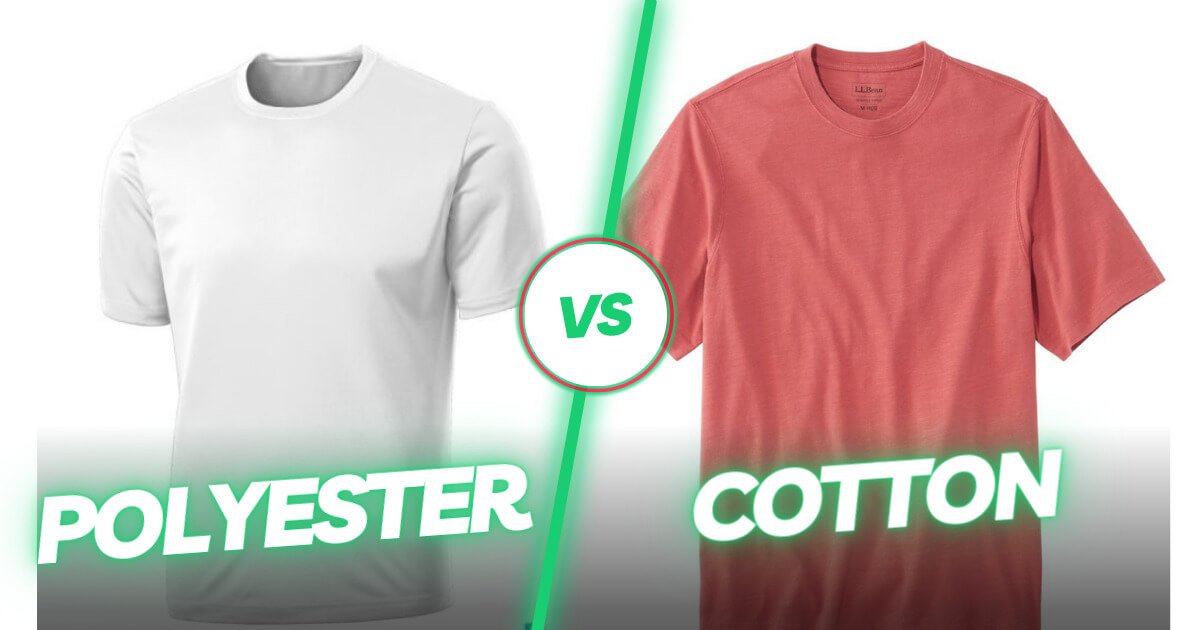
Viscose vs Cotton vs Polyester
Understanding comparisons helps clarify viscose’s role in fashion.
Fabric Comparison Table
| Feature | Viscose | Cotton | Polyester |
|---|---|---|---|
| Source | Wood pulp | Plant fiber | Petroleum |
| Breathability | High | High | Medium |
| Softness | Very soft | Soft | Smooth |
| Sustainability | Moderate | Moderate | Low |
| Cost | Medium | Medium | Low |
| Comfort | Excellent | Excellent | Moderate |
Viscose offers a balanced middle ground between natural and synthetic fabrics.
Common Uses of Viscose Material
Viscose appears across many industries.
Fashion Applications
- Dresses
- Blouses
- Skirts
- T-shirts
- Scarves
- Lingerie
Home & Industrial Uses
- Bedding
- Upholstery fabrics
- Curtains
- Non-woven textiles
Because viscose drapes beautifully, designers frequently choose it for flowing silhouettes.
Is Viscose Fabric Sustainable?
Sustainability is one of the biggest discussions around viscose today.
Environmental Impact
Viscose originates from renewable trees, which sounds eco-friendly. However, traditional manufacturing can involve chemical waste and deforestation.
Responsible production focuses on:
- Certified forests (FSC)
- Closed-loop systems
- Chemical recycling
- Water management
A good example of sustainable innovation is Lyocell, produced using environmentally safer methods.
How to Care for Viscose Clothing
Proper care extends garment life significantly.
Washing Tips
- Hand wash or gentle machine cycle
- Use cold water
- Avoid wringing
- Mild detergent only
Drying Tips
- Air dry flat
- Avoid tumble dryers
Ironing
- Use low heat
- Steam lightly
Taking care prevents shrinkage and maintains fabric softness.
Viscose in Modern Fashion Industry
Modern fashion brands increasingly depend on viscose because it meets three major industry demands:
- Affordability
- Comfort
- Luxury aesthetics
From fast fashion retailers to premium labels, viscose bridges the gap between cost efficiency and style.
Designers appreciate how viscose:
- Moves fluidly
- Accepts prints beautifully
- Works across seasons
As sustainability technologies improve, viscose is expected to play an even larger role in eco-conscious fashion.
Frequently Asked Questions (FAQs)
1. What is viscose fabric used for?
Viscose is used for dresses, shirts, linings, home textiles, and soft fashion garments due to its silky feel.
2. What is viscose material similar to?
It closely resembles silk because of its smooth texture and elegant drape.
3. Is viscose a natural fiber?
Viscose is a semi-synthetic fiber made from natural cellulose but processed chemically.
4. Is viscose breathable?
Yes. Viscose is highly breathable and comfortable in warm climates.
5. Does viscose shrink after washing?
Yes, if washed improperly. Always use cold water and gentle care.
6. Is viscose environmentally friendly?
It can be sustainable when sourced responsibly and manufactured using closed-loop processes.
Conclusion
So, what is viscose fabric, what is viscose material, is viscose a natural fiber?
Viscose represents the perfect fusion of nature and technology. Made from plant-based cellulose yet engineered through modern chemistry, it offers softness, elegance, affordability, and versatility unmatched by many fabrics.
While traditional manufacturing raised environmental concerns, innovations in sustainable viscose production are reshaping its future. As consumers demand comfort and responsibility in fashion, viscose continues evolving into a smarter textile choice.