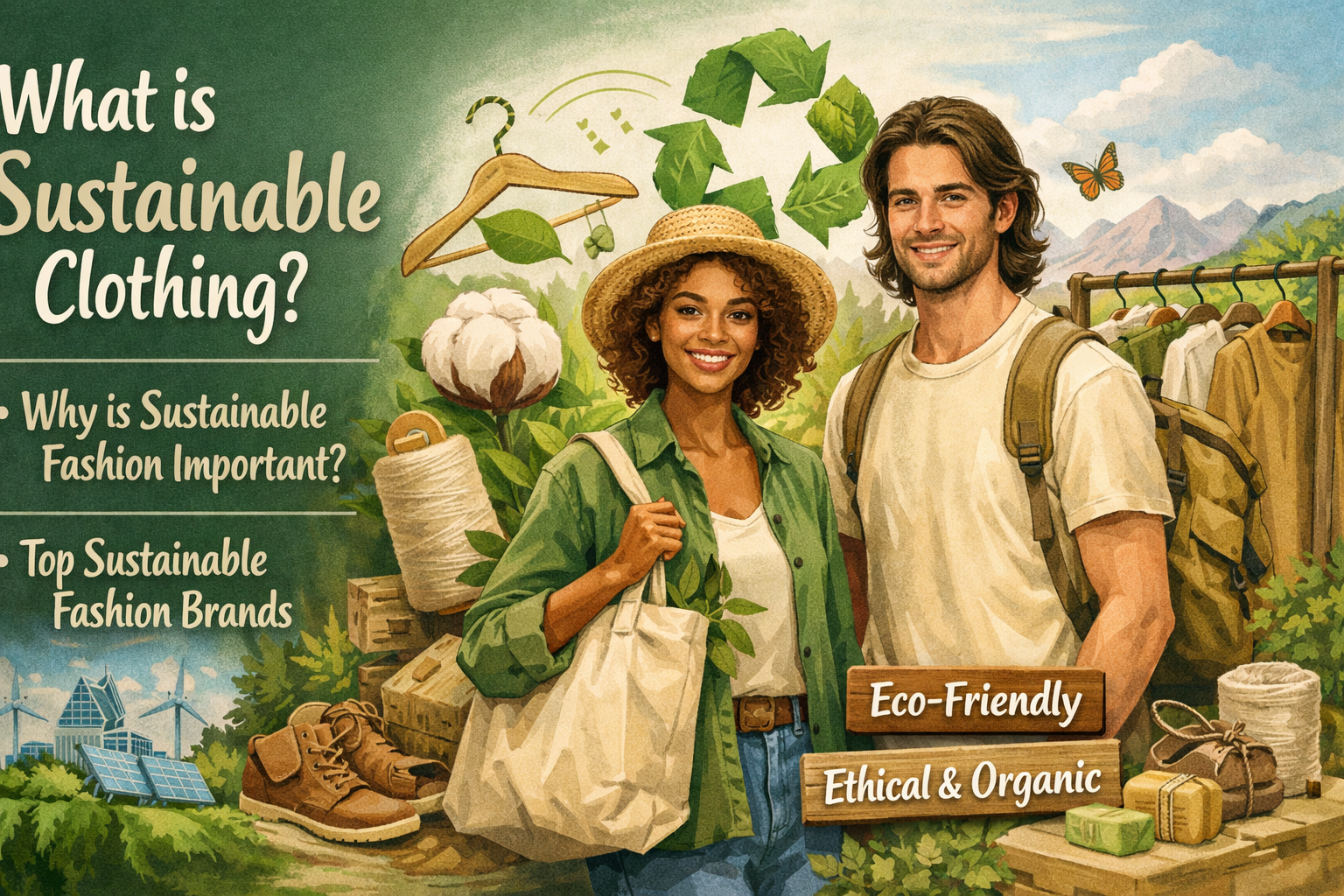
Introduction to Sustainable Fashion
Let’s be honest — fashion is fun. It’s expressive. It’s powerful. The clothes we wear tell a story before we even speak. But behind the glamour of runways, Instagram hauls, and next-day delivery lies a not-so-pretty truth. The fashion industry is one of the largest polluters in the world. Surprised? Most people are.
Sustainable fashion isn’t just another trend riding the wave of eco-conscious living. It’s a necessary shift in how we produce, consume, and think about clothing. Imagine your favorite t-shirt. Now imagine the gallons of water used to make it, the chemicals dumped into rivers during its production, and the workers who may have been underpaid to stitch it together. Suddenly, that simple shirt feels heavier, doesn’t it?
Sustainable clothing aims to reduce that weight — both on your conscience and on the planet. It focuses on minimizing environmental impact, promoting ethical labor practices, and encouraging mindful consumption. Instead of asking, “Is this on sale?” sustainable fashion asks, “Who made this?” and “At what cost?”
We’re living in a time where climate change, pollution, and exploitation can no longer be ignored. And fashion, believe it or not, plays a major role in all of it. So if you’ve ever wondered what sustainable clothing really means, why it matters so much, and which brands are actually walking the talk — you’re in the right place.
Let’s break it down step by step.
What Is Sustainable Clothing?
At its core, sustainable clothing refers to garments that are designed, manufactured, distributed, and used in ways that are environmentally friendly and socially responsible. Sounds simple enough, right? But it goes much deeper than just using “organic” fabric or putting a green leaf logo on a tag.
Sustainable clothing considers the entire lifecycle of a garment — from raw materials to production, transportation, usage, and eventual disposal. Think of it as a cradle-to-grave approach, except the goal is to avoid the “grave” part altogether. Ideally, sustainable clothing can be recycled, repurposed, or biodegraded without harming the planet.
It’s not just about fabric either. It’s about:
- Ethical labor practices
- Fair wages
- Safe working conditions
- Reduced carbon emissions
- Lower water usage
- Minimal chemical pollution
In short, sustainable clothing respects both people and the planet.
But here’s where it gets interesting. Sustainability doesn’t mean boring. It doesn’t mean shapeless beige outfits made from scratchy fabric. Modern sustainable fashion is stylish, innovative, and incredibly diverse. Designers today are creating pieces that compete with — and often outperform — traditional fast fashion in both quality and aesthetic.
Think of sustainable clothing as slow cooking instead of fast food. It takes longer, it’s made with care, and it nourishes rather than harms. Fast fashion might satisfy a quick craving, but sustainable fashion feeds the future.
And the best part? When you buy sustainably, you’re casting a vote for the kind of world you want to live in.
Definition and Core Principles
To truly understand sustainable clothing, we need to look at its core principles. Sustainability in fashion is built on three pillars:
| Pillar | What It Means | Why It Matters |
|---|---|---|
| Environmental Protection | Reducing pollution, conserving water, lowering carbon emissions | Protects ecosystems and reduces climate change impact |
| Social Responsibility | Fair wages, safe workplaces, no child labor | Supports human rights and ethical production |
| Economic Viability | Long-term business sustainability | Encourages responsible growth without exploitation |
These pillars work together. If a brand uses organic cotton but underpays workers, it’s not truly sustainable. If a company treats workers fairly but mass-produces low-quality garments that end up in landfills, it’s still part of the problem.
True sustainable clothing focuses on:
- Renewable or recycled materials
- Biodegradable fabrics
- Minimal waste production
- Transparent supply chains
- Circular fashion models (repair, reuse, recycle)
Think of it as designing clothes with tomorrow in mind. Instead of asking, “How cheaply can we make this?” sustainable brands ask, “How responsibly can we make this?”
And responsibility isn’t just good ethics — it’s smart business. Consumers today are more informed than ever. They’re reading labels, researching brands, and demanding accountability.
Sustainable clothing is not perfection. It’s progress. It’s about doing better today than we did yesterday.
How Sustainable Clothing Differs from Fast Fashion
Fast fashion is like a revolving door — trends come in, get worn a few times, and are thrown out just as quickly. Brands produce massive quantities of inexpensive clothing at lightning speed. The goal? Keep consumers buying.
But here’s the catch: low prices often mean high hidden costs.
Fast fashion relies on:
- Cheap synthetic fabrics like polyester (derived from fossil fuels)
- Underpaid labor in developing countries
- Rapid production cycles
- Massive textile waste
In contrast, sustainable clothing focuses on longevity. It encourages buying fewer, higher-quality pieces that last for years rather than months.
Let’s compare them:
| Fast Fashion | Sustainable Clothing |
|---|---|
| Trend-driven | Timeless designs |
| Low quality | Durable materials |
| High waste | Low environmental impact |
| Cheap labor | Fair wages |
| Mass production | Small-batch or ethical production |
Imagine buying five $10 shirts that fall apart after a few washes versus one $60 shirt that lasts five years. Which one truly costs more?
Fast fashion thrives on impulse. Sustainable fashion thrives on intention.
One promotes overconsumption. The other promotes mindfulness.
And in a world drowning in textile waste — over 92 million tons annually — that difference matters more than ever.
The Environmental Impact of the Fashion Industry
If the fashion industry were a country, it would rank among the top polluters globally. That’s not an exaggeration. It’s responsible for approximately 10% of global carbon emissions — more than international flights and maritime shipping combined.
Let that sink in.
From cotton farming to dyeing, stitching, packaging, and shipping, every stage of clothing production leaves an environmental footprint. And unfortunately, that footprint is massive.
Water Pollution and Waste
The dyeing process alone is one of the largest contributors to water pollution worldwide. Toxic chemicals from textile factories often end up in rivers, affecting ecosystems and communities that rely on those water sources.
Producing a single cotton t-shirt can require over 2,700 liters of water. That’s enough drinking water for one person for nearly three years.
Now multiply that by billions of garments.
Carbon Emissions and Climate Change
Synthetic fabrics like polyester are petroleum-based. Their production releases significant greenhouse gases. Add global shipping and energy-intensive manufacturing, and you’ve got a climate crisis woven into your wardrobe.
Textile Waste Crisis
Most fast fashion items are worn only 7–10 times before being discarded. The result? Mountains of clothing in landfills. Many synthetic fabrics take hundreds of years to decompose.
Sustainable fashion aims to break this cycle by:
- Reducing production volume
- Using biodegradable materials
- Encouraging recycling and resale
- Designing for durability
It’s not just about looking good anymore. It’s about doing good.
Why Is Sustainable Fashion Important?
Let’s pause for a second and ask a simple question: why should you care about sustainable fashion? After all, clothes are just clothes… right? Not quite. What you wear has a ripple effect that stretches far beyond your closet.
Sustainable fashion matters because the traditional fashion industry has quietly become one of the most environmentally damaging industries in the world. Every purchase you make either fuels that damage or helps slow it down. It’s that powerful.
Think about it like voting. Every time you buy a garment, you’re casting a vote for the type of system you support. Cheap, disposable clothing? That supports mass production, overconsumption, and environmental harm. Ethically made, durable pieces? That supports fair wages, safer working conditions, and a healthier planet.
But it’s not just about the planet. It’s about people too. Many garment workers — especially in developing countries — work long hours in unsafe conditions for extremely low pay. Sustainable fashion challenges that system. It pushes brands to provide fair wages, safe workplaces, and transparency.
And then there’s the psychological side. Fast fashion feeds a cycle of constant consumption. New trend, new haul, new closet purge. It creates the illusion that we’re never wearing the “right” thing. Sustainable fashion encourages a different mindset: buy less, choose better, love your clothes longer.
It’s not about perfection. It’s about progress. You don’t have to throw away your entire wardrobe and start over. Sustainable fashion is about making more conscious decisions over time.
When you zoom out, it’s clear: sustainable fashion isn’t just a trend. It’s a necessary shift toward responsibility — for the planet, for workers, and for future generations.
Protecting the Planet
The planet is under pressure. Rising temperatures, polluted oceans, disappearing forests — and yes, fashion plays a role in all of it. Sustainable fashion aims to reduce that impact at every stage of the clothing lifecycle.
First, there’s water usage. Conventional cotton farming uses enormous amounts of water and pesticides. Sustainable alternatives like organic cotton, hemp, and linen require less water and fewer harmful chemicals. That means fewer toxins entering soil and waterways.
Then there’s energy. Fast fashion factories often rely on fossil fuels. Sustainable brands are increasingly turning to renewable energy sources, reducing their carbon footprint. Some brands even calculate and publish their emissions — that’s transparency in action.
Waste is another major issue. Millions of tons of clothing end up in landfills each year. Sustainable fashion tackles this by promoting:
- Circular fashion systems (repair, resale, recycling)
- Durable designs that last longer
- Biodegradable fabrics
- Limited production runs to avoid overstock
Imagine fashion working like nature — nothing wasted, everything reused. That’s the goal.
When brands reduce water consumption, minimize chemical use, and lower carbon emissions, the impact adds up. One brand might not change the world overnight. But collectively? That’s where transformation happens.
Protecting the planet isn’t abstract. It’s practical. It’s about ensuring clean air, safe water, and stable climates for future generations. And yes, your wardrobe can contribute to that mission.
Ethical Labor and Fair Wages
Behind every piece of clothing is a human being. Someone cut the fabric. Someone stitched the seams. Someone packed it for shipping. The question is — were they treated fairly?
The fashion industry has a long history of labor exploitation. Low wages, unsafe working conditions, excessive overtime — these issues are still common in parts of the world where fast fashion production is concentrated.
Sustainable fashion seeks to change that narrative.
Ethical brands prioritize:
- Fair wages
- Safe working environments
- Reasonable working hours
- No child or forced labor
- Worker empowerment programs
Some companies partner directly with artisan communities, providing stable income and preserving traditional craftsmanship. Others conduct third-party audits to ensure factories meet strict labor standards.
Transparency is key. Brands that openly share where and how their clothes are made are usually more trustworthy. If a company hides its supply chain, that’s a red flag.
When you support sustainable fashion, you’re supporting dignity. You’re saying that no one should suffer for the sake of a cheap t-shirt.
It’s easy to disconnect from the human side of fashion because production often happens far away. But sustainable fashion reconnects us. It reminds us that style should never come at the expense of someone else’s well-being.
Clothing should empower — not exploit.
Reducing Overconsumption
Let’s talk about something uncomfortable: we buy too much.
Fast fashion has trained us to treat clothing as disposable. New season? New wardrobe. Sale? Add to cart. Social media outfit repeat anxiety? Buy something new.
This cycle of overconsumption isn’t sustainable — financially, emotionally, or environmentally.
Sustainable fashion encourages a mindset shift. Instead of chasing trends, it promotes timeless pieces. Instead of quantity, it emphasizes quality.
Here’s the truth: most of us wear 20% of our wardrobe 80% of the time. The rest just hangs there. Sustainable fashion asks you to invest in versatile, durable items that you’ll actually wear — again and again.
Building a sustainable wardrobe often means:
- Choosing neutral, timeless designs
- Investing in high-quality fabrics
- Repairing instead of discarding
- Swapping or thrifting instead of buying new
It’s like curating a personal library instead of collecting disposable magazines. Each piece has value. Each item has a purpose.
Reducing overconsumption doesn’t mean giving up style. It means becoming more intentional. And honestly? There’s something freeing about owning less but loving more.
Key Materials Used in Sustainable Clothing
Materials matter. A lot. The fabric you choose determines water usage, chemical impact, durability, and biodegradability.
Let’s explore some of the most common sustainable materials.
Organic Cotton
Organic cotton is grown without synthetic pesticides or fertilizers. That means healthier soil, safer farming conditions, and less water pollution.
Conventional cotton farming is one of the most chemical-intensive agricultural practices in the world. Organic cotton reduces that burden significantly.
Benefits of organic cotton:
- Uses less water
- Avoids toxic pesticides
- Biodegradable
- Softer on sensitive skin
It feels like regular cotton — because it is — just produced in a cleaner, more responsible way.
Hemp and Linen
Hemp is often called a “miracle crop,” and for good reason. It grows quickly, requires minimal water, and doesn’t need harmful pesticides. It also improves soil health.
Linen, made from flax plants, is another low-impact fabric. It’s durable, breathable, and biodegradable.
Both materials are:
- Long-lasting
- Naturally antimicrobial
- Energy-efficient to produce
They may wrinkle easily — but think of those wrinkles as character, not flaws.
Recycled Fabrics
Recycled polyester and nylon are made from post-consumer plastic waste, like water bottles and fishing nets. Instead of creating new plastic, brands repurpose existing materials.
This reduces:
- Landfill waste
- Ocean pollution
- Fossil fuel dependence
However, recycled synthetics can still shed microplastics during washing. That’s why washing bags and filters are helpful additions.
Innovative Eco-Friendly Materials
The future of fashion is innovative. Brands are experimenting with:
- Tencel (made from sustainably sourced wood pulp)
- Piñatex (made from pineapple leaf fibers)
- Mushroom leather
- Orange fiber silk
These materials combine creativity with sustainability, proving that eco-friendly fashion doesn’t mean sacrificing style.
Innovation is reshaping what clothing can be — and how responsibly it can be made
How to Identify Truly Sustainable Brands
Let’s be honest — not every brand that says it’s “eco-friendly” actually is. Words like green, conscious, and ethical get thrown around a lot in marketing. But how do you know what’s real and what’s just clever advertising? This is where things get interesting.
Sustainable fashion isn’t about perfect branding — it’s about measurable action. A truly sustainable brand doesn’t just talk about helping the planet; it shows proof. It shares data. It’s transparent about its process, even when it’s not perfect.
When you’re shopping, start asking simple but powerful questions:
- Where are these clothes made?
- What materials are used?
- Are workers paid fairly?
- Does the brand share impact reports?
- Do they offer repair or recycling programs?
If the answers are hard to find, that’s usually a red flag.
Another key factor is transparency. Brands that openly publish their factories, suppliers, and sustainability goals are generally more trustworthy. They understand that accountability builds trust. On the other hand, vague statements like “We care about the planet” without data or evidence? That’s marketing fluff.
Also, look at pricing. Ultra-cheap clothing is almost never sustainable. Ethical production, fair wages, and eco-friendly materials cost more. That doesn’t mean sustainable fashion has to be outrageously expensive, but it shouldn’t be suspiciously cheap either.
Think of it like reading food labels. You wouldn’t just trust the word “healthy” without checking ingredients. The same logic applies to clothing. Being an informed consumer is powerful — and brands know it.
Sustainable fashion isn’t about blindly trusting labels. It’s about staying curious, informed, and intentional with your choices.
Must Read: Top 10 Vintage Wholesale Suppliers for Quality and Timeless Style
Certifications to Look For
Certifications are like report cards for clothing brands. They provide third-party verification that certain standards are being met. While no certification is perfect, they offer a good starting point when evaluating a brand’s credibility.
Here are some important ones to know:
| Certification | What It Covers |
|---|---|
| GOTS (Global Organic Textile Standard) | Ensures organic fibers and strict environmental & social criteria |
| Fair Trade Certified | Guarantees fair wages and safe working conditions |
| OEKO-TEX Standard 100 | Tests fabrics for harmful substances |
| B Corp Certification | Measures overall social and environmental performance |
| Bluesign | Focuses on sustainable textile production processes |
For example, if a brand claims to use organic cotton but doesn’t have GOTS certification, you might want to dig deeper. Certifications require audits and compliance, which adds credibility.
However, certifications aren’t everything. Smaller brands may follow ethical practices but not afford certification costs. That’s why transparency and clear communication are equally important.
The key takeaway? Certifications add an extra layer of trust — but always look at the bigger picture.
Transparency and Supply Chains
Supply chains are the backbone of fashion. From raw materials to finished garments, clothing often passes through multiple countries and factories. A brand that is truly sustainable will openly share information about this journey.
Transparency looks like:
- Listing factory locations
- Publishing supplier partnerships
- Sharing sustainability reports
- Explaining material sourcing
- Acknowledging challenges and areas for improvement
Why does this matter? Because secrecy often hides exploitation or environmental harm. Transparency builds accountability.
Some brands even allow you to trace your garment from farm to factory. That level of openness shows confidence in ethical practices.
It’s also important to recognize that sustainability is a journey. Brands that admit imperfections and outline improvement plans are often more trustworthy than those claiming to be 100% sustainable overnight.
Transparency isn’t about being flawless. It’s about being honest.
Greenwashing vs. Genuine Sustainability
Greenwashing is when a company markets itself as environmentally friendly without making meaningful changes. It’s basically putting a green filter over business as usual.
Common greenwashing tactics include:
- Using vague terms like “eco-conscious”
- Highlighting one sustainable product while the rest remain harmful
- Releasing small “green collections” while continuing mass overproduction
- Using natural imagery without proof of sustainable practices
For example, a brand might promote a “sustainable line” made from recycled polyester while still producing millions of low-quality garments each season. That’s not systemic change — that’s marketing.
Genuine sustainability, on the other hand, involves:
- Long-term environmental commitments
- Measurable goals and progress reports
- Fair labor policies
- Reduced production volumes
- Circular initiatives like recycling and repair programs
If something feels too good to be true, it probably is.
The good news? Consumers are getting smarter. Brands can’t hide behind buzzwords forever. Accountability is becoming the new norm — and that’s a powerful shift.
Must Read: Top 10 Clothing Manufacturers in India in 2026
Benefits of Choosing Sustainable Clothing
Choosing sustainable clothing isn’t just about saving the planet — it comes with personal benefits too. Yes, ethical fashion can actually improve your wardrobe and your life.
Better Quality and Durability
Have you ever bought a cheap shirt that lost its shape after two washes? Or jeans that tore within months? Fast fashion often sacrifices quality for speed and low cost.
Sustainable brands prioritize durability. They use stronger fabrics, better stitching, and thoughtful construction techniques. The result? Clothes that last years instead of weeks.
Here’s the math:
- Buy 5 cheap shirts at $15 each = $75
- They last one year
- Buy 1 quality sustainable shirt at $75
- It lasts 5 years
In the long run, the sustainable option often costs less.
Durability also reduces waste. When clothing lasts longer, fewer items end up in landfills. It’s a win-win situation.
Quality over quantity isn’t just a cliché — it’s a smarter investment.
Health Benefits
Many conventional garments are treated with chemicals during dyeing and finishing processes. These chemicals can sometimes irritate sensitive skin or cause allergic reactions.
Sustainable clothing often avoids harmful substances and uses low-impact dyes. Certifications like OEKO-TEX ensure fabrics are free from dangerous chemicals.
If you’ve ever experienced itching, rashes, or discomfort from certain fabrics, switching to organic or natural materials can make a noticeable difference.
Breathable fabrics like organic cotton, linen, and hemp also regulate temperature better. That means more comfort — especially in warm climates.
Healthy clothing isn’t just about how it looks. It’s about how it feels on your body.
Supporting Ethical Businesses
When you buy from sustainable brands, you’re supporting companies that prioritize people and the planet. That support helps ethical businesses grow and influence the wider industry.
Your purchase sends a message: fairness matters. Transparency matters. Sustainability matters.
And when enough consumers send that message, big brands listen.
Every dollar you spend shapes the market. Supporting ethical businesses encourages innovation, responsible production, and better industry standards.
It’s empowering to know your shopping choices can create positive change.
Challenges Facing Sustainable Fashion
Sustainable fashion isn’t perfect. It faces real challenges.
One major issue is cost. Ethical production and eco-friendly materials often lead to higher prices. This can make sustainable fashion less accessible to some consumers.
Another challenge is scalability. Producing clothing responsibly at a global scale is complex. Supply chains are intricate, and shifting entire systems takes time.
There’s also confusion. With so many labels and claims, consumers can feel overwhelmed. Not everyone has time to research every purchase.
Despite these obstacles, progress is happening. More brands are adopting sustainable practices. Technology is advancing. Awareness is growing.
Change may be slow, but it’s steady.
Must Read: How the Latest Trend Is Revolutionizing the Fashion World
Top Sustainable Fashion Brands in 2026
Now let’s talk about brands that are making real efforts toward sustainability. While no brand is perfect, these companies are widely recognized for their transparency, ethical practices, and environmental initiatives.
Patagonia
Patagonia is often considered a pioneer in sustainable fashion. The brand uses recycled materials, promotes repair programs, and donates a portion of profits to environmental causes.
Their “Worn Wear” program encourages customers to repair and reuse clothing instead of buying new.
Reformation
Reformation focuses on stylish, feminine designs made from sustainable materials. They publish environmental impact reports and prioritize transparency in production.
Stella McCartney
A luxury brand leading in sustainable innovation, Stella McCartney avoids leather and fur while investing in cutting-edge eco-materials.
Eileen Fisher
Eileen Fisher emphasizes timeless design and circular fashion programs, including take-back and resale initiatives.
People Tree
A pioneer in Fair Trade fashion, People Tree supports artisan communities and ethical production practices.
Everlane
Known for “radical transparency,” Everlane shares detailed cost breakdowns and factory information.
Tentree
For every item purchased, Tentree plants ten trees — combining fashion with environmental restoration.
Thought Clothing
Thought Clothing uses natural fabrics like hemp and organic cotton, focusing on comfort and sustainability.
Affordable Sustainable Fashion Options
Sustainable fashion doesn’t have to break the bank. You can:
- Shop secondhand or thrift stores
- Participate in clothing swaps
- Buy fewer but higher-quality pieces
- Support smaller ethical brands
- Look for sales from sustainable labels
Thrifting, especially, is one of the most sustainable choices because it extends the life of existing garments.
How to Build a Sustainable Wardrobe
Buy Less, Choose Better
Focus on versatile pieces you truly love. Ask yourself: Will I wear this at least 30 times?
Thrifting and Secondhand Shopping
Secondhand shopping reduces demand for new production and gives clothes a second life.
Clothing Care Tips for Longevity
- Wash in cold water
- Air dry when possible
- Repair small tears
- Store properly
Taking care of your clothes is one of the simplest sustainable actions.
Must Read: Why Wearing Couple T Shirts Is Trending: Style, Expression & Fun
The Future of Sustainable Fashion
The future looks promising. Technology is advancing rapidly — from biodegradable textiles to AI-powered supply chain optimization. Consumers are more informed than ever.
Circular fashion models, rental services, and resale platforms are growing. Sustainability is shifting from niche to mainstream.
The real transformation happens when sustainability becomes the default — not the exception.
And that shift is already underway.
Conclusion
Sustainable clothing is more than a fashion trend — it’s a necessary response to environmental damage, labor exploitation, and overconsumption. By choosing ethical brands, investing in quality pieces, and reducing waste, we can collectively reshape the fashion industry.
You don’t have to be perfect. You just have to be intentional.
Every purchase is a choice. And every choice matters.
FAQs
1. What is sustainable clothing in simple terms?
Sustainable clothing is made in ways that protect the environment and ensure fair treatment of workers.
2. Is sustainable fashion more expensive?
It can cost more upfront, but higher quality and durability often save money long-term.
3. How can I start building a sustainable wardrobe?
Start by buying fewer items, choosing quality over quantity, and exploring secondhand options.
4. Are luxury brands more sustainable?
Not necessarily. Sustainability depends on materials, labor practices, and transparency — not price.
5. Can fast fashion brands become sustainable?
Yes, but it requires major changes in production volume, materials, and labor practices.